
India Rebuffs US Trade Deal, Prioritizes Economic Sovereignty
India's rejection of the US trade deal highlights national interests.

In a significant move, India has decided to reject a rushed trade agreement with the United States, placing its national interests above external pressures. This decision comes as ongoing negotiations have seen various economic factors at play, reflecting India's commitment to safeguarding its economic sovereignty. The trade discussions between India and the US have been ongoing for several months, with both nations aiming to strengthen their economic ties. However, India has raised concerns regarding the pace and terms of the proposed deal. Officials indicated that the deal lacked sufficient provisions to protect local industries and employment. Indian policymakers have expressed alarms about the potential impact of the trade deal on domestic sectors. They believe that a hasty agreement could lead to increased imports that might jeopardize local manufacturers. The government is particularly focused on ensuring that any trade agreements align with its Make in India initiative, which aims to boost domestic production. Industry leaders have welcomed the government's decision, stating that it reflects a prudent approach to trade negotiations. Rajesh Kumar, a prominent industrialist, remarked that it is crucial for India to protect its economic interests and ensure that any trade deal is beneficial for its industries and workforce. While the current trade deal has been rejected, experts believe this does not signify a complete breakdown in India-US relations. Both countries are likely to continue exploring avenues for collaboration in areas such as technology, defense, and renewable energy. Analysts suggest that India may be open to negotiating a more balanced trade agreement in the future. The focus will likely be on creating a framework that safeguards India's economic interests while promoting bilateral trade. Dr. Anjali Mehta, an economic analyst, stated that India's stance indicates a desire for a more equitable trade relationship that benefits both nations without compromising local industries. India's rejection of the rushed US trade deal underscores its commitment to prioritizing national interests. As both nations navigate their economic relationship, the emphasis will remain on ensuring that any future agreements are mutually beneficial and uphold the integrity of India's domestic industries. Based on reports from Google News — Indian Economy.
Frequently asked
Why did India reject the US trade deal?+
India rejected the deal to prioritize its national interests and protect local industries.
What are the implications for future trade relations?+
India may seek a more balanced agreement that benefits both nations without harming local manufacturers.
Based on reports from Google News — Indian Economy.
More in Economy
View all →
India Prioritizes National Interest Over US Trade Deal
3h ago

India Prioritises National Interest Over US Trade Deal
3h ago
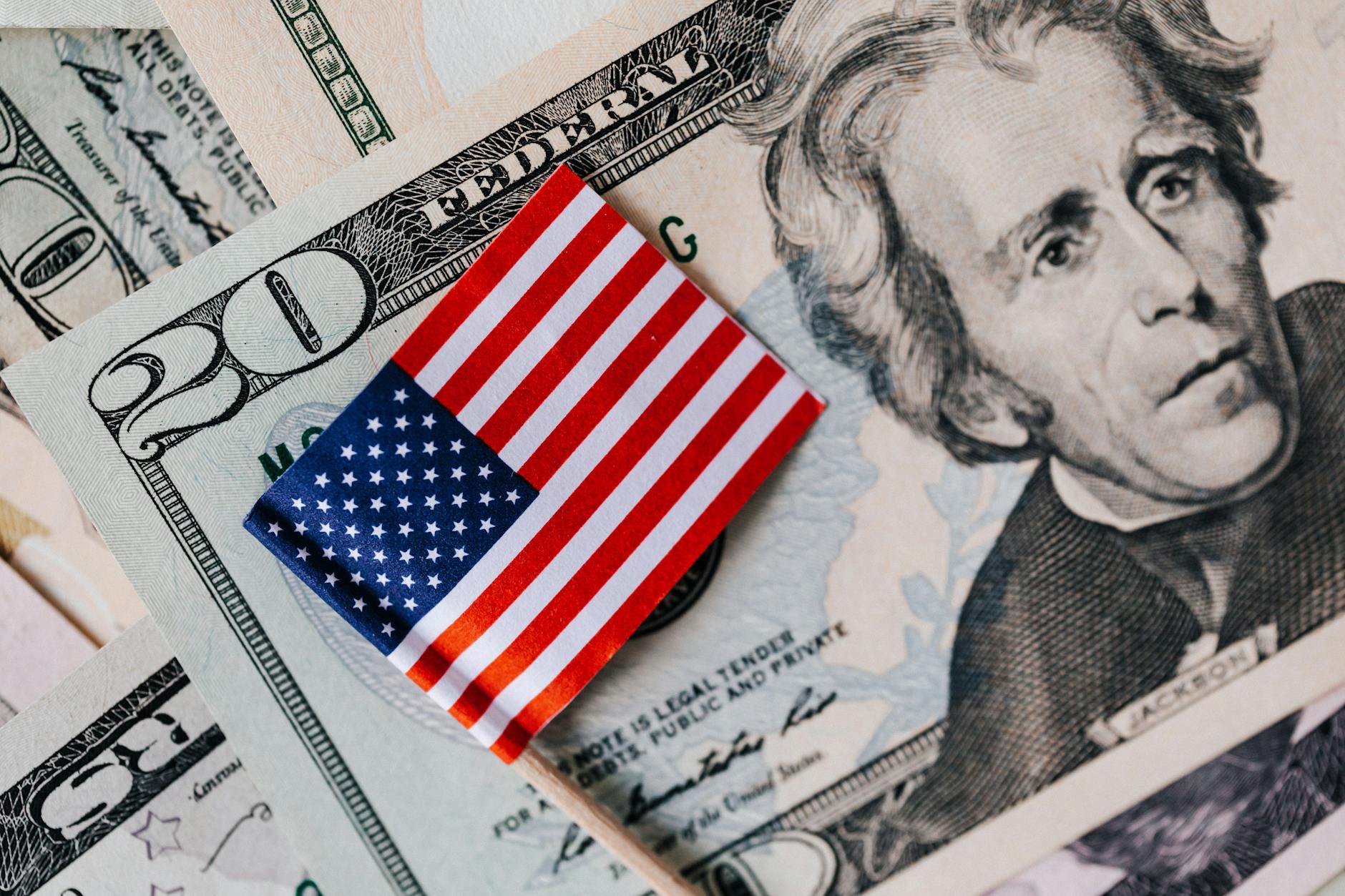
India Prioritises National Interest Over US Trade Deal
3h ago

India Prioritizes National Interest Over US Trade Deal
3h ago
IMF Projects India as Fastest-Growing Major Economy
11h ago
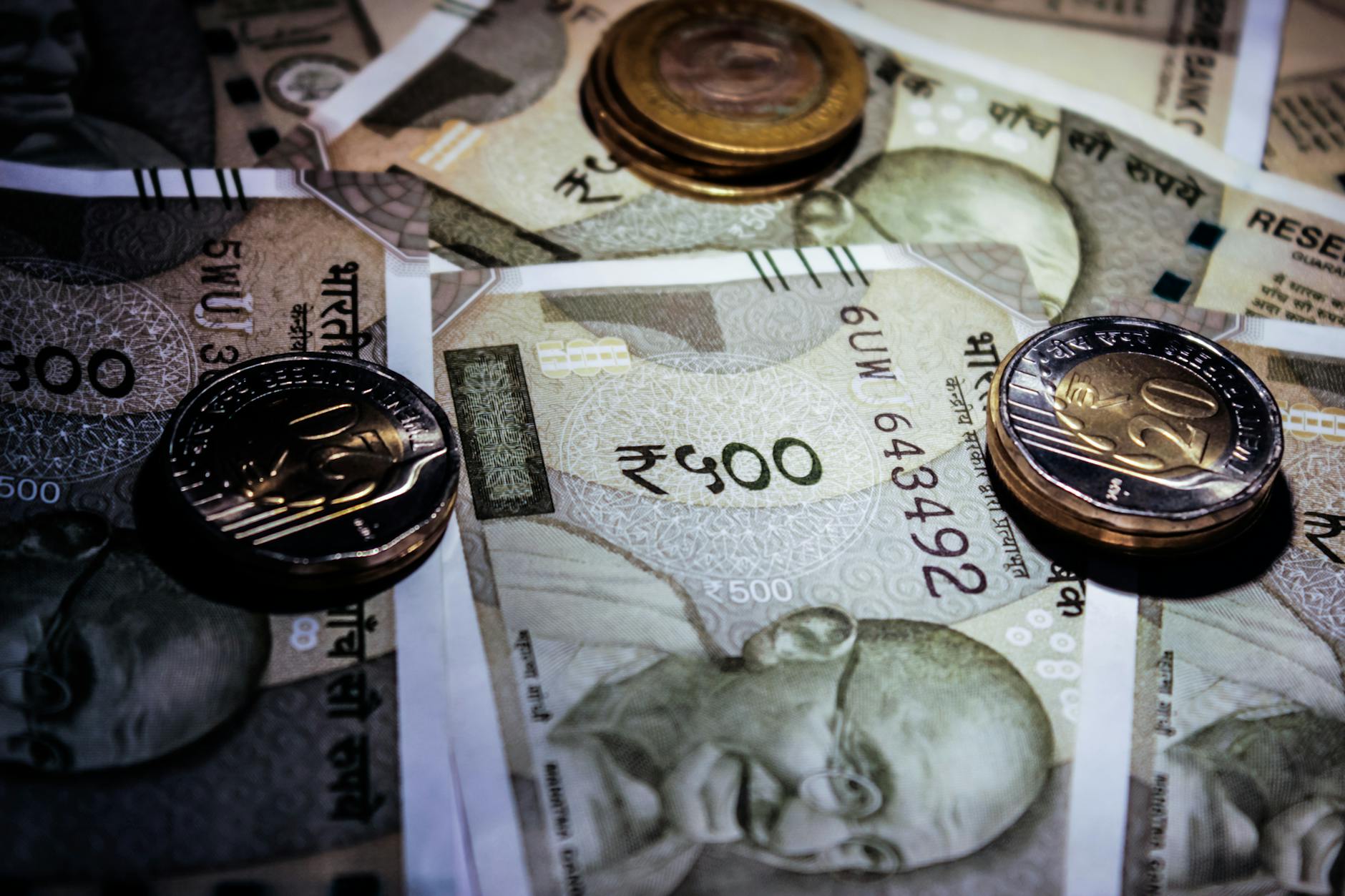
IMF Projects India as Fastest-Growing Major Economy
11h ago