
India Prioritises Economic Sovereignty Over US Trade Deal
India's rejection of the US trade deal reflects national interests.
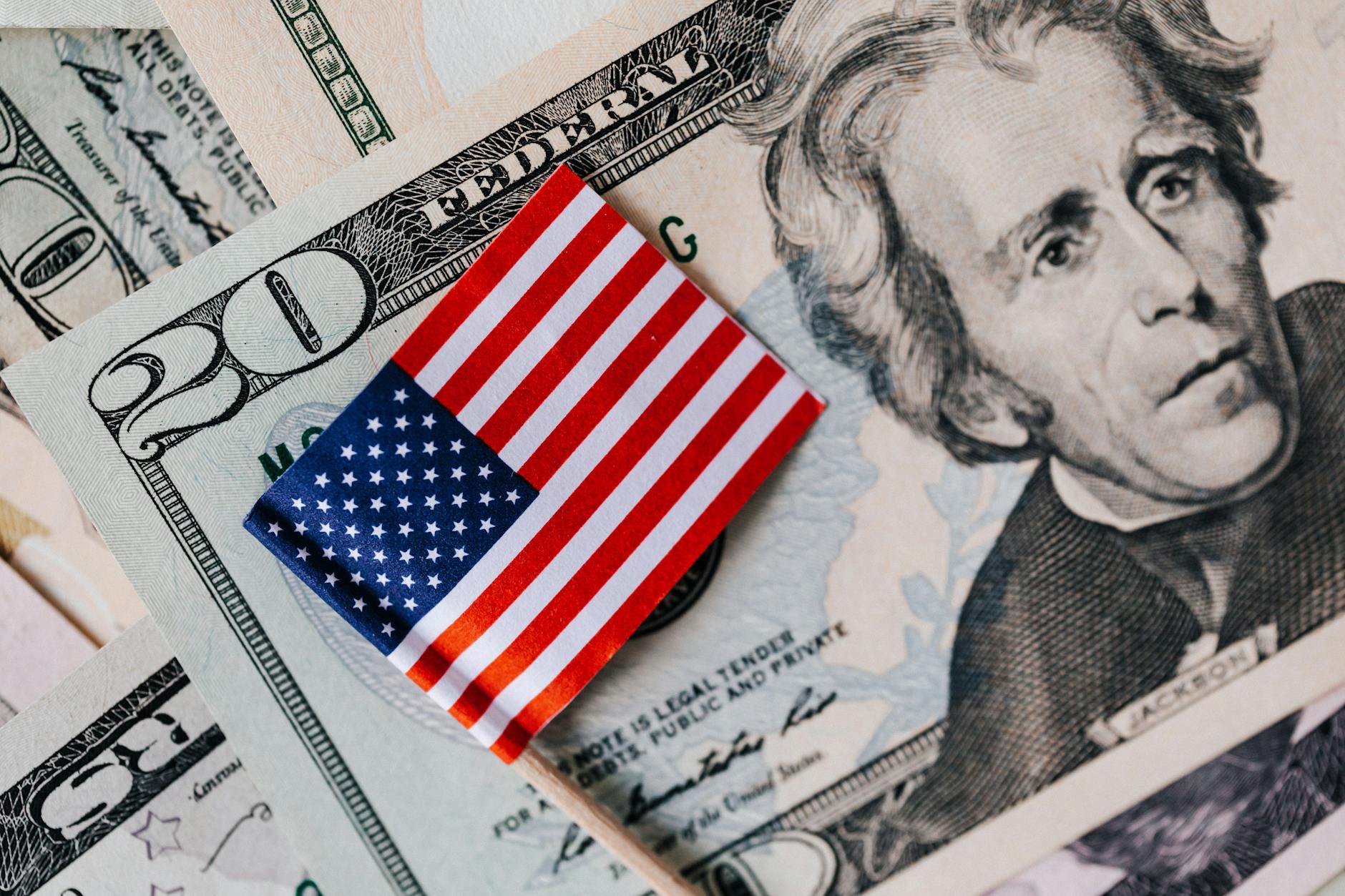
In a significant move, India has decided to reject a rushed trade agreement with the United States. This decision prioritises national interests over external pressures and comes amid ongoing discussions about trade relations between the two nations. India has expressed concerns regarding various aspects of the proposed deal, particularly its impact on local industries and farmers.
The Indian government has articulated its apprehensions regarding the terms of the trade deal. Some officials believe it could adversely affect local industries and farmers. Key stakeholders in the Indian economy have voiced their reservations, emphasising the need for a more balanced approach that safeguards domestic interests. Local industries have raised alarms about the potential influx of cheaper imports from the US, which could undermine their competitive edge. Sectors such as textiles, agriculture, and manufacturing have been particularly vocal, highlighting fears that the trade deal could lead to job losses and reduced market share.
Indian farmers have also expressed strong opposition to the trade deal, fearing that it may lead to the dismantling of protective tariffs that currently shield them from international competition. The agricultural sector, which employs a significant portion of the Indian workforce, remains wary of any agreement that could jeopardise their livelihoods.
The Indian government has reiterated its commitment to protecting national interests in trade negotiations. Officials have stated that any agreement must be mutually beneficial and should not compromise the welfare of Indian citizens. This stance reflects a broader strategy aimed at fostering sustainable economic growth while ensuring that domestic sectors remain robust.
While the rejection of the trade deal signals a cautious approach, it does not imply a complete halt in negotiations. Both nations are expected to continue discussions to find common ground that respects India's economic priorities. The US has been a significant trading partner for India, and both countries recognise the importance of maintaining a strong economic relationship.
Experts believe that future negotiations could focus on specific sectors where both countries can benefit, such as technology and services. By identifying areas of mutual interest, India and the US may pave the way for a more comprehensive trade agreement that aligns with India's economic goals. India's decision to reject the rushed trade deal with the US highlights the nation's prioritisation of its economic sovereignty. As global trade dynamics evolve, India remains steadfast in its commitment to protect its industries and farmers while seeking beneficial partnerships that foster growth and development. Based on reports from Google News — Indian Economy.
Frequently asked
Why did India reject the US trade deal?+
India rejected the deal to protect local industries and farmers from potential negative impacts.
What sectors might be affected by this decision?+
Sectors like agriculture, textiles, and manufacturing may experience impacts due to the rejection of the trade deal.
Based on reports from Google News — Indian Economy.
More in Economy
View all →
India Prioritizes National Interest Over US Trade Deal
3h ago

India Prioritises National Interest Over US Trade Deal
3h ago

India Prioritizes National Interest Over US Trade Deal
3h ago

India Prioritizes National Interest Over US Trade Deal
3h ago
IMF Projects India as Fastest-Growing Major Economy
11h ago

IMF Projects India as Fastest-Growing Major Economy
11h ago