
World Bank Invests ₹7,400 Crore in India's Solar Initiative
A significant boost for India's renewable energy sector and private investments.
Advertisement
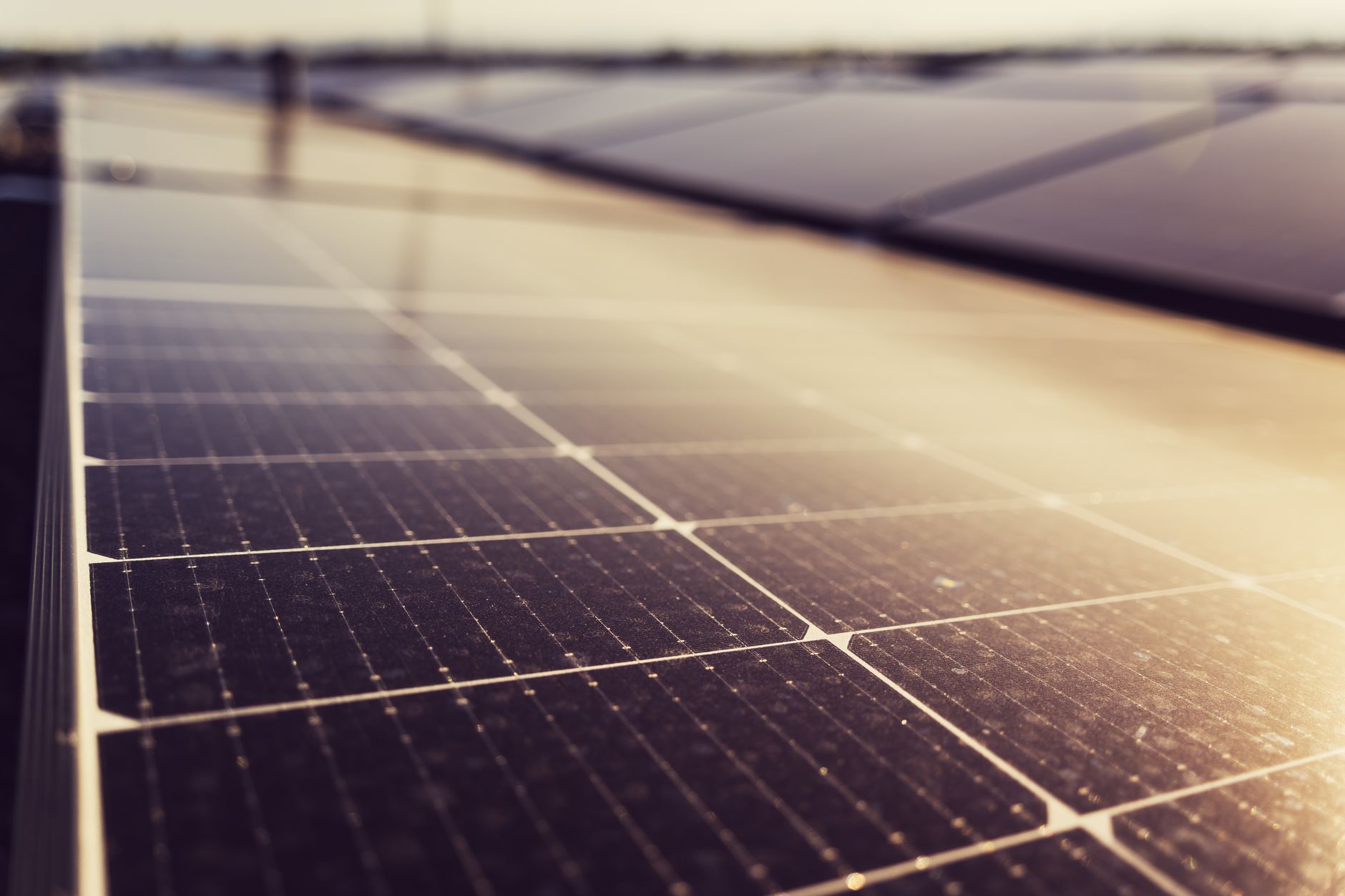
The World Bank has made a significant commitment by approving funding of $890 million, approximately ₹7,400 crore, for India's rooftop solar programme. This initiative is poised to mobilise an impressive $4.2 billion in private sector financing, significantly enhancing India's renewable energy landscape. The rooftop solar programme aims to boost solar energy generation capacity throughout the country. By facilitating the installation of solar panels on both residential and commercial rooftops, the initiative strives to reduce reliance on fossil fuels while promoting sustainable energy sources.
The programme has several key objectives. It aims to increase solar energy capacity in India, encourage private investments in renewable energy, create job opportunities in the green energy sector, and reduce carbon emissions to combat climate change. India's ambitious targets for renewable energy generation include achieving 500 GW of non-fossil fuel-based capacity by 2030. The World Bank's investment will play a crucial role in reaching these targets, making this funding timely and essential for India's energy transition.
A significant aspect of the programme is its design to attract private sector participation. By mobilising $4.2 billion in private financing, the World Bank seeks to establish a robust framework that encourages businesses to invest in solar energy projects. This influx of capital is expected to accelerate the deployment of rooftop solar systems across the nation.
While the initiative presents numerous growth opportunities, it also faces challenges. Regulatory hurdles, financing barriers, and public awareness about solar energy must be effectively addressed. The collaboration between the government, private sector, and international financial institutions like the World Bank will be pivotal in overcoming these challenges.
Overall, the rooftop solar programme not only aims to enhance energy security in India but also contributes to the country's commitment to reducing greenhouse gas emissions. As India continues to invest in renewable energy, initiatives like these will be crucial in shaping a sustainable and resilient energy future. Based on reports from Google News — Banking India.
Advertisement
Frequently asked
How does this funding affect solar energy in India?+
It will boost solar energy projects and attract more private investments.
What are the goals of the rooftop solar programme?+
The goals include increasing solar capacity, reducing emissions, and creating jobs.
Based on reports from Google News — Banking India.
More in Banking
View all →
HDFC Bank, ICICI Bank Earnings and CPI Data in Focus Next Week
3h ago

Earnings Focus: HDFC Bank, ICICI Bank, HCL Tech, CPI Data
3h ago

Earnings Week: HDFC Bank, ICICI Bank, HCL Tech Reports
3h ago

Key Earnings Reports from HDFC Bank and ICICI Bank This Week
3h ago
Earnings Focus on HDFC Bank, ICICI Bank, and HCL Tech Next Week
3h ago

Bank Holiday Today: SBI, HDFC Bank, ICICI Bank Status on July 11
5h ago
Advertisement