
Vikram-1 Launch Signals Growth for Indian Space Startups
A milestone in India's space exploration and innovation journey.
BULLISH· HIGH
Advertisement
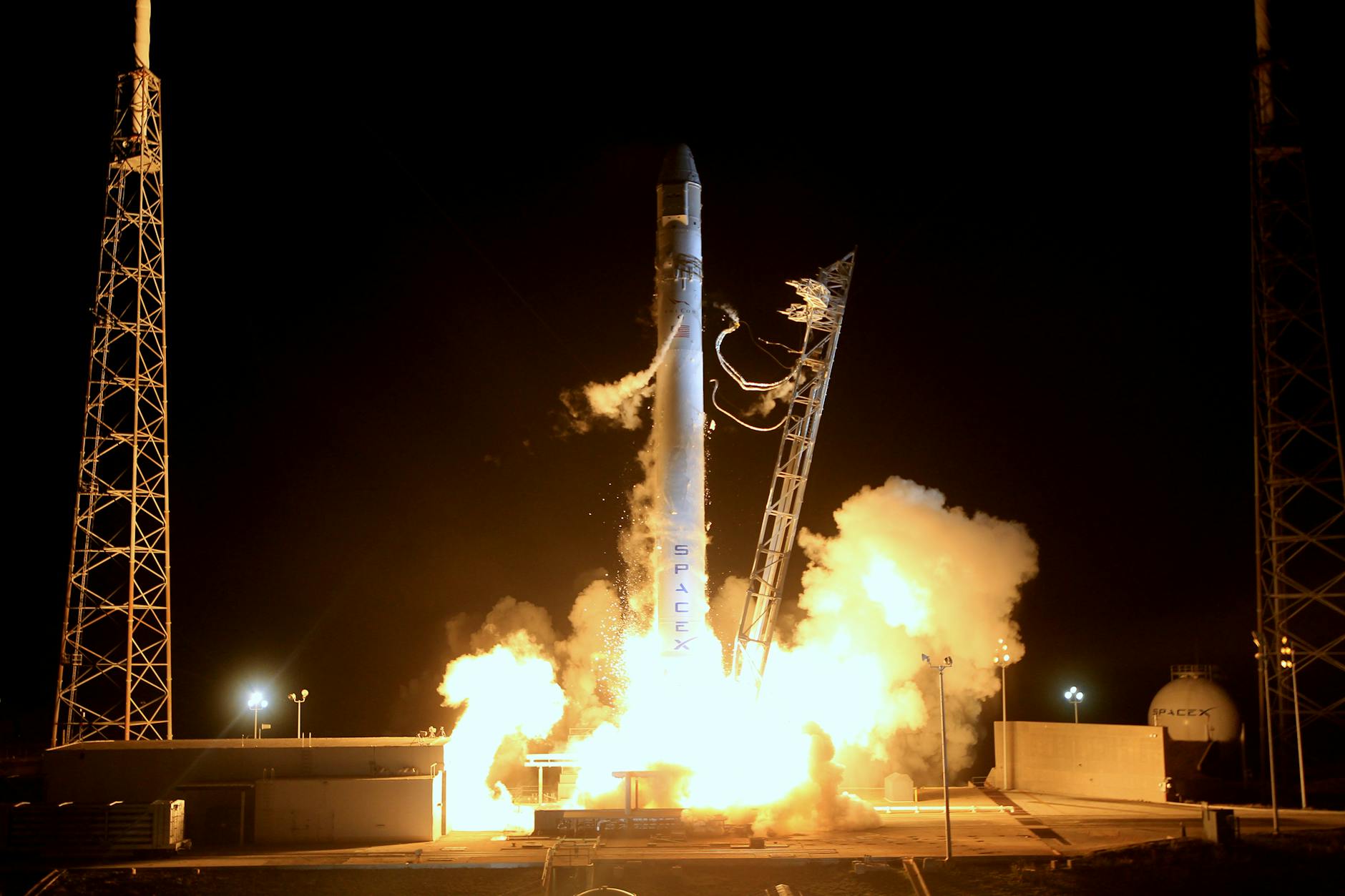
The recent launch of the Vikram-1 rocket marks a significant milestone in India's space exploration journey. This event highlights the capabilities of Indian startups, setting the stage for a new era of innovation in the country's growing space sector. The Vikram-1 rocket, developed by Agnikul Cosmos, showcases the increasing potential of Indian startups in the aerospace domain. This launch is not merely a technical achievement but a strong indication of India's ambition to become a major player in the global space market.
India's space ecosystem has been evolving steadily, with substantial investments and advancements in technology. The government's encouragement of private sector participation has fostered an environment ripe for innovation. The Vikram-1 launch exemplifies this collaborative spirit, illustrating how private companies can contribute significantly to national goals. With a payload capacity of up to 100 kilograms, Vikram-1 is tailored for small satellite launches, catering to the rising demand for satellite deployment in various sectors such as telecommunications and earth observation.
Despite the optimism surrounding the Vikram-1 launch, challenges persist. The competition from established players in the space industry remains fierce, and Indian startups must continue to innovate to stay competitive. Furthermore, the regulatory landscape will be crucial in determining the success of these ventures. However, the future of India's space startups appears promising. With ongoing government support and increasing private investment, the industry is set to grow exponentially.
The success of Vikram-1 could pave the way for more ambitious projects, including interplanetary missions and larger payload launches. As the ecosystem matures, India is poised to emerge as a key player in the global space market, paralleling the revolutionary path paved by companies like SpaceX. This launch not only symbolizes India's entry into a new era of aerospace innovation but also reflects the growing confidence in the capabilities of Indian startups.
Based on reports from Google News — Indian Startups.
Market Impact
BULLISHThe Vikram-1 launch could boost investor confidence in Indian startups and the space sector.
- →Increased investment in the Indian space industry is likely.
- →Potential for new partnerships between startups and government agencies.
- →Growth in related sectors such as telecommunications and technology.
Sectors:AerospaceTechnology
Horizon: long term
What to Watch Next 👀
Investors should monitor upcoming government policies and further launches that could impact the space sector.
Advertisement
Frequently asked
What is the significance of the Vikram-1 launch?+
The Vikram-1 launch is significant as it demonstrates India's growing capabilities in the aerospace sector and encourages private investment.
How does this launch affect Indian startups?+
This launch boosts confidence in Indian startups and may lead to more investment and innovation in the space industry.
Based on reports from Google News — Indian Startups.
More in Startups
View all →
Weekly Funding Update: VC Investments Remain Steady
7h ago

Weekly Funding Update: VC Investment Stays Steady
7h ago

Weekly Funding Update: VC Investment Stagnates in July
7h ago

Weekly Funding Update: VC Investment Remains Steady
7h ago

Weekly Funding Update July 4-10: VC Investment Stays Flat
7h ago

Centre Invites States to Co-Invest in ₹10,000-Crore Fund
22h ago
Advertisement