
Vikram-1 Launch Signals Growth in India's Space Sector
Agnikul Cosmos' success opens doors for space startups.
BULLISH· HIGH
Advertisement
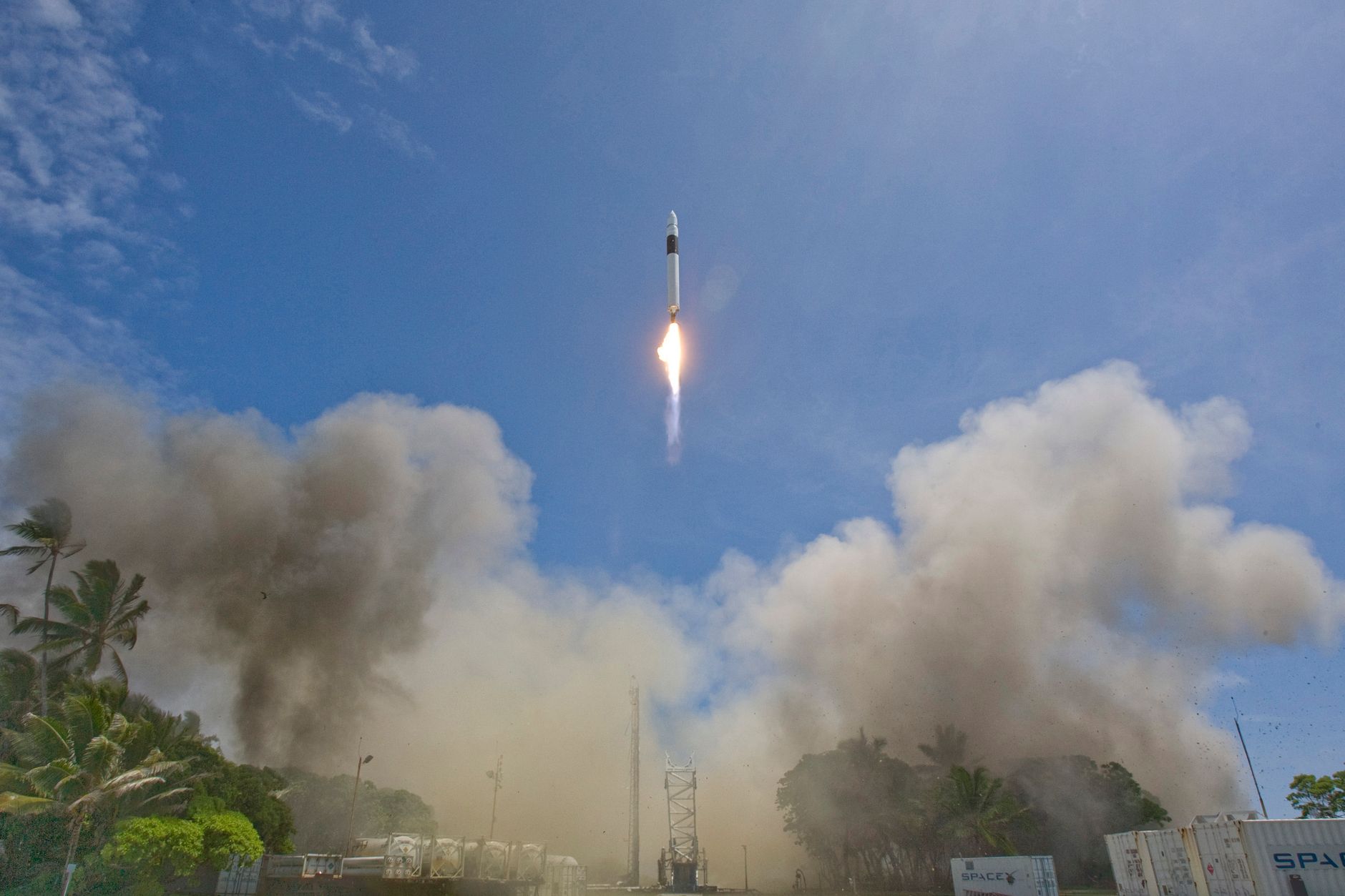
The recent launch of Vikram-1 by Agnikul Cosmos is a landmark achievement for India's growing space sector. This event showcases the capabilities of Indian startups and highlights a significant shift towards commercial space exploration. Vikram-1, designed to deliver small satellites into orbit, is a crucial step in India's ambition to be a leader in the global space industry.
On November 18, 2023, Agnikul Cosmos successfully launched its Vikram-1 rocket from the Satish Dhawan Space Centre in Sriharikota. This launch is particularly noteworthy as it marks the first time a privately developed rocket has been launched from an Indian spaceport. The Vikram-1 is capable of carrying payloads of up to 100 kilograms to low Earth orbit and is designed for flexibility and rapid deployment, making it a competitive option in the market.
The successful launch of Vikram-1 is a testament to the growing capabilities of Indian startups in the aerospace sector. It demonstrates the potential for innovation and the ability to compete on a global scale. This event is expected to act as a catalyst for further investment in the Indian space ecosystem, encouraging more startups to enter the market and develop their technologies.
The Indian space startup landscape is evolving rapidly, with numerous companies emerging to challenge traditional aerospace norms. Government initiatives, such as the Indian National Space Promotion and Authorization Center (IN-SPACe), have played a crucial role in fostering an environment conducive to innovation. This regulatory framework aims to facilitate private participation in space activities, paving the way for startups to thrive.
Key players in the industry include Skyroot Aerospace, Agnikul Cosmos, and Pixxel, which are making significant strides in the Indian space sector. These companies are not only contributing to the domestic space industry but are also positioning themselves for international collaborations. Skyroot Aerospace has developed the Vikram series of rockets, while Pixxel focuses on satellite imaging and data analytics.
The successful launch of Vikram-1 marks the beginning of a new chapter in India's space exploration journey. With more startups emerging and technology advancing, India is poised to become a hub for space innovation. The potential for collaboration between private companies and government agencies is immense, leading to groundbreaking advancements in satellite technology, space travel, and beyond.
Investors are increasingly recognizing the potential of the Indian space sector. With government support and a growing number of successful launches, investment opportunities are expanding. Venture capital firms and angel investors are keen to fund innovative startups that can contribute to India's space ambitions. This influx of capital is expected to accelerate the development of new technologies and services.
In conclusion, the launch of Vikram-1 marks a pivotal moment for India's space sector, showcasing the capabilities of Indian startups and setting the stage for future innovations. As the landscape continues to evolve, it is clear that India's space ambitions are becoming a reality, and the potential for growth in this sector is vast. The future of space exploration in India looks promising, with startups leading the charge towards new frontiers. Based on reports from Google News — Indian Startups.
Market Impact
BULLISHThe launch boosts investor confidence in India's space sector, attracting more funding.
- →Increased investment in Indian space startups is likely.
- →Potential for more successful launches can enhance market sentiment.
- →Growth in the space sector may lead to job creation and technological advancements.
Sectors:AerospaceTechnology
Horizon: long term
What to Watch Next 👀
Monitor upcoming launches and government policies that could impact the space sector.
Advertisement
Frequently asked
What is Vikram-1?+
Vikram-1 is a rocket developed by Agnikul Cosmos to launch small satellites into orbit.
How does this affect investors?+
The launch indicates growth in the space sector, attracting potential investments.
Based on reports from Google News — Indian Startups.
More in Startups
View all →
Weekly Funding Update: VC Investments Remain Steady
7h ago

Weekly Funding Update: VC Investment Stays Steady
7h ago

Weekly Funding Update: VC Investment Stagnates in July
7h ago

Weekly Funding Update: VC Investment Remains Steady
7h ago

Weekly Funding Update July 4-10: VC Investment Stays Flat
7h ago

Centre Invites States to Co-Invest in ₹10,000-Crore Fund
22h ago
Advertisement