
India's GDP Growth Insights: Key Components and Future Outlook
Explore the factors driving India's GDP and its growth potential.
BULLISH· HIGH
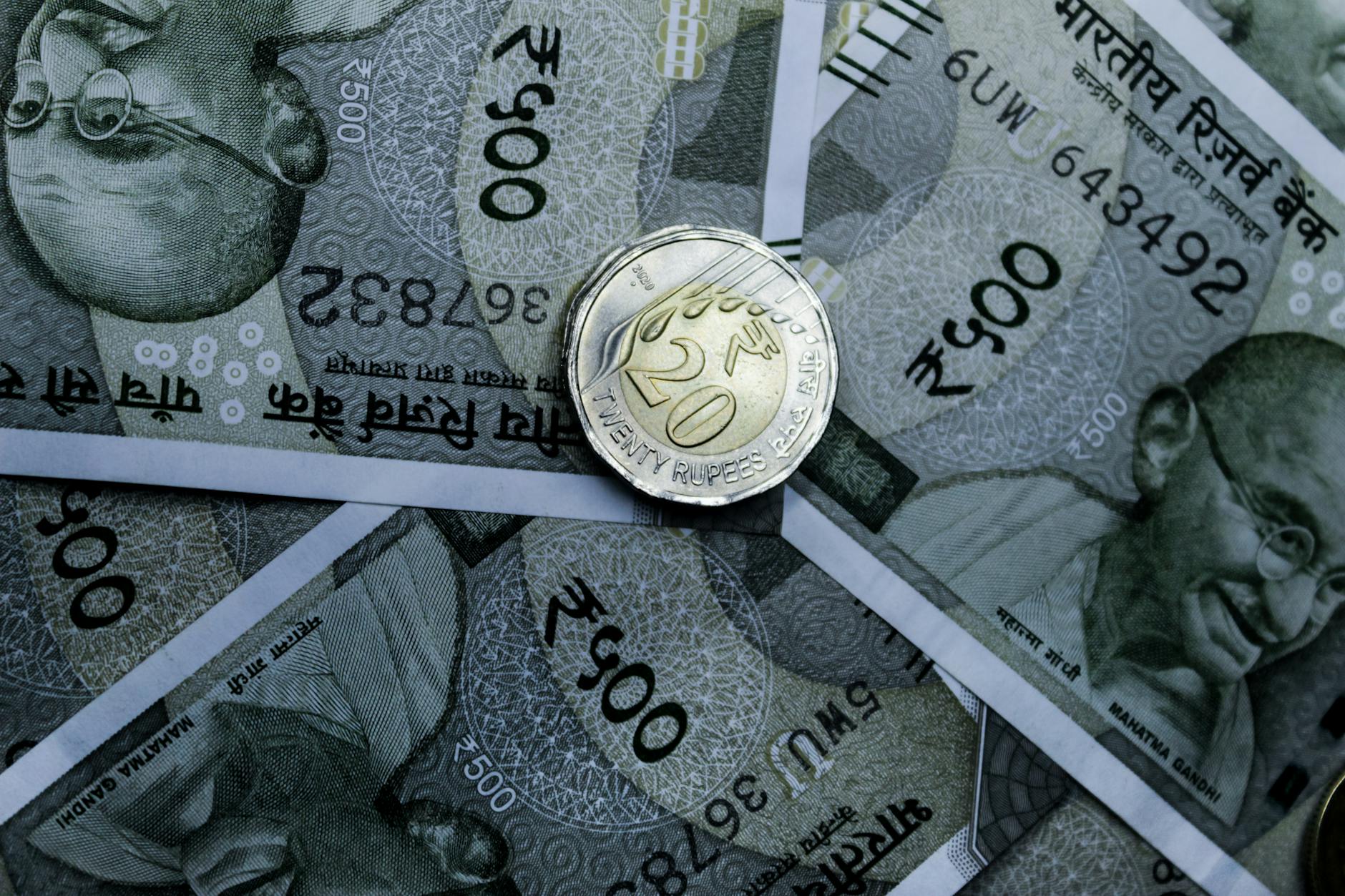
India's Gross Domestic Product (GDP) is a vital measure of the nation's economic health. It reflects the total value of goods and services produced over a specific period. Understanding how India's GDP is calculated and the factors influencing its growth is essential for grasping the broader economic landscape.
India's GDP comprises four main components: consumption, investment, government spending, and net exports. Each of these elements plays a crucial role in determining overall economic performance. Consumption is the largest component, accounting for around 60% of the GDP. Household spending on goods and services drives this segment, with significant contributions from sectors such as retail, housing, and healthcare.
Investment contributes approximately 30% to India's GDP. Business investments in infrastructure, machinery, and technology are crucial for enhancing productivity and fostering economic growth. Government expenditure, making up about 10% of GDP, includes public services, infrastructure projects, and social welfare programs aimed at boosting economic activity. Net exports, representing the difference between exports and imports, have a smaller impact on India's GDP. However, a growing export sector can enhance economic growth, especially in industries like information technology and pharmaceuticals.
In recent years, India's GDP has experienced notable fluctuations due to various factors, including global economic conditions and domestic policies. The COVID-19 pandemic had a profound impact, leading to a contraction in GDP in the fiscal year 2020-21. The government implemented several measures to revive the economy, including fiscal stimulus packages and reforms aimed at attracting foreign investment.
As the economy began to recover, India's GDP growth rebounded sharply in the subsequent fiscal year. The International Monetary Fund (IMF) projected a growth rate of 9.5% for India in 2021-22, driven by a resurgence in consumption and investment. As of the latest data, India's GDP stands at approximately ₹150 lakh crore, making it the fifth-largest economy in the world. The economic outlook remains positive, with a focus on infrastructure development and digital transformation expected to drive future growth.
Understanding the intricacies of India's GDP is vital for stakeholders, including policymakers, investors, and businesses. By monitoring the key components and recent changes, one can gain valuable insights into the economic trajectory of India. Based on reports from Google News — Indian Economy.
Impact analysis
BULLISHIndia's GDP growth indicates a recovering economy, likely boosting market sentiment.
- →Strong GDP growth may attract more foreign investments.
- →Increased consumption and investment can lead to higher corporate earnings.
- →Positive economic indicators may strengthen the Indian rupee.
Stocks:RELIANCETCS
Sectors:BFSIIT
Horizon: long term
What to watch next
Monitor upcoming economic data releases and government policies that could impact growth.
Frequently asked
What is GDP and why is it important?+
GDP measures a country's economic performance and influences investment decisions.
How does COVID-19 impact India's GDP?+
The pandemic caused a contraction, but recovery trends are now positive.
Based on reports from Google News — Indian Economy.
More in Economy
View all →
Impact of US-Iran War on India's Economy and Stability
10h ago
India's Economic Stability at Risk Amid US-Iran Tensions
10h ago
India Faces Economic Challenges Amid Ongoing US-Iran Conflict
10h ago

Impact of US-Iran War on India's Economic Stability
10h ago
India Faces Economic Crisis Amid US-Iran Tensions
10h ago

India Emerges as a Solar Superpower with Skilled Workforce
22h ago