
AI and Data Architecture Reshape Future of Security Operations Centers
Innovation in SOCs enhances threat response and data management.
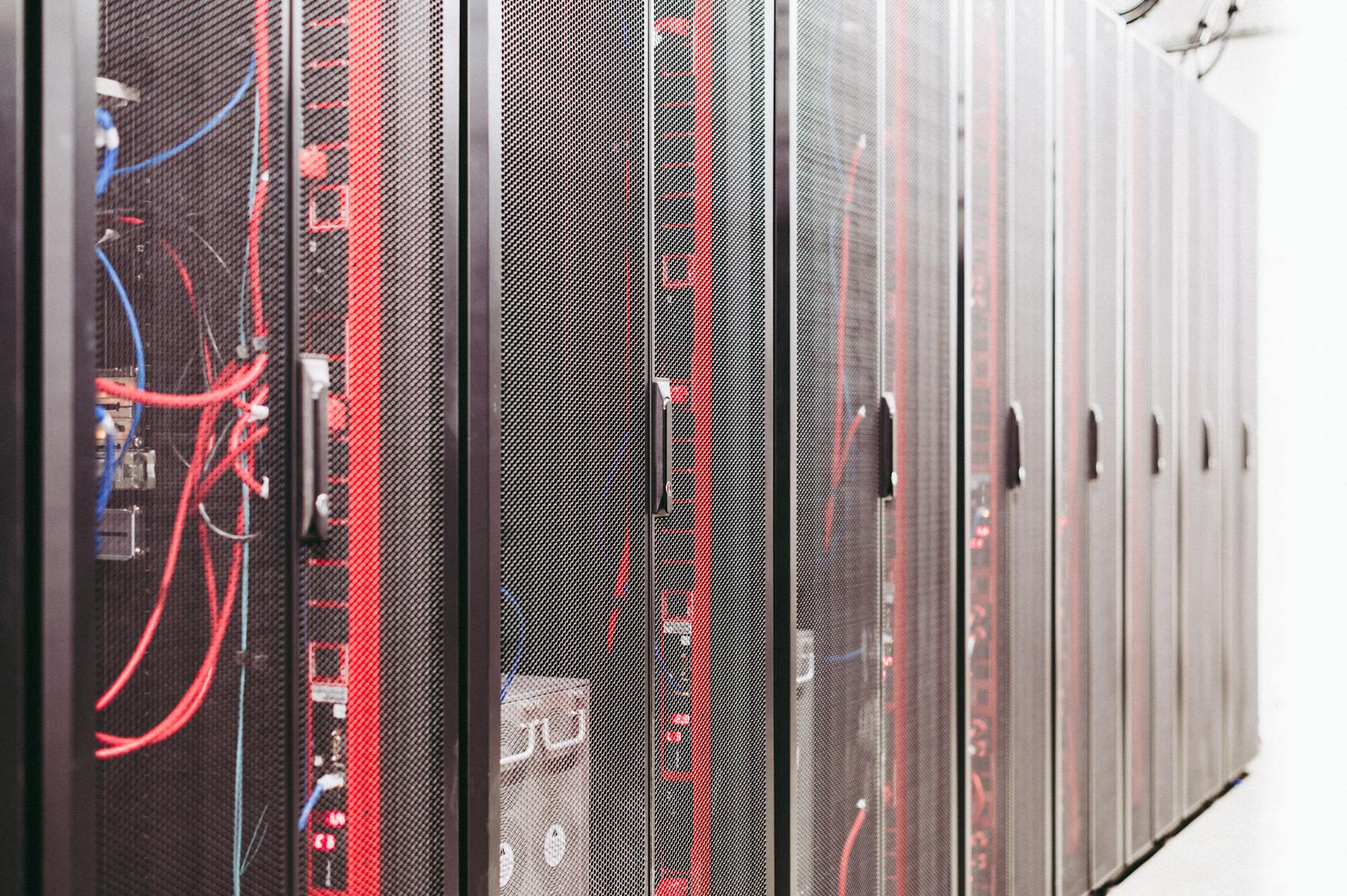
As cyber threats continue to evolve, Security Operations Centers (SOCs) must adapt to meet these challenges effectively. Traditional SOCs primarily rely on alerts to identify threats, which are increasingly becoming inadequate. The future of SOCs hinges on integrating robust data architecture, specialized artificial intelligence (AI), and autonomous investigation capabilities.
Data architecture serves as the backbone of an effective SOC. It encompasses the design, structure, and management of data flows within an organization. A well-structured data architecture enables SOC teams to efficiently collect, analyze, and respond to security incidents. Organizations must focus on centralized data repositories, real-time data processing, and data normalization to strengthen data management. Centralizing data allows for easier access and analysis, facilitating quicker response times. Real-time processing ensures SOC teams can respond to threats as they occur, while standardizing data formats improves the ability to correlate and analyze security events across different systems.
Artificial intelligence is transforming how SOCs operate. Specialized AI tools enhance threat detection and response capabilities, allowing teams to focus on critical incidents rather than sifting through countless alerts. AI technologies can analyze vast amounts of data to identify patterns and anomalies that may indicate a security breach. Key benefits include increased accuracy, predictive analytics, and automated responses. AI algorithms reduce false positives, enabling SOC analysts to concentrate on genuine threats, while predictive analytics forecast potential threats based on historical data.
Autonomous investigation is another critical aspect of the future SOC. By leveraging AI and machine learning, organizations can automate the investigation process, which traditionally requires significant human intervention. Implementing autonomous investigation offers various advantages, including efficiency, consistency, and resource optimization. Automated investigations can quickly analyze incidents, providing timely insights and reducing response times. Machines execute investigations consistently, following predetermined protocols without human error, allowing SOC teams to allocate their resources to more complex and high-priority incidents.
In conclusion, the future of Security Operations Centers depends on the successful integration of data architecture, specialized AI, and autonomous investigation capabilities. Organizations that embrace these advancements will be better equipped to handle the ever-evolving landscape of cyber threats and protect their digital assets. Based on reports from Google News — Indian Startups.
Frequently asked
What is a Security Operations Center?+
A SOC is a facility that monitors and protects an organization's security.
How does AI improve cybersecurity?+
AI helps analyze data quickly and accurately, identifying threats more effectively.
Based on reports from Google News — Indian Startups.
More in Startups
View all →
Evolution of Startup Founders in India: New Trends Emerging
3h ago

India's Evolving Startup Founder Profile in 2023
3h ago

Changing Archetype of Startup Founders in India
3h ago

Changing Landscape of Startup Founders in India
3h ago

Evolving Archetypes of Startup Founders in India
3h ago

EyeROV: AI Underwater Robots for Coral Conservation
4h ago