
Sensex, Nifty Fall as Banking Stocks Weaken
Indian benchmark indices Sensex and Nifty retreated as banking stocks came under selling pressure, signalling renewed caution in the equity markets.
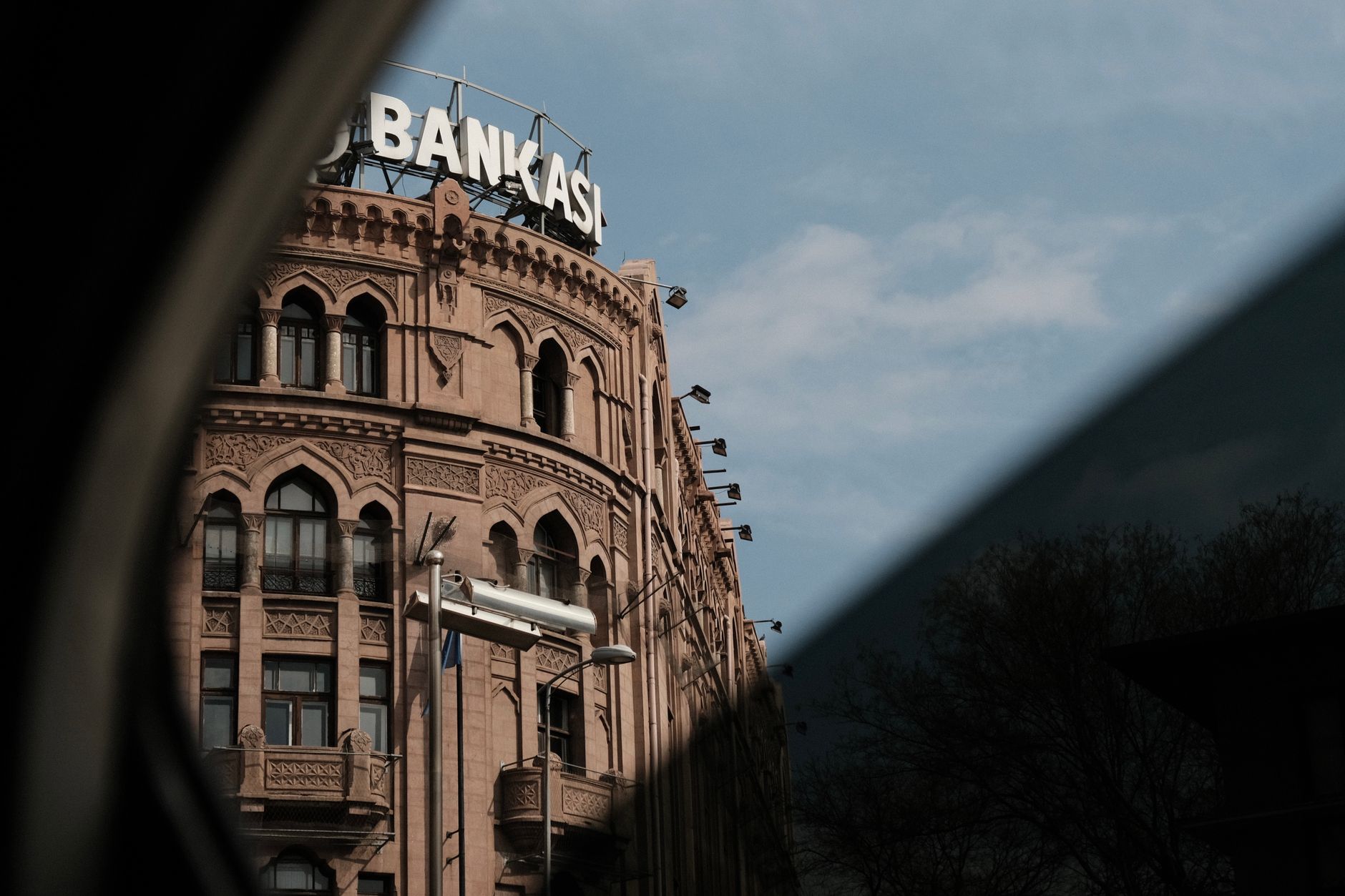
Banking Weakness Drags Down Broader Market
The Sensex and Nifty 50 indices slipped into negative territory as banking stocks faced sustained selling pressure, reflecting investor concerns over sector fundamentals and broader macroeconomic headwinds. The decline in banking shares—traditionally a heavyweight in Indian equity benchmarks—pulled the overall market sentiment lower, with domestic institutional investors and foreign portfolio investors reassessing their positions.
Banking stocks have historically been a barometer of market health in India, given their significant weightage in both the Sensex and Nifty indices. When these large-cap financials underperform, it often signals a broader loss of confidence across the equity space. The recent weakness underscores growing caution among market participants navigating an uncertain economic landscape.
What Triggered the Banking Selloff
Several factors converged to weigh on banking stocks. Rising deposit costs, margin compression concerns, and the regulatory environment around credit growth have kept investors on edge. Additionally, fears over asset quality deterioration in certain segments—particularly retail and mid-market lending—have prompted profit-taking from recent highs.
The banking sector has also been sensitive to expectations around interest rate movements. With inflation remaining a concern and the central bank's monetary policy trajectory uncertain, lenders face pressure on net interest margins (NIMs). This has made banking stocks vulnerable to any negative surprise on profitability or credit growth.
Benchmark Index Performance
Both the BSE Sensex and NSE Nifty 50 recorded losses as the banking decline spread to other sectors. The broader market breadth deteriorated, with more stocks declining than advancing. This suggests that the weakness is not confined to a single stock or sector but reflects a more generalised pullback in investor appetite.
Large-cap banking names, which form the backbone of these indices, bore the brunt of the selling. Private sector banks faced pressure alongside their public sector counterparts, indicating that the weakness cuts across ownership structures. The pullback also reflects the market's increased sensitivity to quarterly earnings reports and forward guidance from banking management.
Investor Sentiment and Market Outlook
The decline in equity indices amid banking sector weakness highlights the fragile nature of current market confidence. While India's economy continues to expand at a solid pace, investors remain concerned about near-term profitability pressures in the financial sector. Foreign portfolio inflows, which had supported the market for much of the year, have also shown signs of moderation.
Market analysts have attributed some of the caution to pre-earnings jitters, with quarterly results from major banks expected in the coming weeks. Investors are keenly awaiting management commentary on credit growth, deposit mobilisation costs, and provisions for potential loan losses. Any weakness in these metrics could intensify selling pressure on banking stocks.
The sectoral rotation away from banking and towards other segments—such as technology, pharmaceuticals, and consumer discretionary—reflects a strategic shift by portfolio managers seeking better risk-adjusted returns. However, the heavy weighting of banking in Indian indices means that a sustained decline in this sector can materially impact broader market performance.
Broader Economic Context
The banking sector's current challenges must be viewed within the wider economic context. While India's GDP growth remains resilient, high interest rates have impacted credit demand, and tighter monetary conditions have squeezed margins. The banking sector's health is intrinsically linked to overall economic momentum, and weakness here could signal caution about growth prospects ahead.
Additionally, the competitive landscape in Indian banking—with new entrants and digital disruptors—has intensified pressure on traditional lenders to maintain market share while managing costs. This structural challenge, combined with cyclical pressures from rate movements, makes the sector particularly vulnerable to market headwinds.
Looking ahead, market participants will closely monitor banking stocks for signs of stabilisation. A sustained recovery would likely support the broader indices, while further weakness could trigger additional selling across equities. Investors should watch quarterly earnings, deposit growth trends, and any policy announcements from the Reserve Bank of India for clues about the sector's trajectory.
Frequently asked
Why do banking stocks have such a large impact on the Sensex and Nifty?+
Banking stocks make up a significant portion of the weightage in both Sensex and Nifty 50 indices. When banking shares decline, they directly pull down the benchmark indices proportionally. This is why banking sector weakness often translates to broad market weakness.
What are the main concerns facing Indian banks right now?+
Key concerns include rising deposit costs, margin compression, uncertainty around interest rate movements, potential asset quality deterioration, and increased competition from digital disruptors. These factors weigh on profitability expectations.
How does RBI's monetary policy affect banking stocks?+
Higher interest rates squeeze net interest margins (NIMs)—the difference between lending and deposit rates—reducing bank profitability. Conversely, rate cuts can improve margins. Banks are highly sensitive to RBI policy direction and market expectations.
Should investors be concerned about a banking sector crash?+
While sector weakness is a valid concern, a crash depends on earnings deterioration and systemic issues. Most Indian banks remain well-capitalised and profitable. Monitor quarterly results, deposit growth, and credit quality metrics for clarity.
Which banking stocks are most affected by recent weakness?+
Both private and public sector banks have faced selling pressure. Large-cap banking names with higher index weightage—like HDFC Bank, ICICI Bank, and State Bank of India—typically see the largest moves during sectoral weakness.
Based on reports from Google News — Banking India.
More in Banking
View all →
IndusInd Bank Reports Increased Quarterly Profit Amid Lower Provisions

IndusInd Bank Reports Increase in Quarterly Profit
IndusInd Bank Reports Increased Profit Amid Lower Provisions

IndusInd Bank Reports Increased Quarterly Profit Amid Lower Provisions

IndusInd Bank Reports Increased Quarterly Profit Amid Lower Provisions
