
India's Rural Economy Sees 30% Growth with Modern Farming Techniques
Rural transformation boosts agricultural productivity and incomes significantly.
BULLISH· HIGH
Advertisement
India's rural economy is experiencing a major transformation, marked by a reduced dependence on monsoons for agricultural productivity. With advancements in irrigation techniques and evolving farming practices, the agricultural landscape is becoming more resilient to erratic weather patterns. Farmers are increasingly adopting modern irrigation methods, moving away from traditional practices that relied heavily on seasonal rains. Technologies like drip and sprinkler irrigation are gaining popularity, allowing for year-round cultivation.
The Indian government plays a vital role in promoting these irrigation technologies. Various schemes, such as the Pradhan Mantri Krishi Sinchai Yojana (PMKSY), aim to enhance irrigation coverage nationwide. As of 2022, the government has invested over ₹50,000 crore in irrigation projects, benefiting millions of farmers.
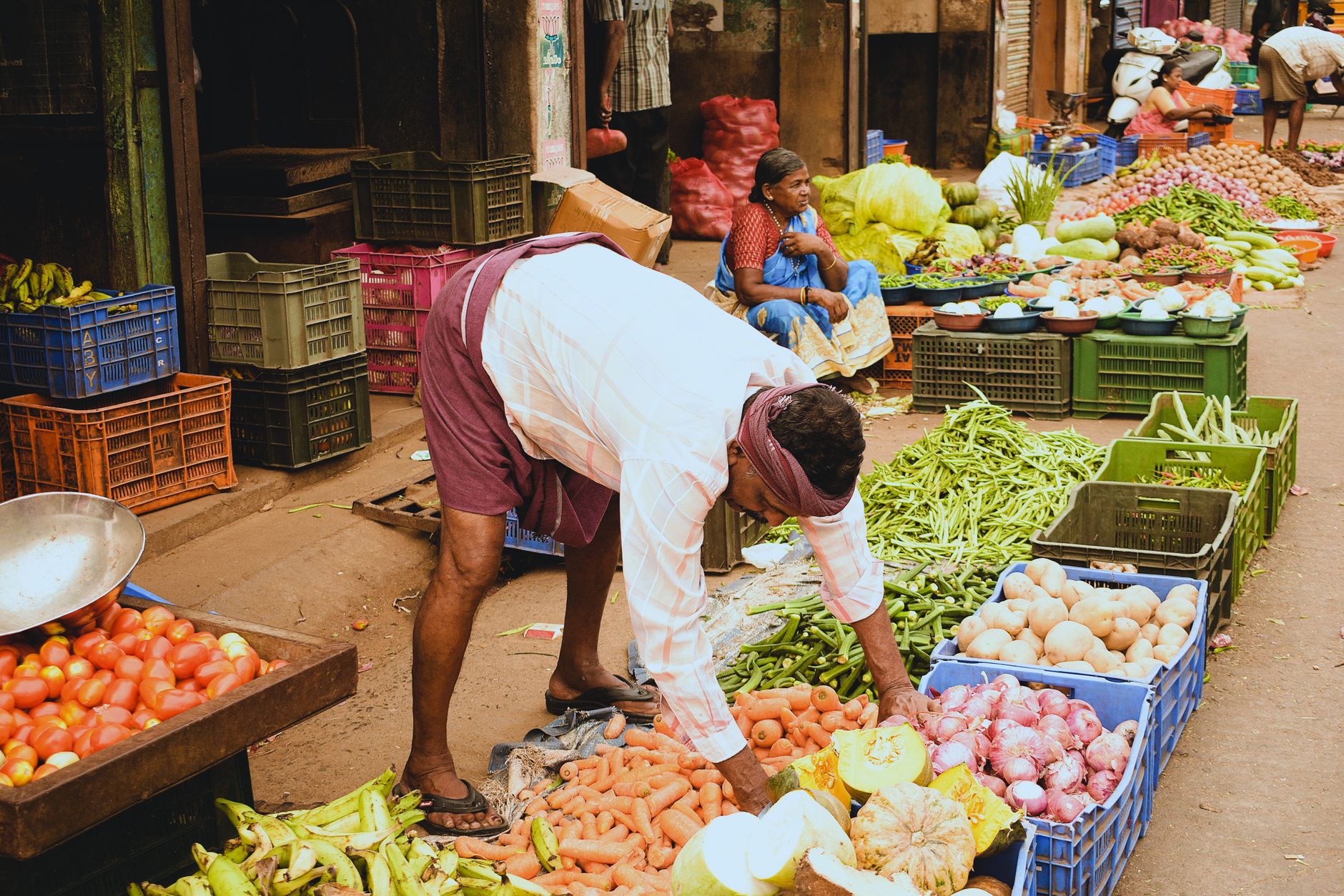
In addition to irrigation advancements, there is a noticeable shift in agricultural practices. Farmers are diversifying their crops, moving from traditional staples like rice and wheat to more resilient and high-value crops such as pulses, fruits, and vegetables. This diversification reduces risks associated with crop failure due to monsoon variability and enhances farmers' income.
As a result, crop yields have significantly improved. According to the Ministry of Agriculture, the average yield of pulses has increased by 25% over the past five years, while fruit and vegetable production has risen by 30%. This increase in productivity is crucial for ensuring food security in a country with a growing population.
The transformation of the rural economy has broader economic implications. Improved agricultural productivity is leading to rising rural incomes, which boosts purchasing power among rural households. This shift is fostering rural entrepreneurship, as farmers can now invest in agro-based industries and other ventures.
As the rural economy diversifies, new employment opportunities are emerging. The demand for skilled labor in sectors like food processing, logistics, and agro-tourism is on the rise. This trend helps reduce rural unemployment and provides pathways for youth to engage in productive activities.
However, challenges remain. Access to credit, market fluctuations, and climate change continue to threaten the stability of the rural economy. Farmers often face difficulties in securing loans for investments in new technologies, and price volatility can impact their income stability.
To ensure long-term resilience, there is a pressing need for sustainable agricultural practices. Initiatives focused on soil health, water conservation, and climate-smart agriculture are essential for maintaining productivity while safeguarding the environment. India's rural economy is at a pivotal point, with reduced reliance on monsoons shaping a new agricultural paradigm. Continued government support and a focus on sustainable practices will be crucial in addressing the challenges ahead. Based on reports from Google News — Indian Economy.
Market Impact
BULLISHThe transformation in rural agriculture may positively influence related sectors. Increased productivity can lead to higher consumer spending.
- →Higher agricultural output may boost rural consumption.
- →Rising incomes can enhance demand for agro-based products.
- →Investment in irrigation technology may benefit related industries.
Stocks:RELIANCETCS
Sectors:BFSIIT
Horizon: long term
What to Watch Next 👀
Monitor upcoming government policies on agriculture and irrigation funding.
Advertisement
Frequently asked
How is the rural economy changing in India?+
The rural economy is diversifying with better irrigation and crop variety, leading to increased productivity.
What role does the government play in this transformation?+
The government supports irrigation projects and schemes to enhance agricultural practices.
Based on reports from Google News — Indian Economy.
More in Economy
View all →
India's FDI Inflows Surge 44% in 2025, Says CareEdge
7h ago

Indian Economy Expected to Normalize in 2 to 3 Months
7h ago

HSBC Reports Mixed Economic Signals in India
7h ago

UBL Contributes ₹43,000 Crore to Economy in FY25
18h ago

UBL Contributes ₹43,000 Crore to Economy in FY25
19h ago

FDI Hits Five-Year High Amidst India's Economic Resilience
20h ago
Advertisement