
Advancements in Irrigation Boost India's Rural Economy and Food Security
Modern irrigation techniques are transforming agriculture and farmer livelihoods.
BULLISH· HIGH
Advertisement
India's rural economy is experiencing a remarkable transformation due to advancements in irrigation and farming practices. This shift is vital for ensuring food security and enhancing the livelihoods of millions of farmers across the nation. By reducing reliance on monsoon rains, farmers can cultivate crops more consistently throughout the year.
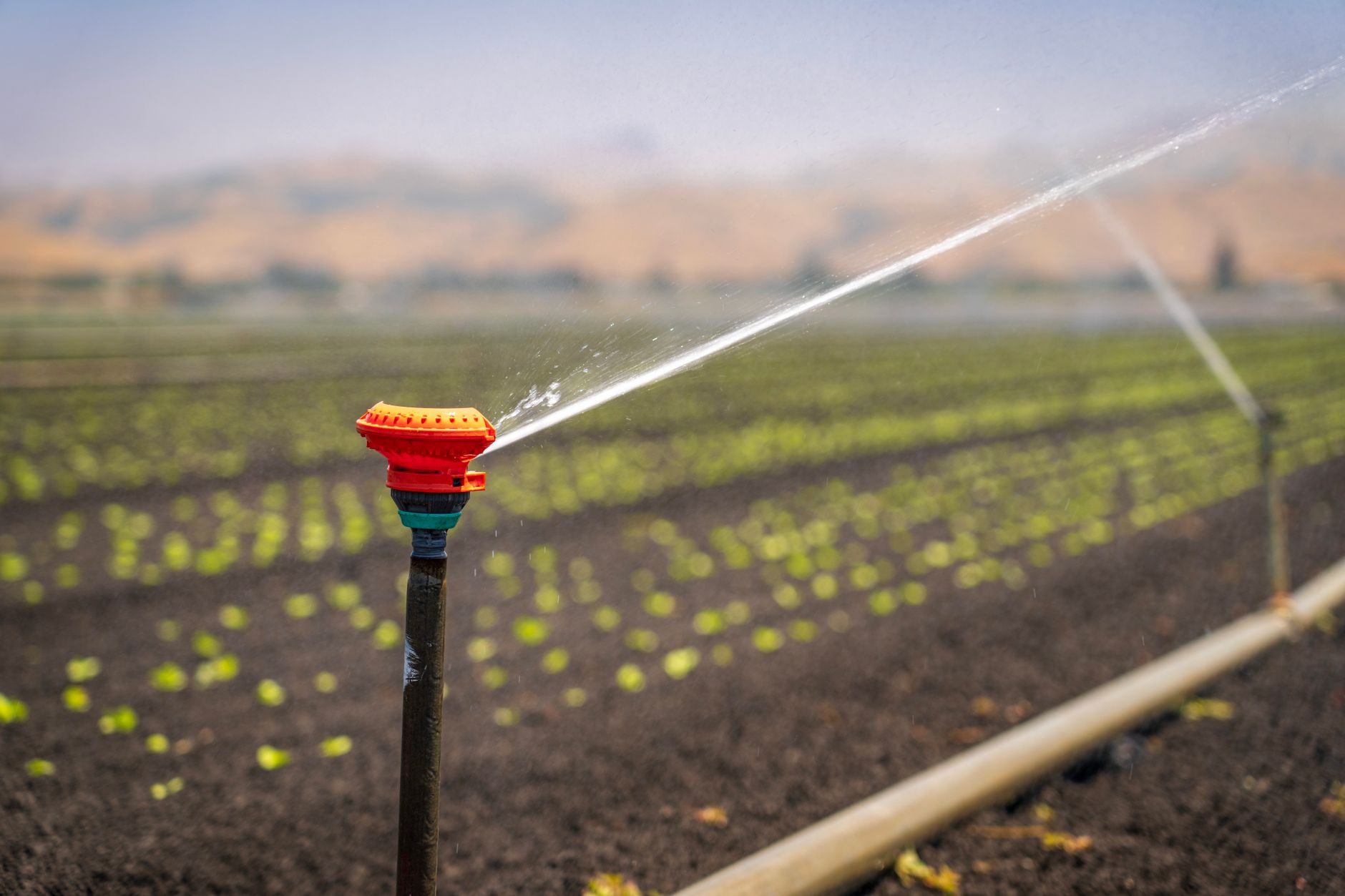
Modern irrigation techniques, such as drip and sprinkler systems, are central to this change. These methods enable efficient water usage, ensuring crops receive adequate moisture even during dry spells. As a result, farmers can grow a wider variety of crops, which improves both yield and income.
The Indian government is actively promoting these irrigation techniques through initiatives like the Pradhan Mantri Krishi Sinchai Yojana (PMKSY). This scheme aims to expand irrigation coverage and enhance water conservation. By investing in infrastructure and providing financial support, the government empowers farmers to adopt these advanced methods.
Additionally, farmers are diversifying their crop choices. Traditional monsoon-dependent crops are increasingly being supplemented or replaced with high-value crops such as fruits, vegetables, and pulses. This diversification stabilizes farmers' incomes and contributes to nutritional security for consumers.
The shift towards resilient farming practices is also creating new employment opportunities in rural areas. As farmers adopt new technologies and diversify their crops, there is a growing demand for skilled labor in crop management, irrigation maintenance, and marketing. This trend uplifts rural communities and improves their economic conditions.
However, challenges remain. Climate change poses a significant threat to agriculture, with unpredictable weather patterns impacting crop yields. Additionally, access to credit and markets can be barriers for many smallholder farmers. Addressing these issues is essential for sustaining the momentum of this transformation.
India's rural economy is on a promising trajectory as it becomes less dependent on monsoon rains. With continued investment in irrigation and a focus on crop diversification, the nation can enhance food security and improve the livelihoods of its farmers. Collaboration between the government, farmers, and the private sector is crucial to overcome challenges and ensure sustainable growth. Based on reports from Google News — Indian Economy.
Market Impact
BULLISHAdvancements in irrigation may positively influence agricultural stocks and rural employment.
- →Increased crop yields could lead to higher agricultural productivity.
- →Improved farmer incomes may boost rural consumption.
- →Government initiatives can attract investment in agri-tech sectors.
Stocks:RELIANCETCS
Sectors:BFSIIT
Horizon: long term
What to Watch Next 👀
Monitor government policies and weather patterns that could impact agricultural productivity.
Advertisement
Frequently asked
How do irrigation advancements affect farmers?+
They help farmers grow more crops, leading to better incomes and food security.
What role does the government play in this transformation?+
The government supports irrigation projects and provides financial assistance to farmers.
Based on reports from Google News — Indian Economy.
More in Economy
View all →
India Continues as Fastest-Growing Economy Under Modi
19h ago

India Continues as Fastest-Growing Economy Under Modi
19h ago

India Continues as Fastest-Growing Economy Under Modi
19h ago

ADB Lowers India's FY27 Growth Forecast to 6.6%
1d ago

ADB Lowers India’s FY27 Growth Forecast to 6.6%
1d ago

ADB Lowers India's FY27 Growth Forecast to 6.6%
1d ago
Advertisement