
Rupee at Risk: Can India Avoid the 100 Per Dollar Mark?
As the Indian rupee weakens against the US dollar, economists and policymakers grapple with currency depreciation risks. Will the rupee breach the psychologically significant 100 per dollar level?
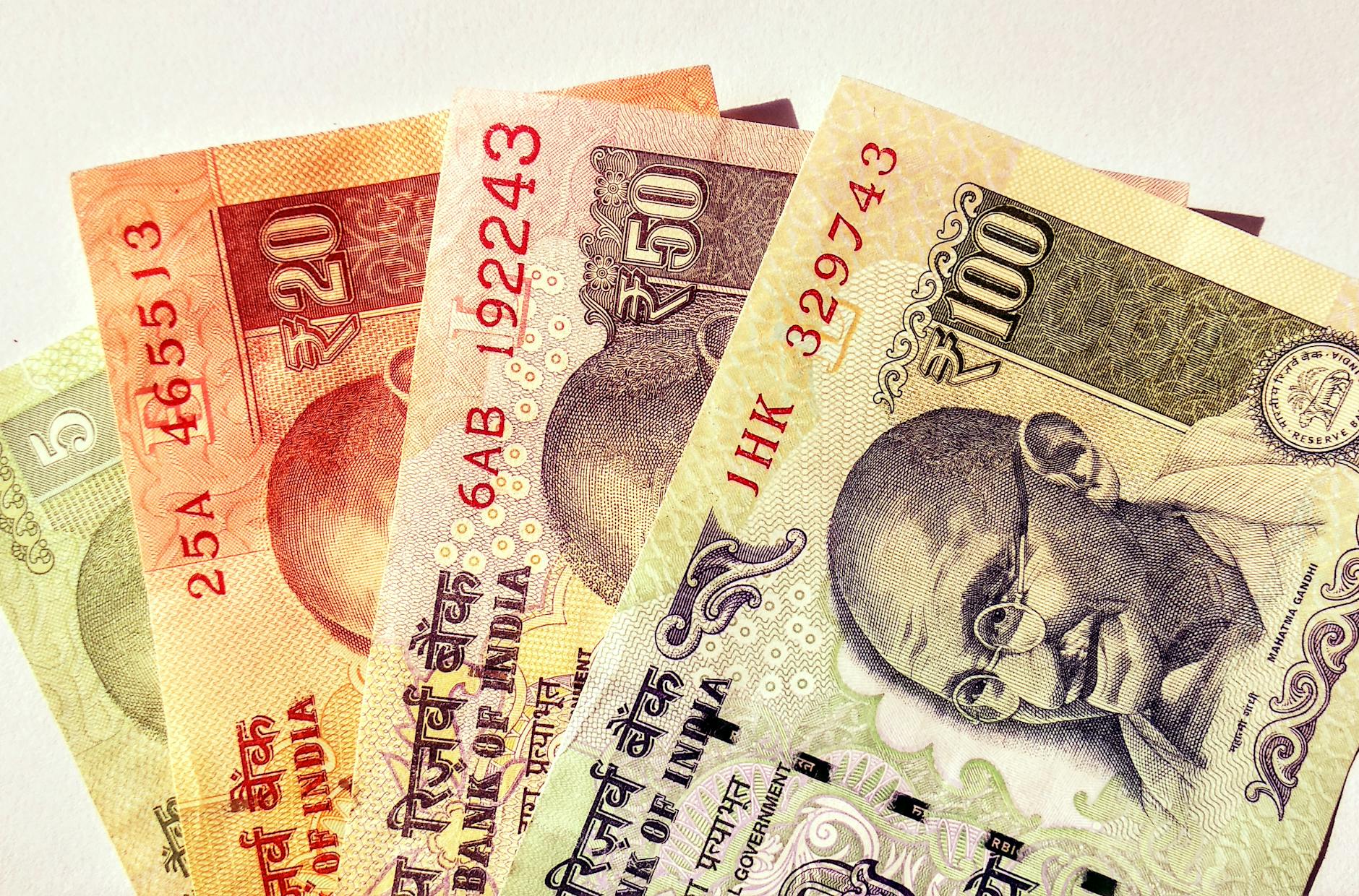
The Rupee Under Pressure
India's currency has emerged as one of the economy's most pressing challenges, with the rupee approaching levels that would trigger significant policy responses and market anxiety. The depreciation of the Indian rupee against the US dollar reflects broader macroeconomic pressures—from capital outflows to the strength of the American currency in global markets.
The question isn't whether the rupee can weaken to 100 per dollar, but whether India's policymakers and central bank will allow it, and what consequences such a move would carry. For ordinary Indians, a weaker rupee translates to higher import costs, increased inflation, and more expensive overseas travel and education. For businesses, currency volatility creates planning headaches and margin compression.
What's Driving the Weakness
Several structural factors have combined to pressure the rupee. The US Federal Reserve's aggressive interest rate hiking cycle has made dollar-denominated assets more attractive to global investors, pulling capital away from emerging markets like India. Simultaneously, India's current account deficit—the gap between imports and exports—has widened, requiring more dollars to pay for foreign goods and services.
Domestic factors also play a role. Inflationary pressures within India have kept the Reserve Bank of India in tightening mode, but these rate hikes haven't been enough to offset the attraction of higher US yields. Oil price fluctuations add another layer of uncertainty, since India imports most of its crude and pays in dollars.
The outflow of foreign portfolio investment (FPI) from Indian equity and debt markets has been particularly sharp at times, as global investors repositioned away from emerging markets. This demand-supply mismatch in the forex market directly weakens the rupee.
The 100 Per Dollar Psychological Barrier
Why This Level Matters
The 100 per dollar mark represents a significant psychological threshold for India. It would mark the rupee at its weakest nominal level in history. While exchange rates are ultimately about relative purchasing power and economic fundamentals, psychological barriers matter in currency markets—they influence investor behaviour, policy decisions, and media narratives.
Breaking through 100 would likely trigger:
- Increased import inflation, particularly in crude oil, electronics, and raw materials
- Higher debt servicing costs for companies with dollar-denominated borrowings
- Potential credit rating implications if sustained weakness persists
- Political pressure on the RBI to intervene more aggressively
RBI's Arsenal
The Reserve Bank of India has multiple tools to defend the rupee if needed. Its foreign currency reserves, which stand in the hundreds of billions of dollars, can be deployed to support the currency. The RBI can also adjust interest rates, use open market operations, or implement measures to control capital flows.
However, deploying reserves to defend a currency is resource-intensive and raises questions about sustainability. The RBI must balance currency stability with other policy objectives like inflation control and growth support.
Inflation and Import Costs
A weaker rupee invariably raises prices for imported goods. India's import basket includes critical items: crude oil, coal, electronics, machinery, and raw materials for manufacturing. Each percentage point of rupee depreciation translates to higher costs for businesses and consumers.
This creates a difficult policy trade-off. Higher interest rates can support the rupee by attracting foreign investment, but they also slow economic growth and make borrowing expensive for businesses and households. The RBI must navigate this tension carefully.
Inflation is already a concern in India, and rupee weakness would add to price pressures—particularly in the manufacturing sector, which relies heavily on imported inputs. This could affect everything from food prices (via fertiliser costs) to vehicle prices.
What Comes Next
Policy Options
The government and RBI have several levers to pull. Fiscal policy could focus on improving the current account by promoting exports and reducing non-essential imports. Structural reforms to boost domestic investment and productivity would strengthen the rupee over time.
Monetary policy remains constrained by inflation, but the RBI may need to balance currency stability with price control. Capital flow management tools, including restrictions on certain types of outflows, could be considered, though these carry their own risks for India's financial market reputation.
The Broader Context
It's worth noting that other emerging market currencies have weakened significantly against the dollar in recent years. The rupee, while under pressure, has held up better than some peers. This reflects India's structural strengths: large FX reserves, a diversified economy, and strong growth relative to developed nations.
However, complacency would be misplaced. Without sustained policy attention to the current account deficit and inflation, the rupee's weakness could accelerate. The 100 per dollar mark may serve as a useful trigger for policymakers to demonstrate commitment to currency stability and macroeconomic management.
For now, the rupee remains a key barometer of India's economic health and policy credibility. Keeping it stable—without sacrificing other important objectives—will be a defining challenge for the RBI and government in the quarters ahead.
Frequently asked
Why is the rupee weakening against the dollar?+
Multiple factors are at play: the US Federal Reserve's interest rate hikes making dollar assets more attractive, India's widening current account deficit, capital outflows from Indian markets, and global strength in the US currency. Oil price volatility, which forces India to spend more dollars on crude imports, also pressures the rupee.
What does a 100 per dollar rupee mean for ordinary Indians?+
A weaker rupee makes imports more expensive, leading to higher prices for fuel, electronics, and other imported goods. It also increases the cost of overseas education, travel, and medical treatment. For businesses, it raises manufacturing costs and affects company profitability.
Can the RBI prevent the rupee from hitting 100?+
The RBI has tools available—including foreign currency reserve intervention, interest rate adjustments, and capital flow management. However, defending the currency using reserves is resource-intensive. The RBI must balance currency stability with other objectives like inflation control and growth support.
How does rupee weakness affect inflation in India?+
A weaker rupee increases the cost of imported goods, particularly crude oil, coal, electronics, and raw materials. This adds to price pressures across the economy, from fuel to food (via fertiliser costs) to manufactured products, making inflation harder to control.
Is the 100 per dollar mark truly significant?+
While exchange rates are fundamentally about economics, the 100 mark is psychologically important—it would be the rupee's weakest nominal level historically. It serves as a trigger for policy responses and influences investor and market sentiment.
Based on reports from Google News — Indian Economy.
More in Economy
View all →
Impact of US-Iran War on India's Economy and Stability
India's Economic Stability at Risk Amid US-Iran Tensions
India Faces Economic Challenges Amid Ongoing US-Iran Conflict

Impact of US-Iran War on India's Economic Stability
India Faces Economic Crisis Amid US-Iran Tensions
