
RBI to Pilot Polymer Notes by 2027: A Modern Currency Shift
RBI's move aims to enhance currency durability and security.
BULLISH· HIGH
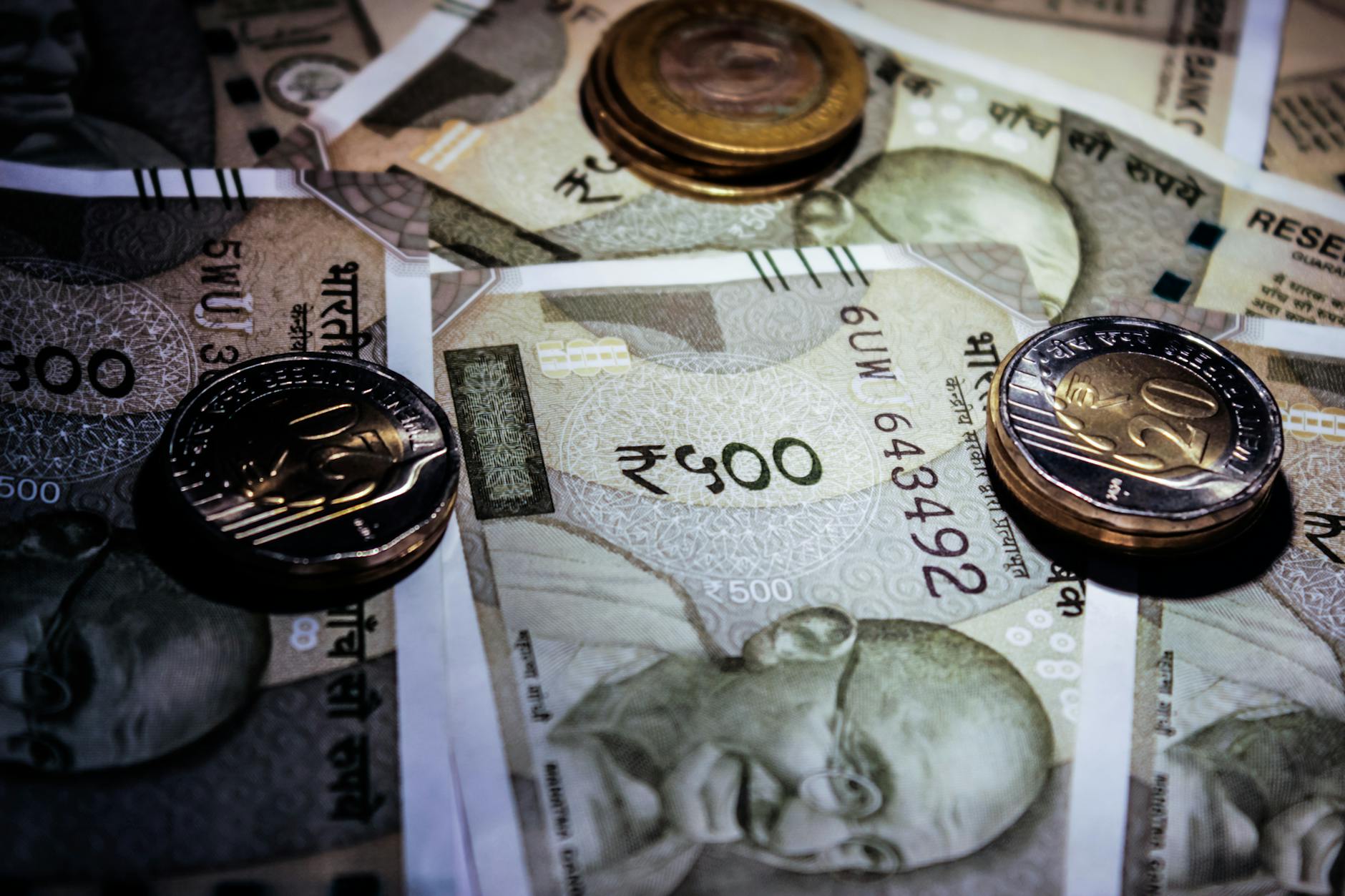
The Reserve Bank of India (RBI) has announced plans to pilot polymer currency notes by 2027. This initiative aims to improve the durability and security of the currency system in India. The decision aligns with a broader strategy to modernize the Indian currency infrastructure, reflecting global trends towards more secure and sustainable currency options.
Polymer notes are known for their enhanced durability compared to traditional paper notes. They resist wear and tear, allowing them to last significantly longer in circulation. This durability can lead to reduced costs associated with printing new notes. Additionally, it decreases the environmental impact of producing currency, contributing to sustainability efforts.
Another significant advantage of polymer currency is its improved security features. The transparent window and intricate designs make it more difficult to counterfeit. This is particularly crucial in India, where counterfeit currency has been a persistent challenge, undermining trust in the financial system.
Many countries, including Australia, Canada, and the United Kingdom, have already adopted polymer notes and reported positive outcomes. These include increased public acceptance and lower production costs. The RBI's decision to pilot polymer notes reflects a growing trend among central banks to explore more secure and sustainable currency options.
While the RBI has set a target for 2027, the exact timeline for the pilot program will depend on various factors, including public feedback and the results of initial trials. The central bank will likely conduct extensive testing to ensure that the new notes meet all necessary standards before they are introduced to the public.
The introduction of polymer currency notes by the Reserve Bank of India marks a significant step towards modernizing the country's currency system. With benefits such as increased durability and enhanced security, the pilot program could pave the way for a more efficient and secure currency in India. Based on reports from Google News — Banking India.
Impact analysis
BULLISHThe introduction of polymer notes may enhance the banking sector's efficiency and security.
- →Increased efficiency in currency management for banks
- →Potential reduction in costs associated with printing notes
- →Improved public confidence in currency security
Stocks:RELIANCETCS
Sectors:BFSIIT
Horizon: long term
What to watch next
Monitor public feedback and initial trial results leading up to 2027.
Frequently asked
What are polymer currency notes?+
Polymer currency notes are made from a type of plastic, making them more durable and secure than paper notes.
Why is the RBI introducing these notes?+
The RBI aims to enhance the durability and security of currency, reduce printing costs, and combat counterfeit currency.
Based on reports from Google News — Banking India.
More in Banking
View all →
IndusInd Bank Reports Increased Quarterly Profit Amid Lower Provisions
7h ago

IndusInd Bank Reports Increase in Quarterly Profit
7h ago
IndusInd Bank Reports Increased Profit Amid Lower Provisions
7h ago

IndusInd Bank Reports Increased Quarterly Profit Amid Lower Provisions
7h ago

IndusInd Bank Reports Increased Quarterly Profit Amid Lower Provisions
7h ago

India's Bond Yield Risks Could Raise Borrowing Costs
9h ago