
RBI Plans Polymer Currency Notes Launch in 2027
A significant shift towards modernizing India's currency system
BULLISH· HIGH
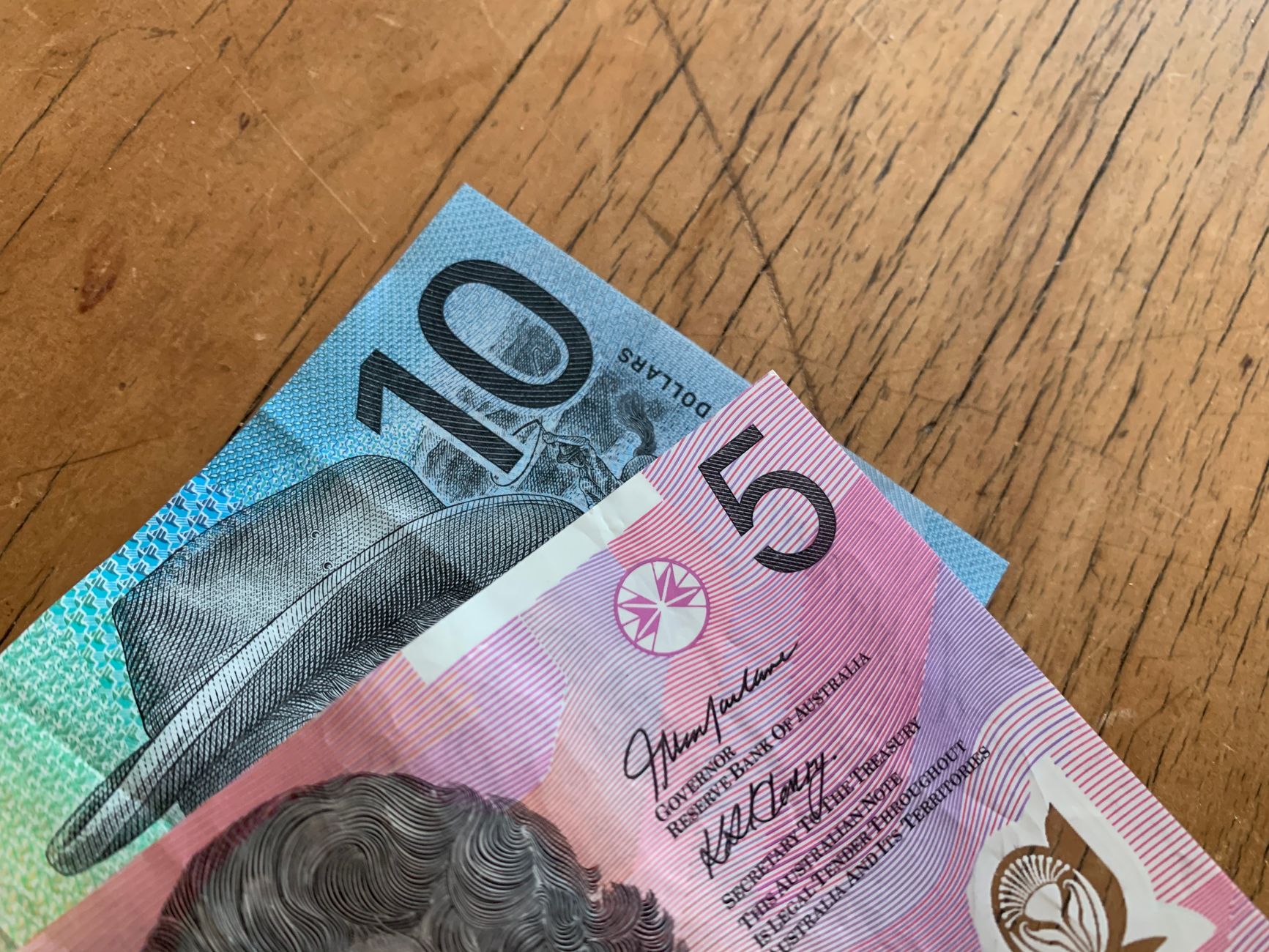
The Reserve Bank of India (RBI) has announced a plan to pilot polymer currency notes starting in 2027. This initiative aims to modernize the currency system in India by introducing notes made from polymer, a material known for its durability and advanced security features.
Polymer currency notes come with several advantages over traditional paper notes. Firstly, they are more durable, meaning they can withstand wear and tear better, leading to a longer lifespan. Secondly, polymer notes offer enhanced security features, making them harder to counterfeit. Lastly, they also promote hygiene, as they are easier to clean and less likely to absorb dirt and moisture.
Globally, many countries, including Australia, Canada, and the United Kingdom, have successfully adopted polymer currency notes. These nations have reported positive outcomes, such as reduced costs related to printing and replacing worn-out notes. This trend indicates a shift towards more secure and cost-effective currency solutions worldwide.
Currently, India uses paper currency notes that have been in circulation for decades. However, the increasing demand for more secure and durable currency options has prompted the RBI to explore alternatives like polymer notes. The pilot project for these notes is set to begin in 2027, allowing the RBI to thoroughly test and evaluate the new currency before a full-scale rollout.
To ensure public acceptance, the RBI plans to educate citizens about the benefits and features of polymer notes. This initiative aims to inform and prepare the public for the transition to this new currency type.
The introduction of polymer currency notes marks a significant advancement for India's banking system. With improved durability, security, and hygiene, these notes could revolutionize how currency is handled in the country. Based on reports from Google News — Banking India.
Impact analysis
BULLISHThe introduction of polymer notes may enhance financial stability and security in India.
- →Increased efficiency in currency management
- →Potential reduction in counterfeiting
- →Long-term cost savings for the RBI
Stocks:RELIANCETCS
Sectors:BFSIIT
Horizon: long term
What to watch next
Monitor the RBI's announcements regarding the pilot project and public education efforts leading up to 2027.
Frequently asked
What are polymer currency notes?+
Polymer currency notes are made from a durable plastic material that offers better security and hygiene compared to paper notes.
Why is the RBI introducing polymer notes?+
The RBI aims to modernize the currency system, reduce counterfeiting, and improve the overall durability and cleanliness of currency.
Based on reports from Google News — Banking India.
More in Banking
View all →
IndusInd Bank Reports Increased Quarterly Profit Amid Lower Provisions
7h ago

IndusInd Bank Reports Increase in Quarterly Profit
7h ago
IndusInd Bank Reports Increased Profit Amid Lower Provisions
7h ago

IndusInd Bank Reports Increased Quarterly Profit Amid Lower Provisions
7h ago

IndusInd Bank Reports Increased Quarterly Profit Amid Lower Provisions
7h ago

India's Bond Yield Risks Could Raise Borrowing Costs
9h ago