RBI Revives Polymer Currency Notes Plan After Decade-Long Pause
Central bank explores plastic notes for durability, security, and counterfeiting prevention across India.
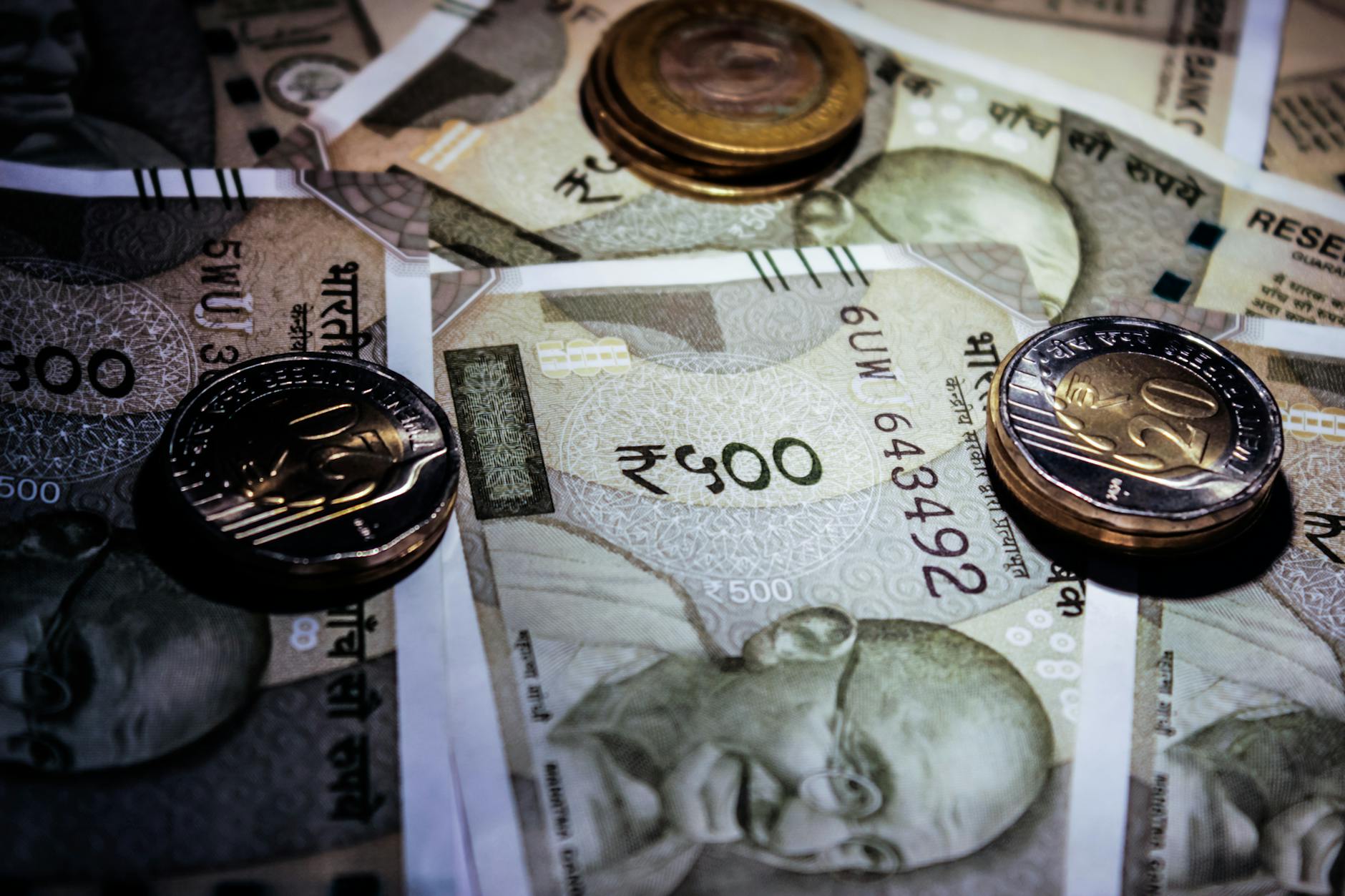
RBI Brings Back Polymer Currency Initiative
The Reserve Bank of India is revisiting its decade-old proposal to introduce polymer-based currency notes across the country. The central bank shelved this initiative years ago but is now re-examining it as part of efforts to modernize India's currency infrastructure and address persistent issues like counterfeiting and note durability.
This renewed interest comes at a time when India's cash-dependent economy continues to handle billions of banknotes daily. The RBI appears to believe that polymer notes could offer significant advantages over traditional paper currency in the long run.
Why Polymer Notes Matter
Polymer notes are made from a durable plastic substrate instead of cotton-paper pulp. Countries like Australia, Canada, and the United Kingdom have successfully used these notes for decades. Australia pioneered polymer currency in 1988 and has never looked back.
The key benefits are clear. Polymer notes last 2.5 to 4 times longer than paper notes, reducing replacement costs over time. They resist moisture, dirt, and tearing far better than paper. Advanced security features embedded in the polymer make counterfeiting extremely difficult. These notes are also more hygienic, a consideration that gained importance during the COVID-19 pandemic.
India's Earlier Experiment
The RBI first studied polymer notes over ten years ago but did not proceed. The reasons likely included high initial costs, infrastructure challenges at currency printing presses, and concerns about public acceptance. India's massive scale—with billions of notes in circulation—made any transition complex.
The fact that the RBI is now reconsidering suggests either that technology has improved, costs have fallen, or the central bank has found compelling reasons to overcome earlier obstacles.
Implementation Roadmap
Rolling out polymer notes across India would be a multi-year project. The RBI would need to upgrade printing presses, train staff, and coordinate with banks and ATM operators. A phased approach is likely, starting with one or two denominations as pilot programs.
Cost remains a critical factor. Polymer notes cost more to produce initially—roughly 50-100% more than paper notes. However, their longer lifespan means lower long-term costs. The RBI must calculate whether the upfront investment delivers value over time.
Public education would also be essential. Indians are familiar with paper currency, and any new material would require awareness campaigns to ensure smooth acceptance.
Global Success Stories
The UK switched its £5 and £10 notes to polymer in 2016-2017, followed by the £20 note in 2020. Canada introduced polymer notes in 2011, starting with the $100 bill. Singapore, New Zealand, and dozens of other countries have made similar transitions. These global examples prove that polymer notes work at scale.
Counterfeiting rates have dropped significantly in countries using polymer currency. The transparent window, complex optical features, and tactile elements make forgery far harder than with paper notes.
What Lies Ahead
If the RBI moves forward, expect feasibility studies, vendor consultations, and pilot tests before any public rollout. The central bank will likely focus on high-value denominations first, where durability and security matter most. Any decision would require coordination with the Ministry of Finance and government printing agencies.
The revival of this proposal signals the RBI's commitment to currency modernization. Whether polymer notes eventually reach Indian wallets depends on how the central bank balances technical feasibility, financial costs, and operational readiness in the months ahead.
Based on reports from Google News — Finance India.
Impact analysis
NEUTRALPolymer note adoption would create business opportunities for security printing companies and polymer substrate suppliers. Banks and ATM manufacturers may need to upgrade systems, creating demand for IT and banking infrastructure services.
- →Currency printing companies and security feature suppliers could see new orders if RBI proceeds with polymer notes
- →ATM and cash-handling equipment manufacturers may need to upgrade machines to handle polymer notes, driving upgrades
- →Long-term reduction in currency replacement costs could improve RBI's operational efficiency, indirectly benefiting fiscal management
What to watch next
Watch for official RBI announcements on feasibility studies, pilot programs, or budget allocations for polymer note infrastructure. Any formal RBI circular or government approval would signal the project is moving from exploration to execution.
Frequently asked
Will polymer notes replace all paper currency in India immediately?+
No. If implemented, the transition would be gradual, starting with one or two denominations as pilots. Paper and polymer notes would circulate together for years during any transition period.
Are polymer notes more expensive than paper notes?+
Yes, initially. Polymer notes cost 50-100% more to produce. However, they last much longer, so the cost per year of circulation is actually lower over time.
Which companies could benefit if India adopts polymer currency?+
Security printing companies, polymer substrate manufacturers, and firms providing advanced security features could see demand. ATM manufacturers and banking IT providers may also benefit from upgrade requirements.
Has India tested polymer notes before?+
The RBI explored polymer notes over a decade ago but did not proceed. There is no public record of large-scale trials in India, though the central bank likely studied global experiences.
Based on reports from Google News — Finance India.
More in Markets
View all →
EPFO 3.0 Proposal to Include Gig Workers in Pension Scheme

EPFO 3.0 Proposal to Include Gig Workers in Pension Scheme

EPFO 3.0 Proposal Aims to Include Gig Workers in Pension Scheme
EPFO 3.0 Proposal to Include Gig Workers in Pension Scheme

EPFO 3.0 Proposal Aims to Include Gig Workers in Pension Scheme