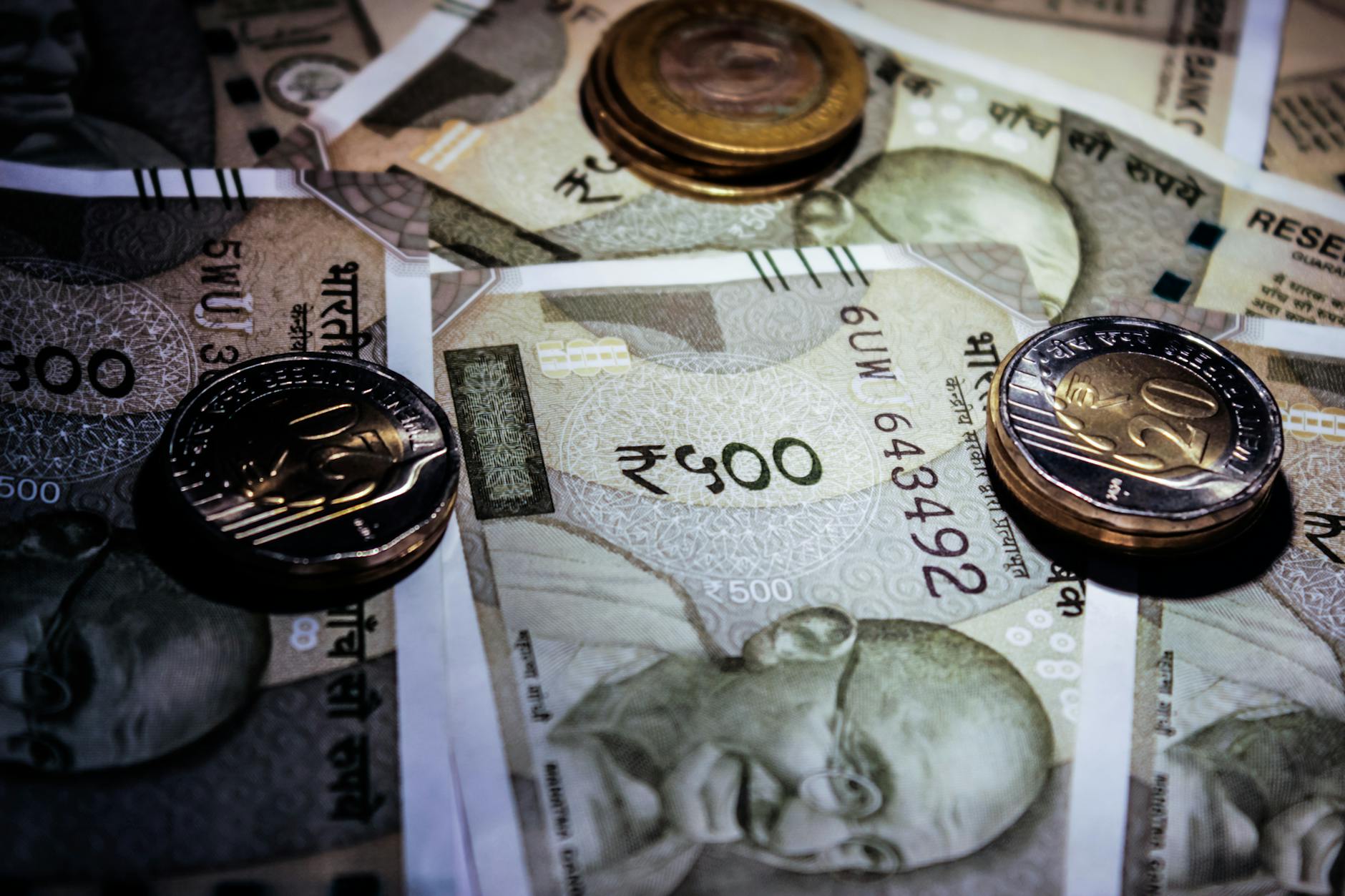
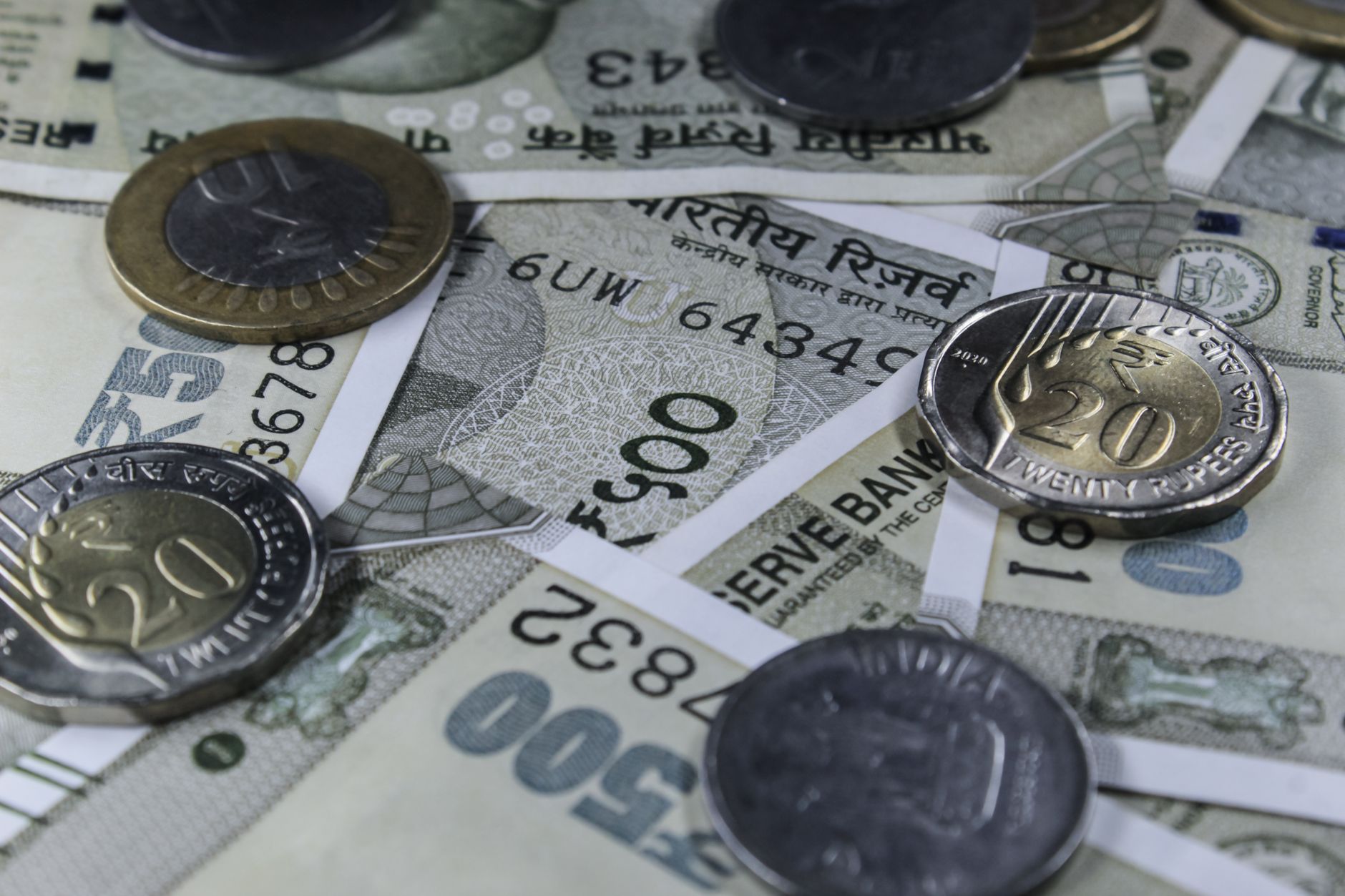
The Reserve Bank of India is set to introduce plastic currency notes across the country, reviving a plan first conceived over a decade ago. This marks a major modernisation of India's currency system, bringing the nation in line with developed economies that have already made the switch.
Polymer notes offer compelling advantages over traditional paper currency. A standard paper note survives only 4–5 years in circulation before wear and tear forces replacement. Plastic notes, by contrast, can remain functional for 10 years or more. This extended lifespan translates directly into lower currency production costs over time.
Security is another critical driver. Counterfeiting remains a persistent challenge in India, and plastic notes incorporate advanced features that are extremely difficult to replicate. Transparent windows, tactile elements, and high-resolution holograms make forgery substantially harder. For a cash-heavy economy like India, this upgrade offers meaningful protection.
The environmental angle is nuanced. While plastic raises sustainability concerns, polymer notes are fully recyclable and can be converted into products like road surfacing material or plastic lumber. The reduced replacement frequency also means fewer resources devoted to production cycles, creating net economic and environmental benefits.
Global experience provides a roadmap. Australia pioneered plastic notes in 1988, followed by Canada in 2011 and the UK in 2016. All three reported smoother circulation, rapid public acceptance, and measurable cost savings after initial transition periods.
India's rollout will be phased rather than abrupt. Industry observers expect the RBI to begin with higher-denomination notes like ₹500 or ₹2,000, which face heavier circulation and wear. Pilot programmes will help assess public response and iron out operational challenges before expanding to lower denominations.
Manufacturing presents a hurdle. India's currency printing facilities will need technological upgrades to produce polymer notes. The RBI operates multiple printing units nationwide, and transitioning requires substantial investment in equipment and staff training. These preparations are underway but will take time to complete.
Public acceptance is another consideration. Indians have used paper currency for generations, and the tactile feel of traditional notes is deeply familiar. However, international evidence suggests acceptance grows quickly once plastic notes enter circulation. Users soon appreciate the durability and cleanliness advantages.
Cost economics favour the transition despite higher upfront expenses. Plastic notes cost 20–30% more to produce initially, but the extended lifespan and reduced replacement frequency offset this premium within a few years. The RBI's financial modelling indicates long-term savings justify the investment.
The central bank is expected to announce formal timelines and pilot details within the next fiscal year. Public awareness campaigns will accompany the rollout to ensure smooth adoption. This initiative forms part of the RBI's broader modernisation agenda, which includes the ongoing digital rupee pilot and enhanced anti-counterfeiting measures.
For India's economy, plastic currency signals confidence in long-term monetary stability and commitment to global financial standards. Once fully implemented, it will represent one of the largest currency system upgrades since independence. The move balances technological advancement with practical utility, positioning India's currency infrastructure for the decades ahead.
Based on reports from Google News — Finance India.
Impact analysis
NEUTRAL
The shift to plastic currency will benefit currency printing infrastructure providers and security printing companies. Specialized polymer suppliers and technology firms supporting the transition may see increased business opportunities.
→Security printing companies with polymer note manufacturing capabilities stand to gain from RBI contracts
→Technology providers offering anti-counterfeiting solutions may see increased demand
→Long-term operational cost savings for RBI could free up resources for other monetary policy initiatives
Sectors:BankingSecurity PrintingManufacturing
Horizon: long term
What to watch next
Monitor RBI announcements in the next fiscal year for formal timelines, pilot programme details, and which denominations will be introduced first. Public acceptance metrics and manufacturing capacity updates will signal implementation pace.
When will plastic currency notes be available in India?+
The RBI is expected to announce formal timelines within the next fiscal year. The rollout will be phased, likely starting with pilot programmes for high-denomination notes like ₹500 or ₹2,000 before expanding to other denominations over several years.
Why is RBI introducing plastic notes now?+
Plastic notes last 10+ years versus 4–5 years for paper, reducing long-term production costs. They also offer superior security features to combat counterfeiting and are recyclable. The move aligns India with global currency standards adopted by developed nations.
Will plastic notes be accepted everywhere in India?+
Yes, plastic notes will have the same legal tender status as paper notes and must be accepted everywhere. International experience shows public acceptance grows rapidly once people experience the durability and cleanliness advantages of polymer currency.
Are plastic notes bad for the environment?+
Polymer notes are fully recyclable and can be converted into useful products like road surfacing material or plastic lumber. The longer lifespan also means fewer replacements, reducing overall resource consumption compared to paper notes.