RBI Revives Plastic Currency Plan After Decade-Long Pause for India
Polymer notes to offer better durability, security, and cost savings for Indian currency system
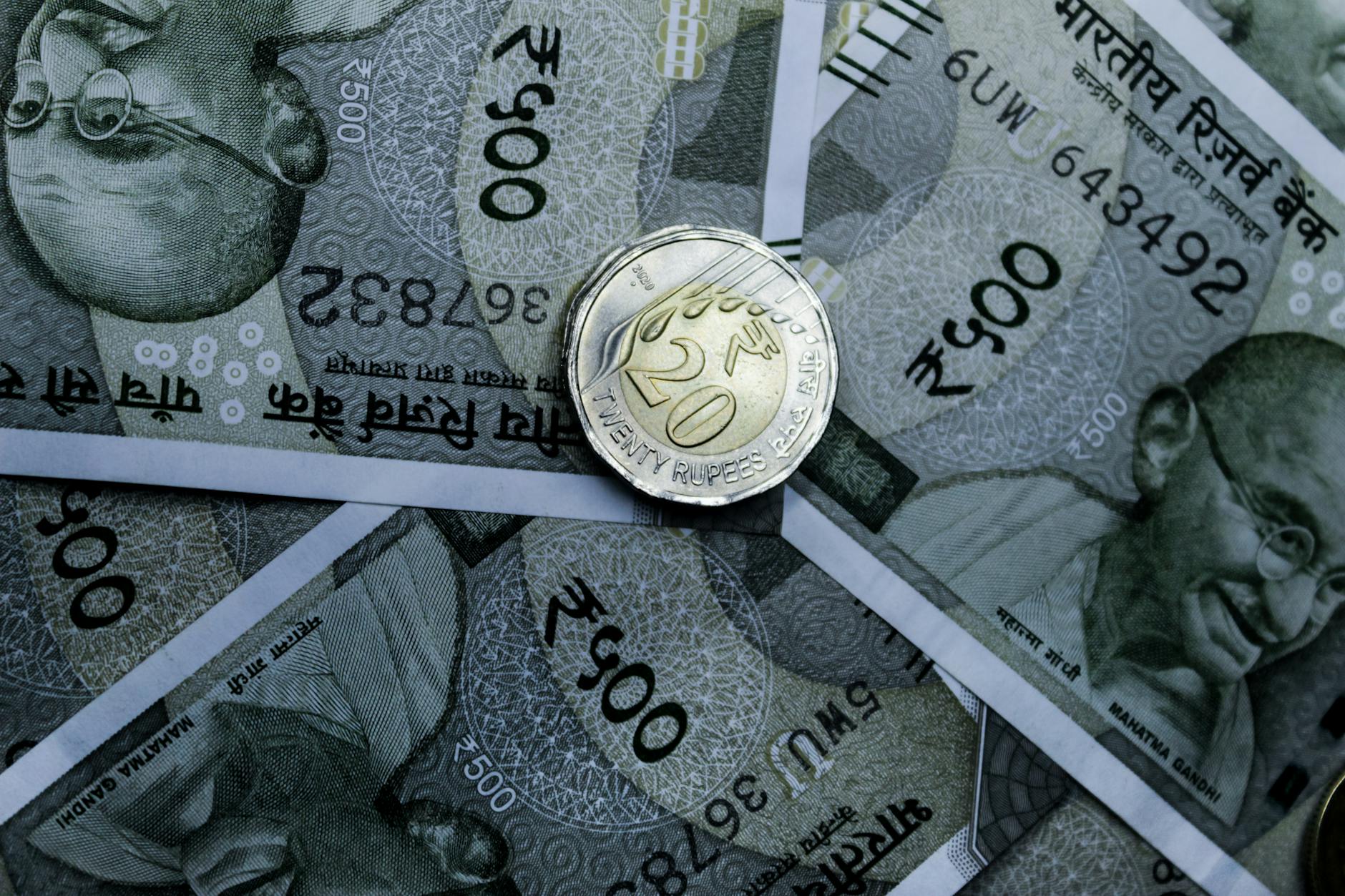
RBI Restarts Long-Delayed Polymer Currency Initiative
The Reserve Bank of India has officially revived its decade-old proposal to introduce plastic currency notes, signaling a major shift in India's physical currency infrastructure. The move aligns India with global trends, as central banks worldwide increasingly favour polymer over paper for their national currencies.
Polymer notes have already proven successful in Australia, Canada, and the United Kingdom. These countries report enhanced security, better longevity, and strong public acceptance. The RBI's decision suggests confidence that similar benefits can be realized in India's unique operating environment.
Three Key Advantages for India
Durability stands out as the most immediate benefit. Polymer notes last three to four times longer than traditional paper currency in active circulation. This extended lifespan means fewer replacements, translating into substantial cost savings for the government over time. For a country handling trillions of rupees daily, this efficiency gain matters significantly.
Security features embedded in polymer notes pose formidable challenges for counterfeiters. Transparent windows, colour-shifting inks, and raised printing cannot be easily replicated. India has struggled with counterfeit currency for years, making this technological upgrade particularly relevant. The advanced security elements provide both economic protection and public confidence in the currency system.
Environmental factors also support the transition. While plastic raises sustainability questions generally, polymer notes consume less ink during production and generate less waste than paper alternatives. They withstand moisture, heat, and physical wear far better than paper—critical attributes for India's diverse climate zones ranging from humid coastal regions to dry northern plains.
Implementation Strategy and Timeline
The RBI will likely adopt a phased rollout rather than immediate wholesale replacement. Industry observers expect pilot trials within the next one to two years, probably starting with smaller denominations like ₹10 and ₹20 notes. These denominations experience high turnover in the economy, making them ideal testing grounds.
A measured approach allows the central bank to evaluate public acceptance, test durability across India's varied climatic conditions, and identify operational challenges before expanding to higher denominations. This strategy mirrors successful transitions in other countries and reduces implementation risk.
Infrastructure Readiness Requirements
Before full deployment, India's banking infrastructure requires significant preparation. ATMs, currency counting machines, and sorting equipment used throughout the banking system must be upgraded or recalibrated to handle polymer notes smoothly. The RBI needs coordination with commercial banks, Post Office branches, and currency chest facilities nationwide.
Vending machines, transport ticketing systems, and retail cash-handling equipment across millions of small businesses must also adapt. This infrastructure alignment demands both investment and careful coordination across public and private sectors.
Manufacturing and Cost Considerations
India currently prints currency at facilities including the Security Printing Press in Nashik. Transitioning to large-scale polymer note production may require technology upgrades and potentially partnerships with international currency manufacturers who possess specialized expertise.
Initial production costs for polymer notes exceed paper alternatives. However, the total cost of ownership proves lower over time due to extended lifespan and reduced replacement frequency. The RBI's economic analysis likely accounts for these long-term savings when justifying the transition.
Unique Challenges for India's Scale
India's vast population and extensive cash-dependent informal economy present unique implementation challenges. Many citizens, particularly in rural areas, have used only paper rupees throughout their lives. Building familiarity through robust communication and education campaigns becomes crucial for smooth adoption.
The country's diverse literacy levels and regional variations require culturally appropriate messaging across multiple languages. The RBI's outreach strategy must address concerns and clearly communicate the benefits to ensure public trust in the new currency format.
Global Lessons Inform Indian Strategy
Australia pioneered polymer notes nationally starting in 1988. Initial resistance gave way to high satisfaction as citizens experienced practical benefits. Public surveys showed strong approval, particularly regarding durability and cleanliness compared to worn paper notes.
Canada's polymer series, rolled out between 2011 and 2013, now dominates Canadian currency circulation. The notes perform excellently in harsh cold climates and have virtually eliminated counterfeiting incidents involving polymer denominations. These international precedents provide tested frameworks that reduce India's implementation risk.
Market and Economic Implications
The polymer note transition creates business opportunities across multiple sectors. Currency equipment manufacturers, banking technology providers, and security printing companies stand to benefit from infrastructure upgrades. The shift also positions India alongside technologically advanced economies in currency management.
For India's growing digital payments ecosystem, improved physical currency complements rather than competes. As cash transactions decline gradually, the remaining notes must be more durable and secure—exactly what polymer delivers.
What Investors Should Monitor
No official launch date has been announced, but the RBI's formal revival indicates serious intent. Pilot programs in select regions or denominations likely precede nationwide rollout. Companies involved in currency handling technology, security printing, and banking infrastructure may see tender opportunities as implementation progresses.
The polymer note initiative represents broader monetary system modernization. As India strengthens its currency infrastructure, related sectors from fintech to manufacturing position themselves for participation in this evolution.
Based on reports from Google News — Finance India.
Impact analysis
NEUTRALThe polymer currency rollout will create opportunities for banking technology and security printing companies while requiring infrastructure investment across India's financial system. The move signals RBI's commitment to modernizing currency management, potentially benefiting companies in currency handling equipment and printing technology sectors.
- →Banking technology companies may see demand for ATM and currency handling equipment upgrades to accommodate polymer notes
- →Security printing and specialized manufacturing firms could benefit from government contracts for polymer note production and technology transfer
- →Infrastructure investment required across banking sector creates short-term costs but long-term efficiency gains through reduced replacement frequency
What to watch next
Monitor RBI announcements on pilot program timelines and denomination choices for initial rollout. Watch for government tender notifications for currency printing technology and banking infrastructure upgrade contracts, which will identify commercial beneficiaries.
Frequently asked
Why is RBI switching to plastic currency notes now?+
Polymer notes offer three key benefits: they last 3-4 times longer than paper notes (reducing replacement costs), have advanced security features to prevent counterfeiting, and perform better in India's diverse climate conditions. Global adoption by countries like Australia and Canada has proven the technology's effectiveness.
When will plastic rupee notes be available in India?+
While no official date is announced, industry observers expect pilot trials within 1-2 years, likely starting with ₹10 and ₹20 denominations. A complete nationwide rollout will be phased over several years to allow infrastructure upgrades and public adaptation.
Will plastic notes work in existing ATMs and machines?+
ATMs and currency handling equipment will require upgrades or recalibration to accept polymer notes smoothly. The RBI will coordinate with banks and equipment manufacturers to ensure compatibility before widespread distribution begins.
Are polymer notes more expensive than paper notes?+
Yes, polymer notes cost more to produce initially, but their extended lifespan (3-4 times longer) means fewer replacements are needed. This results in lower total cost of ownership for the government over time despite higher upfront production costs.
Based on reports from Google News — Finance India.
More in Markets
View all →
EPFO 3.0 Proposal to Include Gig Workers in Pension Scheme

EPFO 3.0 Proposal to Include Gig Workers in Pension Scheme

EPFO 3.0 Proposal Aims to Include Gig Workers in Pension Scheme
EPFO 3.0 Proposal to Include Gig Workers in Pension Scheme

EPFO 3.0 Proposal Aims to Include Gig Workers in Pension Scheme