
RBI Revives Plastic Currency Plan After Decade-Long Pause
Polymer notes promise 2.5x longer lifespan, reduced costs, and enhanced security features for India.
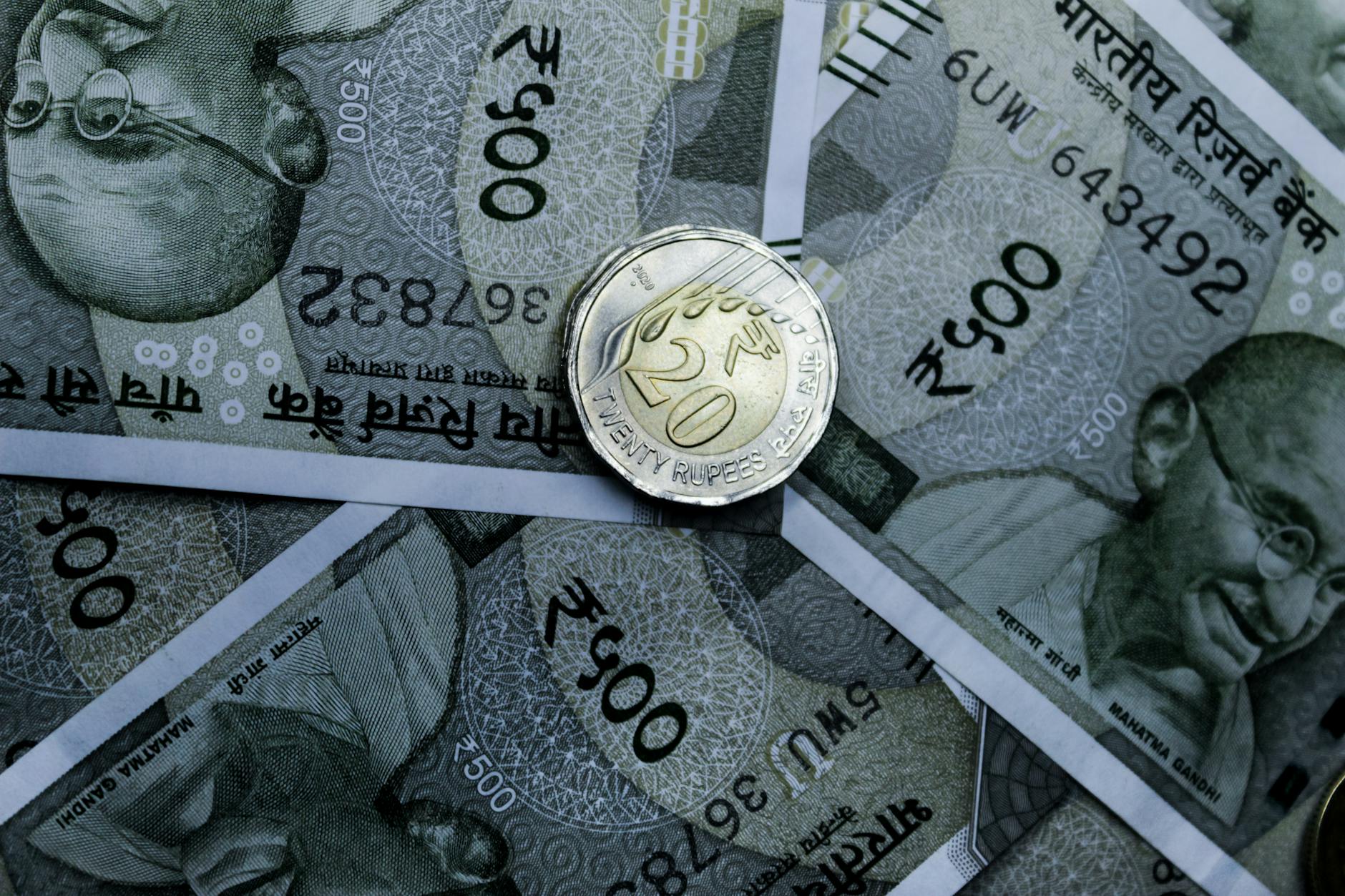
RBI Brings Back Shelved Plastic Currency Initiative
The Reserve Bank of India is moving forward with plans to introduce plastic currency notes across India, reviving a proposal that has been dormant for over a decade. This signals the central bank's fresh commitment to modernising the country's currency infrastructure and addressing durability challenges.
Polymer notes offer tangible advantages over traditional paper currency. They last significantly longer, incorporate advanced security features that make counterfeiting harder, and withstand moisture and physical wear better than cotton-fibre notes currently in circulation.
Why India Needs Polymer Currency Now
India's existing paper notes degrade quickly with constant handling. The average paper note circulates for about 18 months before requiring replacement. Polymer notes can remain functional for 4-5 years—approximately 2.5 times longer. This extended lifespan translates directly into reduced printing costs and lower operational burden for the RBI.
The durability gap becomes particularly important given India's climate and cash-intensive economy. Paper notes suffer damage from humidity, frequent folding, and handling across millions of daily transactions. Plastic notes resist these environmental stresses far better.
Key Benefits for India's Currency System
The advantages extend beyond longevity. Plastic notes incorporate sophisticated security elements that make replication extremely difficult. They also offer better hygiene, resisting bacterial and viral contamination more effectively than paper alternatives. This became especially relevant during the COVID-19 pandemic when currency handling raised health concerns.
Cost efficiency represents another major driver. While initial investment in new printing technology and machinery is substantial, the reduced replacement frequency delivers long-term savings. Countries that have made this transition report meaningful reductions in annual currency production expenses.
Global Success Stories Provide Roadmap
Australia pioneered polymer currency in 1988 and has since been followed by Canada, the United Kingdom, New Zealand, and over 30 other nations. These countries consistently report improved note quality, lower counterfeiting rates, and reduced environmental impact from frequent replacements.
The Bank of England's transition to plastic £5 and £10 notes demonstrated smooth public acceptance once citizens adjusted to the different texture. Canada's mid-2010s rollout achieved measurable cost savings while enhancing security. New Zealand completed a full transition across all denominations, validating the model's viability at scale.
The Decade-Long Delay Explained
The RBI first explored plastic notes more than ten years ago but faced multiple implementation hurdles. Technical challenges included establishing new printing capabilities and ensuring the notes met international durability and security standards. The India Security Press, the RBI's primary note-printing facility, would require significant equipment upgrades.
Financial considerations also slowed progress. The upfront capital investment for polymer production infrastructure is considerably higher than maintaining existing paper note facilities. However, as global polymer note technology has matured and production costs have declined, the business case has strengthened substantially.
Expected Rollout Strategy
While the RBI has not announced a detailed timeline, industry experts anticipate a phased approach. Initial production will likely focus on higher-value denominations such as ₹500 notes, allowing the central bank to assess public acceptance and operational performance before expanding to other denominations.
The transition requires careful coordination. ATM machines and currency-handling equipment across thousands of bank branches must be tested and potentially upgraded to accommodate the different physical properties of polymer notes. The RBI will need to work closely with commercial banks, payment processors, and equipment manufacturers.
Public awareness campaigns will be essential. Citizens accustomed to paper currency will need education about the look, feel, and handling of plastic notes. The different texture and thickness may initially feel unfamiliar to shopkeepers, cashiers, and everyday users who handle cash frequently.
Implementation Challenges Ahead
Logistical hurdles extend beyond printing. Cash-handling machines used by retailers, transport operators, and small businesses may require recalibration or replacement. The RBI must ensure backward compatibility during the transition period when both paper and plastic notes circulate simultaneously.
The central bank may also need to partner with international firms possessing proven expertise in polymer note production. Companies like CCL Secure (Australia) and De La Rue (UK) have established track records in polymer currency manufacturing and could provide technical support.
Broader Economic Implications
The move to plastic currency represents more than a technical upgrade. It reflects the RBI's commitment to modernising financial infrastructure even as India accelerates digital payment adoption. Cash remains vital in regions where digital penetration lags, and maintaining an efficient physical currency system supports inclusive growth.
From a sustainability perspective, plastic notes align with India's environmental goals. Reduced replacement frequency means less waste from discarded paper notes and lower resource consumption in the production cycle. Polymer notes are also fully recyclable at end of life, unlike cotton-fibre paper notes.
Market observers note that successful implementation could enhance international perceptions of India's institutional quality and economic management. As India positions itself as a modern, technology-forward economy, even traditional infrastructure like currency must reflect contemporary standards.
The cost savings from reduced replacement cycles could free up resources for other RBI priorities, including monetary policy operations, digital infrastructure investments, or financial literacy programs. While the exact savings will depend on implementation scale and speed, countries that have completed the transition report reductions of 30-50 percent in annual currency production costs over time.
Based on reports from Google News — Banking India.
Impact analysis
NEUTRALThe RBI's plastic currency initiative presents limited direct market impact but signals modernisation priorities. Companies involved in currency printing infrastructure, ATM manufacturing, and cash-handling equipment may see opportunities.
- →Note printing companies and security printing firms may benefit from equipment upgrade contracts and technology partnerships
- →ATM manufacturers and cash-handling equipment providers could see demand as banks upgrade infrastructure to handle polymer notes
- →Long-term cost savings for RBI reduce fiscal burden on currency operations, though impact on broader economy remains minimal
What to watch next
Monitor for official RBI announcements on rollout timelines, denominations selected for initial production, and partnerships with international polymer note manufacturers. Also watch for government budget allocations toward currency printing infrastructure upgrades.
Frequently asked
Will plastic currency notes replace all paper notes immediately?+
No, the transition will be phased over several years. The RBI will likely start with one or two higher-value denominations, assess performance and public acceptance, then gradually expand. Paper and plastic notes will circulate together during the transition period.
Are plastic currency notes actually made of plastic?+
Yes, polymer notes are made from a thin, flexible plastic film (biaxially-oriented polypropylene). This material is durable, waterproof, and can incorporate advanced security features like transparent windows and holograms that are impossible to replicate on paper.
How does this affect me as an investor?+
Direct investment impact is limited. No major listed companies are primary beneficiaries. However, it signals the RBI's commitment to infrastructure modernisation and long-term cost efficiency, which are positive indicators of institutional quality. Companies involved in ATM manufacturing or currency handling equipment may see marginal opportunities.
Based on reports from Google News — Banking India.
More in Banking
View all →
IndusInd Bank Reports Increased Quarterly Profit Amid Lower Provisions

IndusInd Bank Reports Increase in Quarterly Profit
IndusInd Bank Reports Increased Profit Amid Lower Provisions

IndusInd Bank Reports Increased Quarterly Profit Amid Lower Provisions

IndusInd Bank Reports Increased Quarterly Profit Amid Lower Provisions
