RBI Revives Plastic Currency Notes Plan After Decade-Long Pause
Polymer notes offer better security, durability, and cost savings for India's monetary system
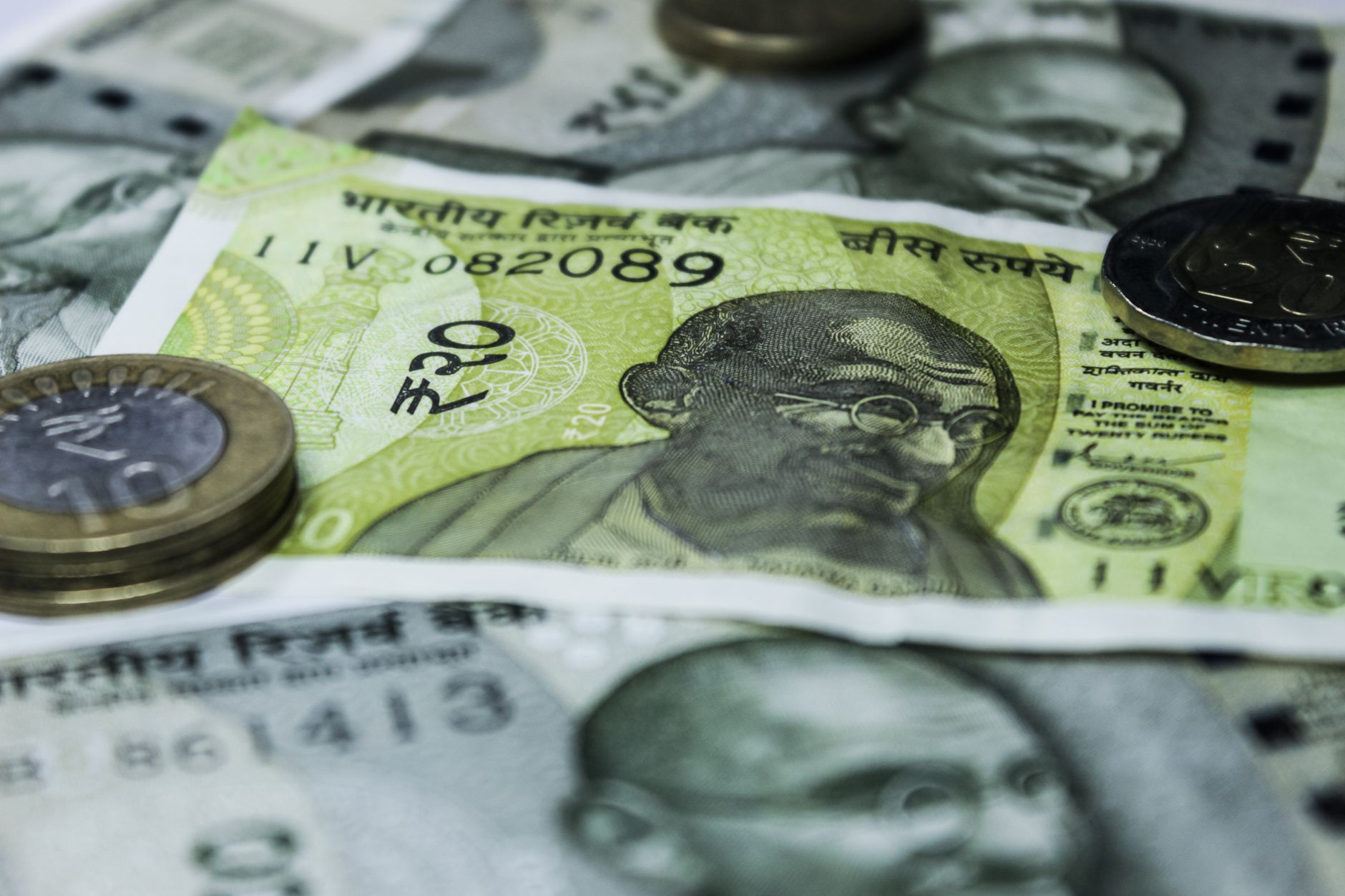
RBI Brings Back Polymer Currency Initiative
The Reserve Bank of India is reviving its plan to introduce plastic currency notes after shelving the proposal for over ten years. This renewed push forms part of the central bank's broader strategy to modernise India's monetary infrastructure and tackle long-standing issues with paper-based currency.
Polymer notes offer several advantages over traditional paper currency. They last longer, resist wear and tear better, and come with enhanced security features that make counterfeiting significantly harder. These benefits have already convinced over 150 countries worldwide to adopt or plan for plastic currency.
The Economics Behind Plastic Money
India currently manages circulation of over 3,000 crore currency notes. Paper notes degrade quickly through repeated handling, moisture, and general wear. This forces the RBI to continuously reprint notes to maintain adequate supply—a costly and resource-intensive process.
Polymer notes can stay in circulation far longer than paper currency. This extended lifespan translates directly into lower printing costs and fewer resources spent on replacing worn notes. For a country of India's size, even small efficiency gains create substantial savings.
Security presents another compelling case. Counterfeiting remains a persistent challenge for Indian authorities. Plastic notes incorporate transparent security features, holographic elements, and polymer composition that create multiple protection layers against fraud. These features are inherently more difficult to replicate than those on paper currency.
Learning from Global Adopters
India would join a long list of nations that have already made this transition. Australia pioneered polymer currency in 1988 and has since converted its entire currency system to plastic. Canada, the United Kingdom, Singapore, and many others followed, providing valuable implementation data.
These international examples offer the RBI crucial insights into cost structures, public acceptance patterns, and rollout strategies. The technology has matured significantly over the past decade, with manufacturing costs declining and processes becoming more established.
Why the Ten-Year Gap?
The RBI first explored plastic notes roughly a decade ago but the initiative stalled. Cost implications, manufacturing infrastructure requirements, and the complexity of withdrawing existing paper notes from circulation all presented obstacles.
The revival suggests these barriers have diminished. Global technology costs have fallen, manufacturing expertise has spread, and the RBI has gained time to study international implementations. The central bank's current modernisation agenda—covering digital payments, new denomination designs, and anti-counterfeiting measures—now provides a natural framework for introducing polymer notes.
Implementation Roadmap and Challenges
Manufacturing at scale presents the first major challenge. India must establish or upgrade facilities to produce polymer notes domestically or secure reliable international suppliers. The decision will balance cost considerations, quality control, and strategic self-sufficiency.
Public acceptance requires careful management. Indians have used paper currency for generations. The RBI will likely need extensive awareness campaigns explaining why plastic notes are superior and building confidence in the new medium. First impressions matter—any production defects or public confusion could undermine the entire initiative.
The rollout will almost certainly be phased. Expect polymer notes to debut in select denominations or limited quantities first. This approach manages risk, allows the system to adapt, and provides time to withdraw older paper notes gradually without disrupting daily commerce.
What This Means for India's Economy
Beyond immediate durability and security benefits, plastic notes carry broader economic significance. Lower printing expenditure frees resources for other RBI priorities. Improved counterfeiting resistance strengthens monetary stability and public confidence.
The initiative also signals India's commitment to financial modernisation. For international investors and trading partners, it demonstrates that India's central bank maintains a forward-looking, technologically competent approach to monetary infrastructure—an important confidence signal in global markets.
Polymer notes also handle India's diverse climate better than paper. From humid coastal regions to dry northern plains, plastic currency resists moisture and temperature fluctuations. This environmental resilience means notes survive longer regardless of geography, further improving cost efficiency.
As the RBI advances this plan, stakeholders should expect announcements detailing specific timelines, which denominations will convert first, and how the transition will roll out across India's banking system. Commercial banks handling daily note transactions will need to prepare infrastructure and train staff. The general public will need education on handling and identifying genuine polymer notes.
The return of plastic currency to India's policy agenda after a decade suggests the RBI has resolved previous obstacles and judged the timing right for implementation. This move positions India alongside developed economies in currency innovation while addressing practical challenges of cost, security, and durability that have long affected the nation's paper-based system.
Based on reports from Google News — Finance India.
Impact analysis
NEUTRALThe shift to polymer currency will benefit companies in currency printing, security features manufacturing, and banking infrastructure. Limited near-term market impact but signals RBI's modernisation commitment.
- →Companies supplying polymer substrate, security inks, and printing technology may see new contract opportunities as RBI scales production
- →Banks will need to upgrade ATMs and cash-handling infrastructure to accommodate plastic notes, benefiting banking automation providers
- →Long-term cost savings for RBI could redirect resources toward other monetary policy initiatives and financial infrastructure development
What to watch next
Watch for RBI announcements on specific denominations, manufacturing partners, and rollout timelines. Any pilot programs in select states or test denominations would signal implementation is advancing. Also monitor budget allocations for currency printing infrastructure.
Frequently asked
Why is RBI switching to plastic currency notes now?+
The RBI is reviving this decade-old plan because polymer notes last longer, cost less over time, are harder to counterfeit, and global technology costs have declined. Over 150 countries have successfully adopted plastic notes, providing proven implementation models for India.
Will plastic notes completely replace paper currency?+
The transition will be gradual and phased. The RBI will likely introduce polymer notes in select denominations first, then expand circulation while withdrawing paper notes over time. A complete replacement would take several years to implement across India's vast currency system.
How long do plastic currency notes last compared to paper?+
Polymer notes typically last 2-3 times longer than paper notes. While paper notes degrade within 1-2 years of circulation due to wear, moisture, and handling, plastic notes can remain usable for 4-5 years or more, significantly reducing replacement frequency and printing costs.
Which companies will benefit from India's shift to polymer notes?+
Companies involved in polymer substrate manufacturing, security printing technology, holographic features, and banking automation (ATM upgrades) could see opportunities. However, the RBI hasn't announced specific manufacturing partnerships or suppliers yet.
Based on reports from Google News — Finance India.
More in Markets
View all →
EPFO 3.0 Proposal to Include Gig Workers in Pension Scheme

EPFO 3.0 Proposal to Include Gig Workers in Pension Scheme

EPFO 3.0 Proposal Aims to Include Gig Workers in Pension Scheme
EPFO 3.0 Proposal to Include Gig Workers in Pension Scheme

EPFO 3.0 Proposal Aims to Include Gig Workers in Pension Scheme