
RBI Reaffirms 6-7% Growth Target as India Outpaces Global Economy
Central bank confident in domestic fundamentals despite worldwide slowdown and inflation pressures
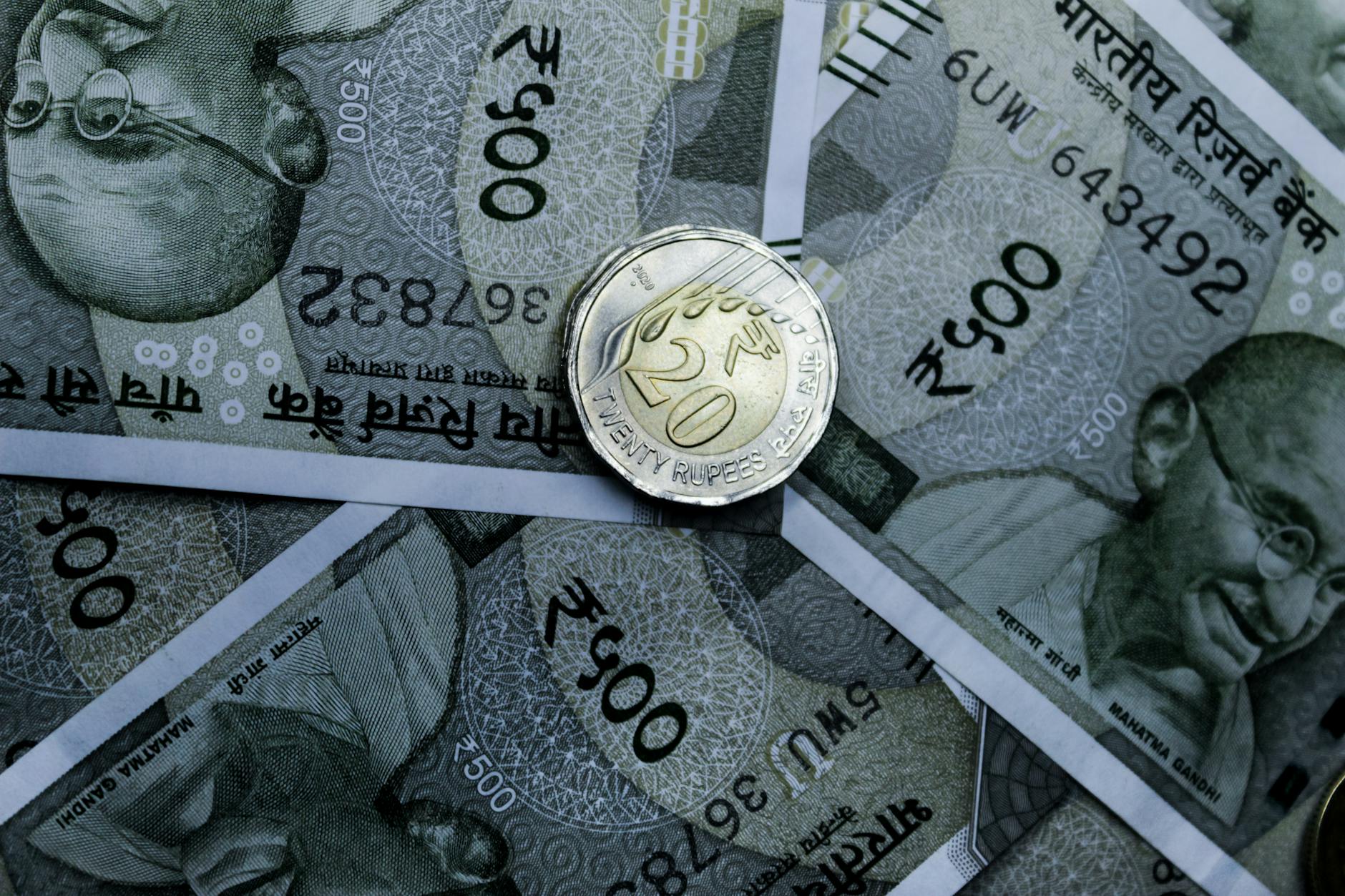
RBI Projects Robust Growth Despite Global Turbulence
The Reserve Bank of India has reinforced its optimistic outlook for the Indian economy, projecting growth in the 6 to 7 per cent range even as global headwinds intensify. This confidence signals that India's structural advantages and domestic demand continue to shield it from the worst effects of worldwide economic uncertainty.
The timing is significant. International institutions have downgraded growth forecasts for major economies, with geopolitical tensions, stubborn inflation, and aggressive monetary tightening creating recessionary conditions in several developed markets. Yet India's consumption-led economy, manufacturing momentum under Make in India, and resilient services sector have provided a powerful buffer.
What's Driving India's Economic Resilience
India's growth story rests on several concrete pillars. Domestic consumption remains healthy, supported by rising household incomes and expanding credit availability. Infrastructure spending has accelerated sharply, with government capital expenditure creating a multiplier effect across construction, cement, steel, and allied sectors.
Manufacturing activity has strengthened under production-linked incentive schemes, attracting both domestic and foreign investment. The services sector—particularly information technology, financial services, and business process management—continues generating steady foreign exchange inflows despite client-side pressures in developed markets.
Crucially, inflation has moderated to more manageable levels compared to the double-digit rates plaguing many Western economies. This gives the RBI operational flexibility to calibrate monetary policy without choking off growth. The central bank can maintain real interest rates at levels that support credit growth while keeping price stability in check.
Demographic and Structural Advantages
India's young population provides a sustained demographic dividend. With a median age far below developed nations and even peer emerging markets, the country benefits from an expanding workforce and growing middle class. This supports both consumption demand and labour productivity over the long term.
Government infrastructure investments—spanning highways, railways, ports, airports, and digital connectivity—are transforming economic geography. These projects reduce logistics costs, improve competitiveness, and unlock growth in tier-2 and tier-3 cities. The multiplier effects extend across sectors, from real estate to automobiles to consumer goods.
The banking system has also strengthened considerably. Asset quality has improved, with non-performing assets declining from crisis levels. Banks are well-capitalised and credit growth is robust, supporting business expansion and consumer spending. The RBI's prudential oversight ensures financial stability even during external turbulence.
Global Context and Currency Stability
While the RBI maintains its growth confidence, it remains cognisant of global risks. The US Federal Reserve, European Central Bank, and Bank of England have kept interest rates elevated to combat inflation, triggering capital flight from emerging markets and currency volatility.
India has weathered this storm relatively well. The rupee has shown greater stability than several peer currencies, and foreign exchange reserves remain comfortable at levels sufficient to cover several months of imports. This provides confidence that India can manage balance-of-payments pressures if global conditions worsen.
The RBI's monetary policy stance reflects a careful balancing act. It must anchor inflation expectations without stifling growth—a dual mandate that requires precise calibration. Recent policy decisions suggest the central bank is comfortable with current real interest rates and sees room to support growth while remaining vigilant on price stability.
Sectoral Momentum and Investment Implications
Across sectors, the outlook remains constructive. The automotive industry is expanding capacity to meet domestic demand and export opportunities. Real estate and construction are witnessing strong activity driven by affordable housing and commercial projects. Agriculture, supported by good monsoons and government schemes, provides stability to rural incomes.
The IT and IT-enabled services sector continues winning large global contracts despite client budget pressures. India's cost competitiveness and talent pool make it an attractive outsourcing destination even during global slowdowns.
Merchandise exports have demonstrated resilience, while remittances from the Indian diaspora remain robust. These inflows provide crucial foreign exchange and support consumption in millions of households.
Risks and Policy Flexibility
The RBI acknowledges downside risks. A sharper global slowdown, particularly in the US and Europe, could impact exports and IT services demand. An oil price spike would strain current account balances and rekindle inflation. Domestic policy missteps or delayed structural reforms could undermine growth momentum.
However, the central bank's confidence stems from India's proven ability to navigate external shocks. The economy has diversified, reducing dependence on any single sector or export market. Policy buffers—from forex reserves to fiscal headroom—provide tools to respond to adverse developments.
For investors and businesses, the RBI's reaffirmation offers important signals. India's growth trajectory remains intact despite global turbulence. The economy is firing on multiple cylinders—consumption, investment, manufacturing, and services—creating opportunities across sectors. While volatility may persist, the fundamental growth story continues to lift millions into prosperity.
Based on reports from Google News — Indian Economy.
Impact analysis
BULLISHThe RBI's growth confidence supports risk appetite in Indian equities, particularly cyclical and domestic-focused sectors. Banking, infrastructure, and consumption stocks stand to benefit from sustained economic momentum and credit growth.
- →Banks benefit from healthy credit growth and improved asset quality in a strong growth environment
- →Infrastructure and capital goods sectors gain from continued government spending and private capex revival
- →Consumer discretionary stocks supported by rising incomes and sustained domestic demand
- →IT services may face near-term headwinds from global slowdown despite long-term structural advantages
- →Defensive positioning warranted given global risks, but India's relative strength attracts foreign flows
What to watch next
Monitor upcoming quarterly GDP data for confirmation of RBI's growth projections, the next monetary policy announcement for signals on interest rate trajectory, and global developments—particularly US Fed decisions and crude oil prices—that could impact India's external balances and inflation outlook.
Frequently asked
Why is India's economy doing better than other countries?+
India benefits from strong domestic consumption, a young population, government infrastructure spending, and a resilient services sector. Unlike many developed economies struggling with high inflation and recession risks, India's inflation has moderated and domestic demand remains robust, insulating it from global headwinds.
What does RBI's growth confidence mean for my investments?+
The RBI's outlook supports a positive case for Indian equities, particularly banks, infrastructure companies, and consumer-focused stocks. These sectors benefit from credit growth, government spending, and rising household incomes. However, investors should remain mindful of global risks that could cause short-term volatility.
Which sectors will benefit most from India's growth momentum?+
Banking and financial services gain from credit growth and improving asset quality. Infrastructure and capital goods benefit from government spending. Consumer discretionary, automobiles, and real estate are supported by rising incomes and domestic demand. IT services have long-term potential despite near-term global client pressures.
What are the main risks to India's growth outlook?+
Key risks include a sharper-than-expected global slowdown affecting exports and IT services demand, a spike in crude oil prices that would worsen current account balance and reignite inflation, and potential domestic policy missteps. The RBI believes these risks are manageable given India's policy buffers and economic diversification.
Based on reports from Google News — Indian Economy.
More in Economy
View all →
Impact of US-Iran War on India's Economy and Stability

India's Economic Stability at Risk Amid US-Iran Tensions
India Faces Economic Challenges Amid Ongoing US-Iran Conflict

Impact of US-Iran War on India's Economic Stability

India Faces Economic Crisis Amid US-Iran Tensions
