
Japan Bans Indian Mango Imports Again Over Food Safety Concerns
Premium export market closes after phytosanitary violations, impacting Maharashtra and UP farmers
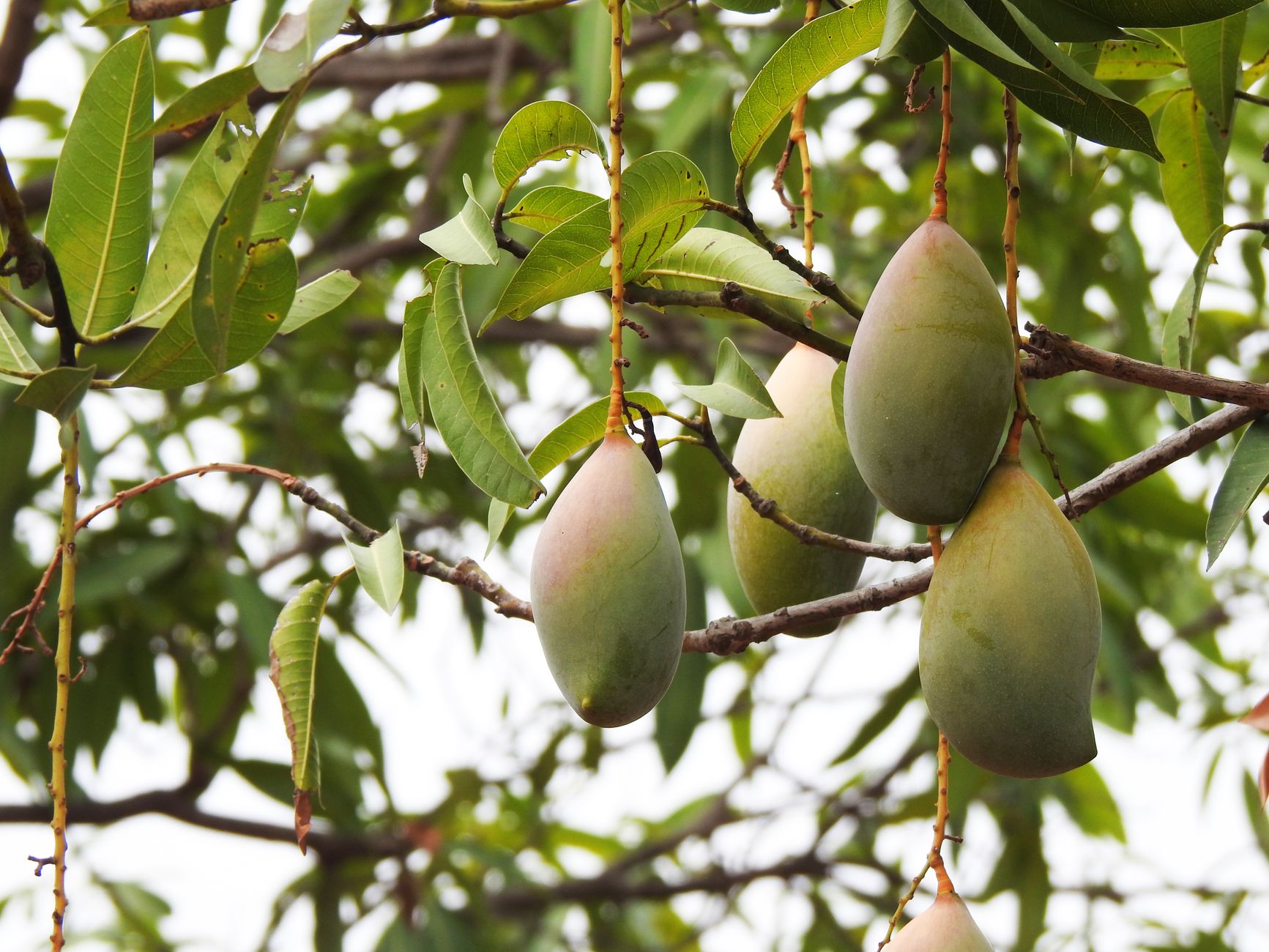
Japan Shuts Door on Indian Mangoes After Two Decades
Japan has reimposed a ban on Indian mango imports, closing a premium export market that had been accessible for nearly 20 years. The decision by Japanese agricultural authorities centres on phytosanitary concerns — violations of strict food safety and pest management standards that govern plant imports into Japan.
For Indian exporters and farmers across Maharashtra, Uttar Pradesh, and Andhra Pradesh, this represents a significant setback. Japan pays premium prices for high-quality mangoes, making it an attractive destination despite stringent compliance requirements. The sudden loss of market access threatens exporters who invested heavily in cold storage, certification systems, and buyer relationships tailored specifically for Japanese distribution.
Why Japan Acted Now
Japanese customs and agricultural inspectors detected pest contamination or pesticide residue violations in Indian mango consignments. Japan maintains some of the world's tightest agricultural import protocols, designed to protect its domestic farming sector from external threats. These standards cover pesticide residue limits, microbiological testing, pest monitoring, and complete traceability from farm to port.
The ban suggests systematic compliance failures by Indian exporters. Residue levels acceptable in other markets may violate Japan's stricter limits. Detection of specific pests or fungal infections triggers automatic bans until corrective measures are verified. This is not Japan's first action against Indian mangoes — a previous ban lasted approximately two decades before being lifted, suggesting a pattern of compliance challenges.
Financial Impact on Exporters and Farmers
Japan represents a niche but high-value segment of India's mango export portfolio. While the UAE, UK, USA, and Southeast Asian nations absorb larger volumes, Japanese buyers pay premium rates for fruit meeting their exacting standards. The market closure forces exporters to redirect volumes to alternative destinations, likely at lower prices.
Small and medium-sized exporters face the harshest impact. Companies that built supply chains specifically for Japan now see reduced returns on infrastructure investments. Some may exit the Japanese market entirely, dissolving relationships that took years to establish. Farmers, meanwhile, face uncertainty as surplus production must find new outlets, potentially depressing domestic prices if export alternatives cannot absorb the volume.
Industry Response and Path to Reinstatement
Indian agricultural export associations are seeking urgent dialogue with Japanese authorities to understand specific violations and negotiate reinstatement terms. Industry bodies argue for a phased reopening that rewards compliant exporters rather than blanket prohibition. They have also requested government intervention to facilitate bilateral negotiations.
The immediate priority is obtaining detailed compliance failure reports from Japan. This intelligence will guide remedial measures across the export chain. Industry self-regulation must strengthen — stricter audits of exporters' practices, upgraded certification processes, and enhanced monitoring systems can prevent future market closures.
Broader Trade Implications
Agricultural trade restrictions carry weight beyond immediate commercial impact. India and Japan maintain strategic bilateral relations spanning defence, technology, and investment sectors. While agricultural disputes rarely escalate into broader trade conflicts, this ban tests the strength of bilateral cooperation frameworks.
The timing also reflects Japan's domestic agricultural politics. Japanese farmers growing competing fruits often lobby for import restrictions to protect local market share and prices. This pattern appears across developed economies where agricultural protectionism coexists with free-trade agreements in other sectors.
Diversification as Risk Management
India's mango export strategy historically relied on diversified market access. While Japan's closure hurts, alternative premium markets in Europe and North America remain open. Southeast Asian demand continues growing, and Middle Eastern buyers consistently import Indian varieties. The challenge lies in expanding share in these markets quickly enough to offset Japanese losses.
Long-term, Indian agricultural certification systems must evolve to meet or exceed international benchmarks. Exporters need redundancy in their market portfolios to reduce vulnerability to any single country's regulatory actions. Government support for upgrading post-harvest infrastructure, testing laboratories, and quality assurance systems can position India as a consistently reliable global supplier rather than one prone to recurring market disruptions.
The industry's response over the coming months will determine whether Japan remains a permanently lost market or if Indian exporters can demonstrate the compliance improvements necessary for reinstatement. For now, the ban serves as a costly reminder that premium export markets demand uncompromising adherence to quality and safety standards.
Based on reports from Google News — Indian Economy.
Impact analysis
NEUTRALThe mango export ban impacts agricultural trade revenue but poses limited direct risk to listed equities. Agri-input and food processing companies with Japan exposure may see modest headwinds.
- →Premium export market closure reduces foreign exchange earnings from agricultural exports
- →Farmer incomes in Maharashtra, UP, and Andhra Pradesh face pressure from lost premium pricing
- →Agri-processing and cold storage companies with Japan-focused infrastructure see reduced utilization
- →Broader India-Japan trade relations unlikely to escalate beyond agricultural sector discussions
What to watch next
Monitor bilateral negotiations between Indian export bodies and Japanese agricultural authorities for reinstatement timelines. Track whether Indian government announces compliance upgrade programmes or support measures for affected farmers and exporters.
Frequently asked
Why did Japan ban Indian mangoes again?+
Japanese authorities detected violations of phytosanitary standards — likely pest contamination or pesticide residue levels exceeding Japan's strict limits. Japan has some of the world's tightest agricultural import protocols, and repeated compliance failures triggered the ban.
Will this affect mango prices in India?+
Domestic prices may face downward pressure if exporters redirect Japan-bound volumes to local markets. However, India has diversified export destinations including UAE, UK, and USA that can absorb some surplus. The impact depends on how quickly exporters find alternative buyers.
Which Indian companies are affected by the mango ban?+
The ban primarily impacts unlisted agricultural exporters, farmer cooperatives, and small-to-medium enterprises focused on Japanese market access. No major listed food processing or agri-business companies have significant direct exposure to Japanese mango exports.
Can India get the ban lifted?+
Yes, through demonstrating systematic compliance improvements. Indian exporters must implement stricter quality controls, enhanced pest monitoring, and certification upgrades. Bilateral negotiations and government intervention can facilitate a phased reopening, but this typically takes months to years.
Based on reports from Google News — Indian Economy.
More in Economy
View all →
Impact of US-Iran War on India's Economy and Stability

India's Economic Stability at Risk Amid US-Iran Tensions
India Faces Economic Challenges Amid Ongoing US-Iran Conflict

Impact of US-Iran War on India's Economic Stability
India Faces Economic Crisis Amid US-Iran Tensions
