
Iran War Escalation: Impact on India's Economy and Oil Prices
Geopolitical tensions threaten India's economy and currency stability.
BEARISH· HIGH
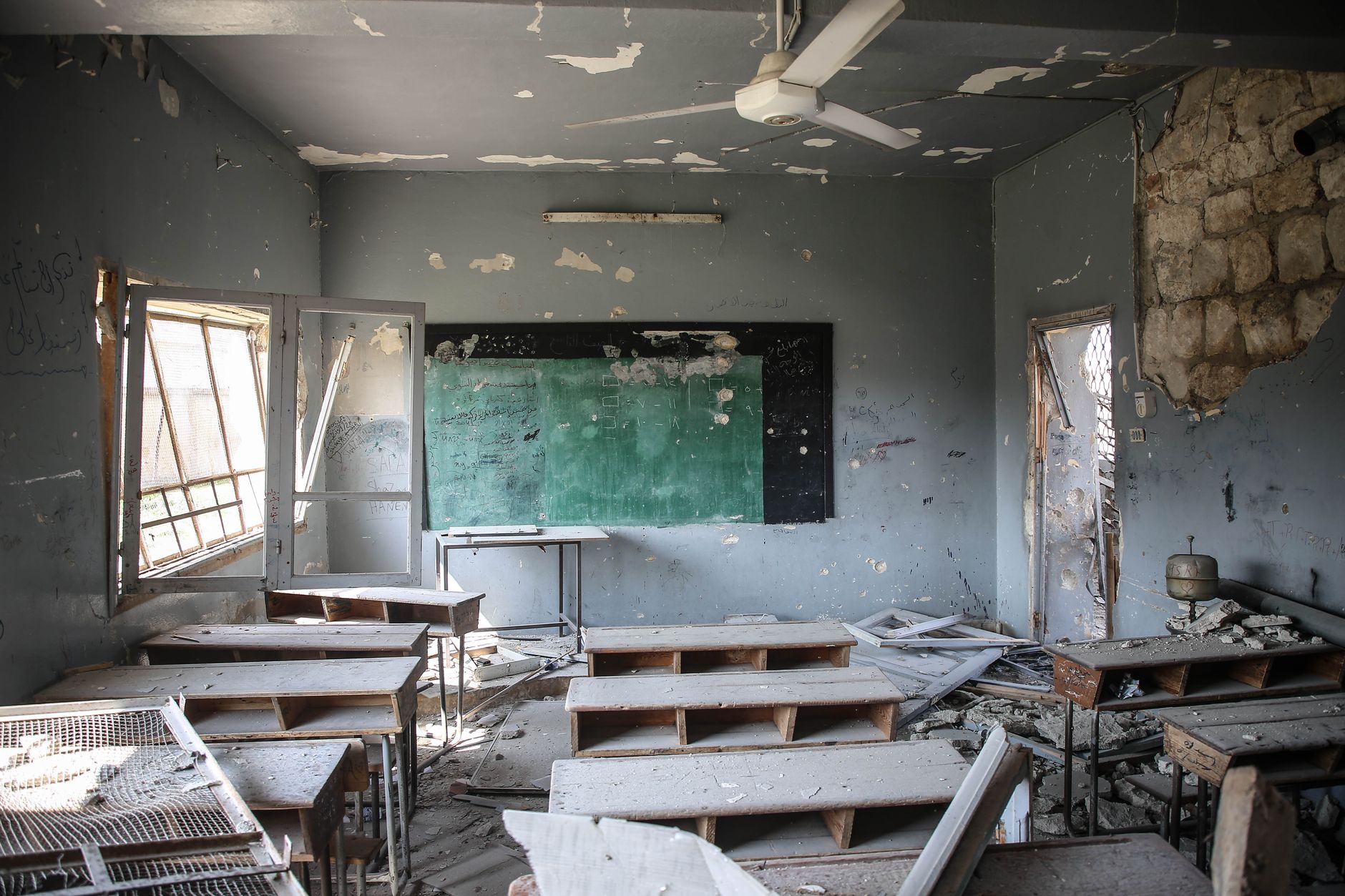
The recent escalation of the Iran war has created significant uncertainty in global markets. India, as a major oil importer, faces potential economic challenges that could affect its currency and stability. With around 85% of its crude oil sourced from abroad, India is particularly vulnerable to rising oil prices. Analysts are already observing volatility in oil prices, with predictions that Brent crude could exceed $100 per barrel if the conflict intensifies. This spike in oil prices could lead to increased inflation in India, affecting consumer spending and economic growth. Higher fuel costs are likely to impact sectors such as transportation, manufacturing, and agriculture, ultimately raising prices of essential goods.
The Reserve Bank of India (RBI) is closely monitoring inflation, which is already under pressure due to previous supply chain issues. An increase in oil prices could push inflation beyond the RBI's target range of 2% to 6%. Consequently, the central bank may need to consider adjusting interest rates, which could raise borrowing costs for consumers and businesses.
The Indian rupee is expected to weaken as the conflict escalates. A depreciating rupee can lead to higher import costs, worsening the trade deficit. This situation may prompt foreign investors to reassess their investments in Indian markets, leading to capital outflows. If the rupee depreciates significantly, it could reach levels of ₹85 to ₹90 against the US dollar, increasing the burden of external debt repayments.
Investors are reacting to these geopolitical tensions, with stock markets showing increased volatility. Sectors reliant on oil, such as airlines and logistics, may see declines in stock prices due to rising operational costs. Conversely, companies in renewable energy may benefit from a shift towards alternative energy sources.
While the immediate effects of the Iran war are concerning, analysts stress the importance of a long-term strategy to manage risks associated with oil price fluctuations. India has been working to increase its renewable energy capacity, which may help reduce dependence on oil imports. Additionally, diversifying energy sources and enhancing domestic production will be crucial for insulating the economy from external shocks. Strengthening diplomatic efforts to stabilize oil supply chains and exploring new energy partnerships will also be vital.
In conclusion, the Iran war escalation poses significant challenges for India's economy, particularly regarding oil prices and the rupee. Stakeholders must remain vigilant and proactive in addressing potential impacts on inflation, currency stability, and economic growth. Based on reports from Google News — Indian Economy.
Impact analysis
BEARISHThe ongoing conflict could negatively impact Indian markets. Investors should be cautious as volatility increases.
- →Oil price hikes may lead to higher inflation.
- →A weaker rupee could deter foreign investments.
- →Volatility in stock markets is expected, especially in oil-dependent sectors.
Stocks:RELIANCETCS
Sectors:TransportationManufacturingAgriculture
Horizon: short term
What to watch next
Monitor oil price movements and RBI announcements on interest rates.
Frequently asked
How does the Iran war affect Indian oil prices?+
The conflict can lead to higher oil prices, impacting India's import costs.
What is the expected impact on the Indian rupee?+
The rupee may weaken due to increased oil prices and a larger trade deficit.
Based on reports from Google News — Indian Economy.
More in Economy
View all →
Impact of US-Iran War on India's Economy and Stability
10h ago

India's Economic Stability at Risk Amid US-Iran Tensions
10h ago
India Faces Economic Challenges Amid Ongoing US-Iran Conflict
10h ago

Impact of US-Iran War on India's Economic Stability
10h ago

India Faces Economic Crisis Amid US-Iran Tensions
10h ago

India Emerges as a Solar Superpower with Skilled Workforce
22h ago