
How Iran tensions and Modi's push could reshape India's hospitality sector
Geopolitical tensions in Iran threaten to disrupt global travel, while Prime Minister Modi's renewed focus on India's hospitality industry could position the country as an alternative destination for international tourists.
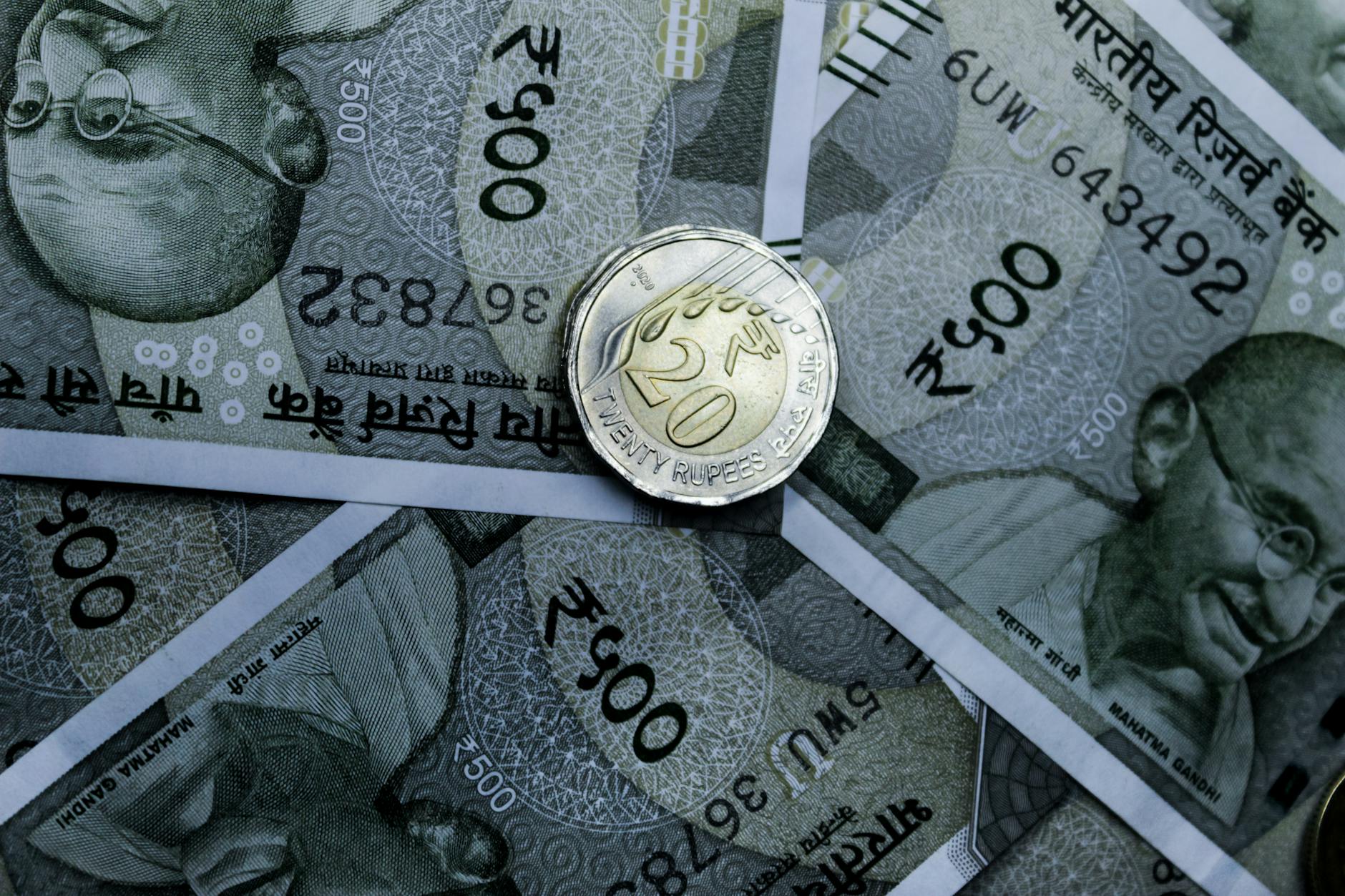
Geopolitical shocks threaten global tourism stability
Escalating tensions in Iran have triggered fresh warnings about potential disruptions to global travel patterns and tourism flows. The Middle Eastern instability raises questions about international visitor confidence and airline operations across key travel corridors. For India—a nation increasingly dependent on high-value tourism revenue—these geopolitical headwinds present both a challenge and an opportunity.
Industry analysts say that conventional tourism destinations in the Middle East and parts of Asia could see reduced traffic as travellers reassess their holiday plans. This volatility typically creates a window for alternative destinations to capture market share, especially those perceived as stable, culturally rich, and value-for-money options. India fits this profile, though only if the government and private sector can capitalize on the moment.
Modi government's hospitality sector push
Prime Minister Narendra Modi has renewed his call to accelerate growth in India's hospitality and tourism industries, signalling that the government views this sector as a strategic priority for employment, foreign exchange earnings, and economic diversification. The appeal comes as India seeks to increase its share of global tourism revenue and position itself as a premier destination for leisure, business, and cultural tourism.
The push reflects a broader recognition that India's tourism potential remains underutilized. Despite being home to iconic heritage sites, diverse landscapes, and a rich cultural heritage, the country has historically captured a modest share of international tourist arrivals compared to regional competitors like Thailand, Vietnam, and Indonesia. Modi's intervention suggests the government is intent on changing that trajectory through policy support, infrastructure investment, and promotional campaigns.
Hospitality industry's growth prospects
Employment and economic multiplier effects
A revitalized hospitality sector could generate substantial job creation across hotels, restaurants, tour operations, transportation, and ancillary services. The industry is labour-intensive and offers employment opportunities for workers across skill levels—from entry-level roles to management positions. Multiplier effects extend to local suppliers, craft producers, and small businesses that cater to tourists.
Foreign exchange and revenue generation
International tourism generates critical foreign exchange earnings for India's balance of payments. As the rupee faces periodic pressure from global economic conditions, tourism revenue provides a steady, non-debt creating source of external income. Higher tourist arrivals translate directly to increased spending on accommodation, food, transport, shopping, and experiences—all of which contribute to GDP growth and tax revenues.
Infrastructure and policy challenges
For India to capitalize on geopolitical opportunities and Modi's policy push, significant groundwork is necessary. Airport capacity, road connectivity to tourist destinations, hotel supply in key cities, and digital infrastructure for bookings and payments all require sustained investment. Many tier-2 and tier-3 cities that could serve as secondary tourist hubs lack adequate hospitality infrastructure and reliable power and water supply.
Additionally, visa policies, safety perceptions, and ease of travel into India need continuous refinement. Several competitor nations have streamlined visa processes and offered competitive pricing on accommodation and experiences. India must ensure its regulatory environment and promotional messaging clearly communicate value and accessibility to international travellers.
The government's role extends to marketing. India's brand positioning in global tourism has historically been fragmented—some see it as a spiritual and cultural destination, others as a budget backpacker hub, and still others as an emerging business tourism market. A coherent, unified messaging strategy would help attract the highest-value international traveller segments.
Timing and momentum
The convergence of Iranian tensions and Modi's public commitment to hospitality growth creates a rare window of opportunity. If industry players—from large hotel chains to heritage property owners to tour operators—receive clear policy signals and financial support, they can accelerate investment and capability-building. This, in turn, enables India to capture displaced tourists seeking safe, compelling alternatives.
However, opportunity alone is insufficient. Execution matters. Training hospitality staff to international standards, ensuring consistent quality across properties, leveraging digital platforms for visibility, and managing visitor expectations around infrastructure and service will determine whether this moment translates into sustained growth or a missed chance.
India's hospitality sector has shown resilience and innovation, particularly post-pandemic. Staycation trends, luxury retreats, adventure tourism, and wellness travel have all found traction. The underlying demand is there. The question is whether coordinated government action and private sector investment can align to unlock India's full potential as a tourism destination at a time when global travellers are actively reconsidering their options.
Frequently asked
How could Iran tensions boost India's tourism?+
As travel patterns shift away from less stable regions, countries like India perceived as safe and stable destinations stand to capture displaced international tourists. This creates an opportunity window for India's hospitality and tourism sectors to increase market share.
What is Modi's hospitality sector push about?+
Prime Minister Modi has renewed calls to accelerate growth in India's hospitality and tourism industries, signalling government commitment to investment, infrastructure development, and promotional campaigns to position India as a premier global destination.
How does tourism contribute to India's economy?+
Tourism generates foreign exchange earnings critical to India's balance of payments, creates employment across multiple skill levels, supports local suppliers and small businesses, and contributes to GDP growth through visitor spending on accommodation, food, transport, and shopping.
What infrastructure gaps must India address?+
Key challenges include expanding airport capacity, improving road connectivity to tourist destinations, increasing hotel supply in tier-2 and tier-3 cities, enhancing digital infrastructure for bookings, and ensuring reliable power and water supply at hospitality facilities.
How is India positioned against regional tourism competitors?+
While India possesses iconic heritage sites and cultural richness, it captures a modest share of international tourist arrivals compared to Thailand, Vietnam, and Indonesia. Streamlined visa policies, competitive pricing, and unified brand messaging are needed to compete effectively.
Based on reports from Google News — Indian Economy.
More in Economy
View all →
Impact of US-Iran War on India's Economy and Stability

India's Economic Stability at Risk Amid US-Iran Tensions
India Faces Economic Challenges Amid Ongoing US-Iran Conflict
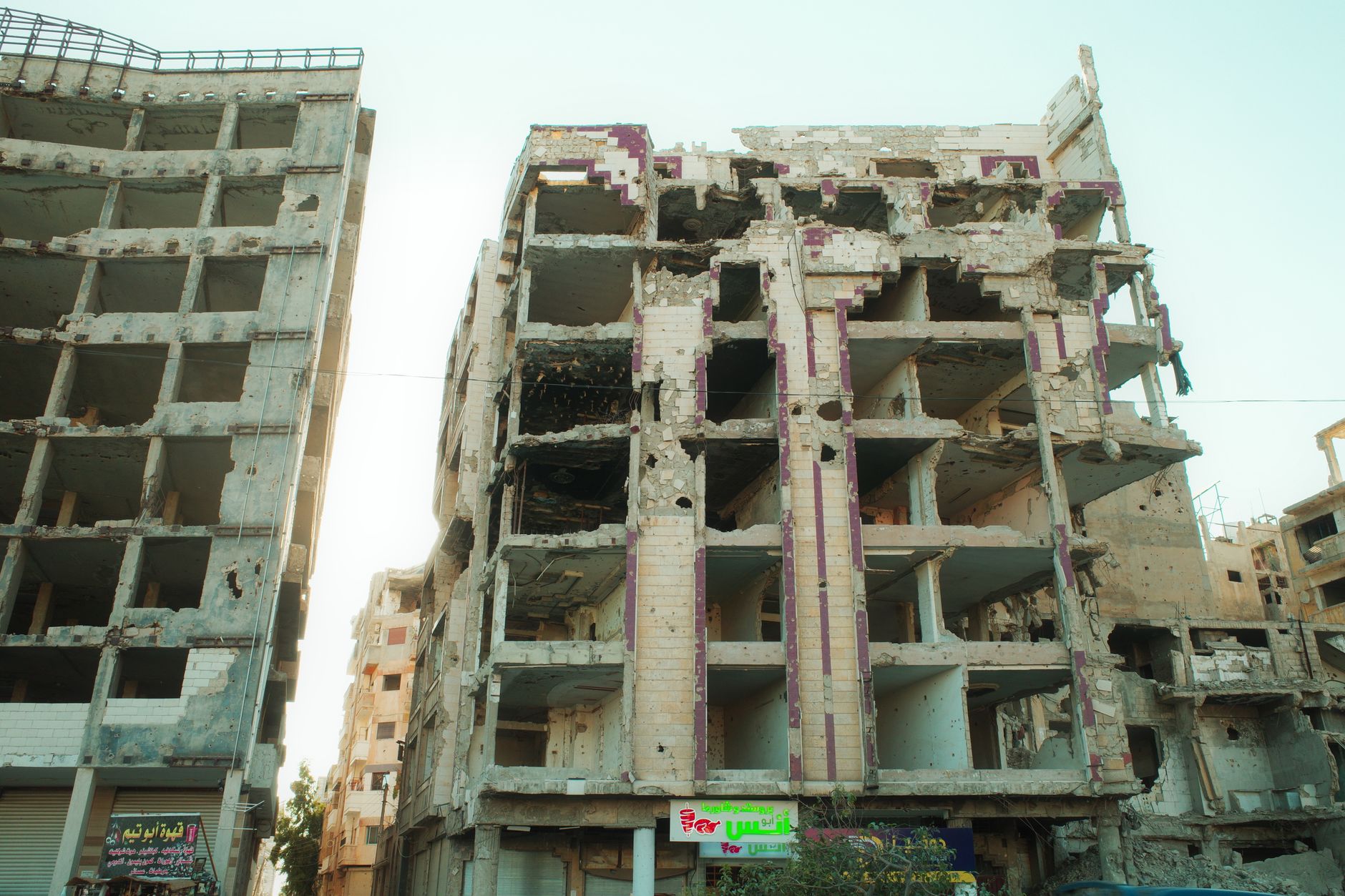
Impact of US-Iran War on India's Economic Stability
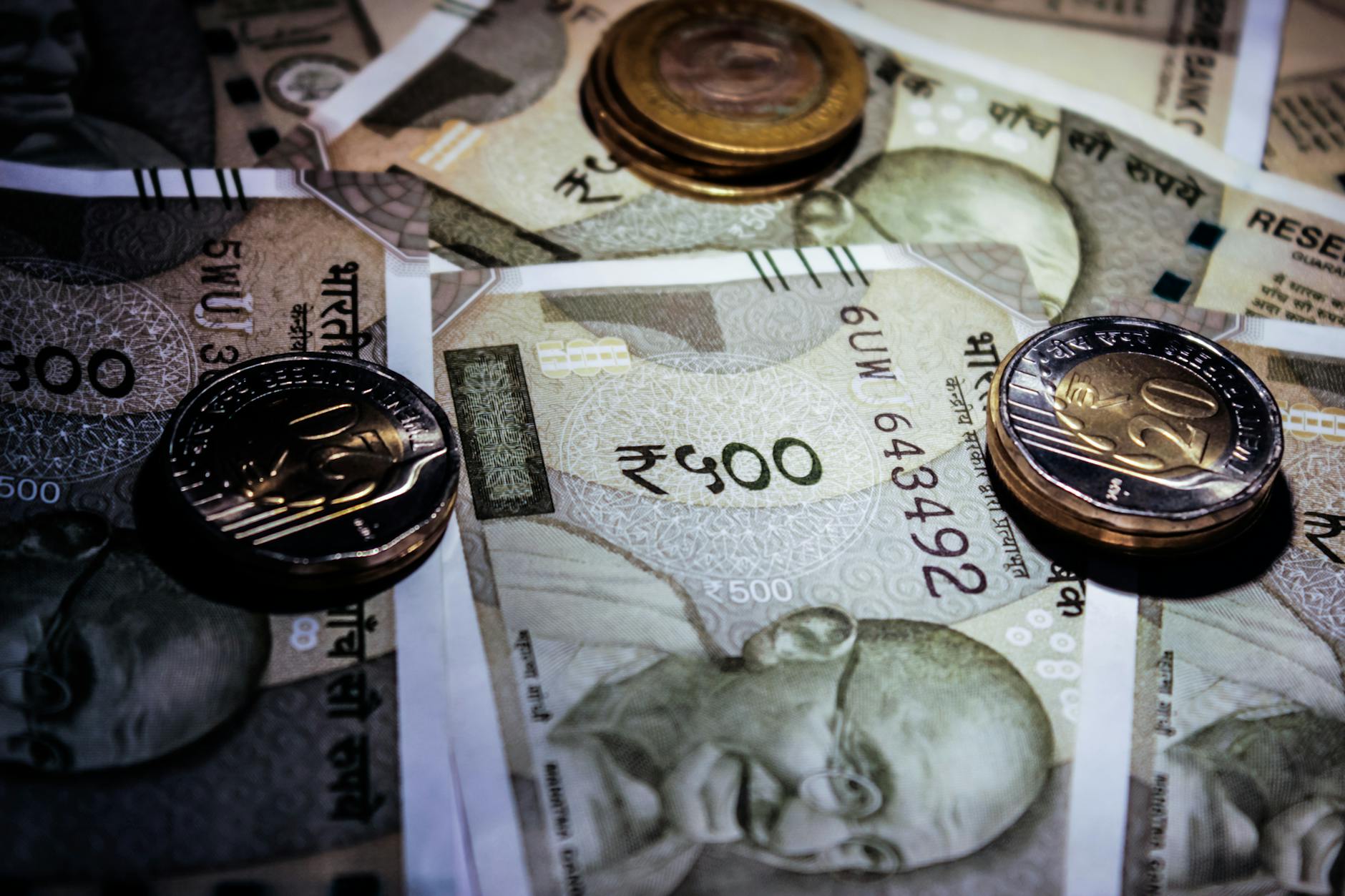
India Faces Economic Crisis Amid US-Iran Tensions
