
Iran Crisis Threatens India's Tourism Boom: Modi's Recovery Plan
Geopolitical tensions in Iran are disrupting India's hospitality sector recovery. Prime Minister Modi is pushing a fresh push to revive tourism and attract global visitors amid regional uncertainties.
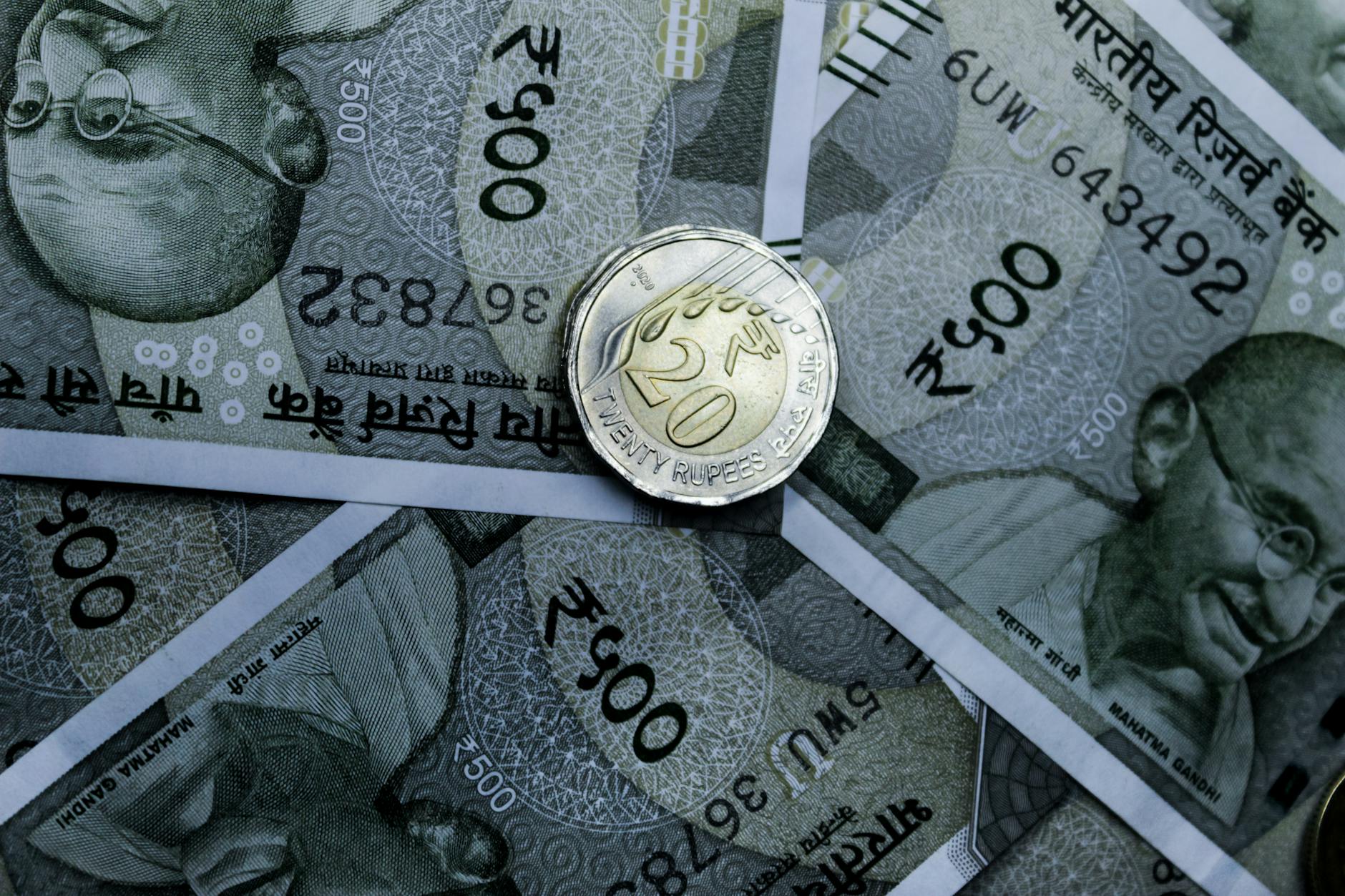
Iran Tensions Cloud India's Tourism Recovery
India's hospitality and tourism sectors, still recovering from pandemic-induced losses, face fresh headwinds from escalating geopolitical tensions in Iran. Regional instability is affecting flight schedules, travel decisions, and international tourist inflow—threatening the momentum of India's economic rebound.
The disruptions come as Prime Minister Narendra Modi has intensified efforts to position India as a premier global hospitality destination. His administration is banking on tourism recovery to drive employment, foreign exchange earnings, and broader economic growth.
Modi's Push to Revitalise Hospitality Sector
Prime Minister Modi has made reviving India's hospitality sector a key priority, recognizing its critical role in the nation's economic ecosystem. Tourism and hospitality together contribute significantly to India's GDP and employment, making sector recovery essential for post-pandemic growth.
The government has launched several initiatives to attract both domestic and international tourists. These measures include infrastructure improvements, simplification of visa processes, and promotional campaigns highlighting India's cultural and natural heritage.
Strategic Focus on Global Markets
Modi's administration is targeting key source markets for international tourism. Simplified e-visa procedures, enhanced airport facilities, and marketing campaigns across major tourism-generating countries are part of the broader strategy to increase visitor arrivals.
The hospitality sector, which includes hotels, restaurants, travel agencies, and entertainment venues, provides employment to millions of Indians. A robust tourism industry also strengthens local economies in tier-2 and tier-3 cities beyond traditional metros.
Iran Crisis: Direct Impact on Travel Patterns
Geopolitical tensions in Iran are creating immediate challenges for India's travel and tourism ecosystem. Flight disruptions, increased aviation costs, and passenger hesitation are reducing bookings for international travel through affected routes.
Airlines operating regional routes have faced operational delays and route suspensions. These disruptions increase travel times and costs, making India a less attractive destination for budget-conscious and time-sensitive international tourists.
Flight Operations and Travel Routes
The Middle East is a crucial transit hub for Indian travel. Many international flights to India pass through or originate from Gulf airports, making regional stability essential for smooth operations. Elevated security alerts in Iran and surrounding areas have forced re-routing of flights, increasing operational costs that are eventually passed to passengers.
Hotels, tour operators, and travel agencies in India report cancellations from Europe, North America, and Southeast Asia—regions heavily dependent on Middle Eastern transit routes. The uncertainty is particularly damaging during peak tourist seasons when advance bookings drive sector revenue.
Economic Impact on India's Tourism Numbers
India's tourism sector had been showing signs of recovery, with increasing foreign tourist arrivals in 2023 and projections for continued growth. The Iran situation threatens these gains by deterring bookings several months in advance.
Foreign exchange earnings from tourism—a key source of hard currency for India—face pressure from reduced international visitor numbers. Domestic tourism, though resilient, cannot fully offset losses from international arrivals, which typically spend significantly more per trip.
Employment and Livelihood Concerns
The hospitality workforce in India includes millions of workers in hotels, restaurants, travel services, and ancillary sectors. Reduced bookings translate directly into reduced work hours, frozen hiring, and potential layoffs in tourism-dependent regions.
Government Response and Forward Strategy
The Modi government is responding with dual strategies: managing short-term disruptions while maintaining long-term tourism growth targets.
Officials are engaging with tourism industry stakeholders to understand ground-level challenges. Discussions focus on extending financial support where necessary, improving domestic tourism marketing to offset international losses, and preparing contingency plans for sustained geopolitical uncertainty.
Domestic Tourism as Buffer
With international arrivals uncertain, the government is promoting domestic tourism aggressively. Increased leisure travel by Indian families during holidays can partially compensate for lost international revenue, though domestic tourism typically generates lower per-visitor earnings.
Infrastructure and Long-term Vision
Despite short-term headwinds, the government continues investments in tourism infrastructure—airport modernization, heritage site preservation, and destination development. These initiatives aim to strengthen India's competitive position once geopolitical tensions ease.
The hospitality sector recovery remains integral to India's broader economic objectives of job creation, regional development, and positioning India as a preferred global destination for business and leisure travel.
Frequently asked
How is the Iran crisis affecting India's tourism sector?+
Iran tensions are disrupting flight routes through the Middle East, increasing travel costs and causing cancellations. International tourists are hesitant to book India trips, impacting hotel bookings, tour operators, and travel agencies across the country.
What is Prime Minister Modi doing to revive India's hospitality sector?+
Modi's government has launched initiatives including simplified e-visa procedures, airport modernization, heritage site development, and international marketing campaigns targeting key tourist-generating nations to attract both domestic and international visitors.
Which routes are most affected by Iran tensions for Indian travel?+
Middle Eastern transit hubs, particularly Gulf airports, are critical for international flights to India. Iran tensions force flight re-routing through these regions, increasing costs and delays for travelers heading to India.
How many people does India's hospitality sector employ?+
India's tourism and hospitality sector employs millions of workers across hotels, restaurants, travel agencies, and ancillary services. Reduced bookings directly impact work hours and employment prospects in these segments.
Can domestic tourism offset losses from international tourist cancellations?+
Domestic tourism can provide partial relief but typically generates lower per-visitor revenue compared to international tourism. The government is promoting domestic travel while managing the long-term impact of reduced foreign exchange earnings.
Based on reports from Google News — Indian Economy.
More in Economy
View all →
Impact of US-Iran War on India's Economy and Stability

India's Economic Stability at Risk Amid US-Iran Tensions
India Faces Economic Challenges Amid Ongoing US-Iran Conflict
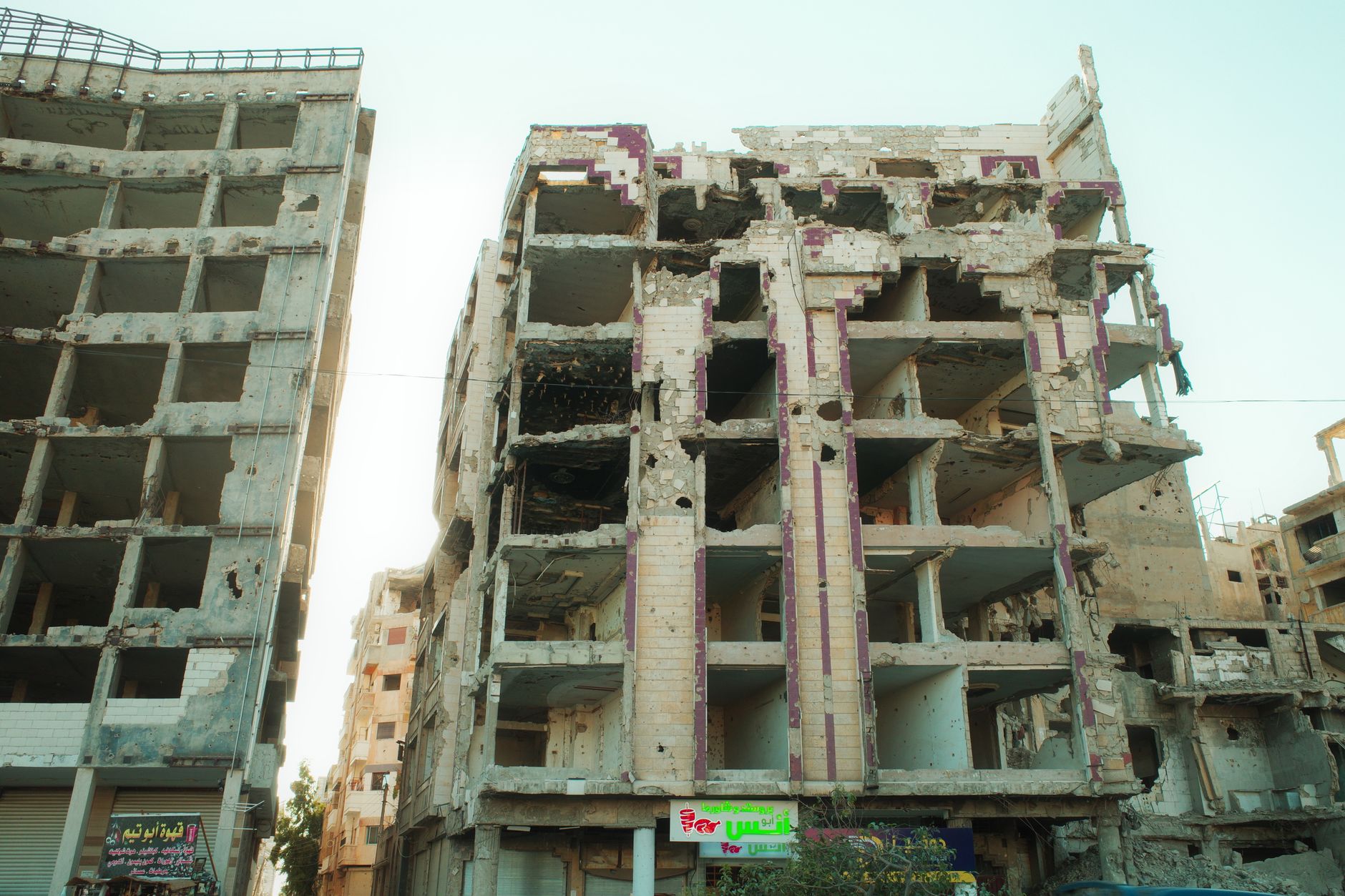
Impact of US-Iran War on India's Economic Stability
India Faces Economic Crisis Amid US-Iran Tensions
