
Medical Emergencies Drive Financial Anxiety in India's Middle Class
Healthcare costs are reshaping financial priorities for families.
BULLISH· HIGH

Advertisement
In recent years, the Indian middle class has shifted its primary concerns. While job security has long been a pressing issue, a new report highlights that medical emergencies have emerged as the dominant fear among this demographic. This change reflects the growing awareness of healthcare challenges and the financial burden that medical crises can impose on families.
The rising costs of healthcare in India have only intensified this anxiety. A study by the National Sample Survey Organisation (NSSO) reveals that nearly 70% of the middle class is worried about the affordability of medical care. With hospital expenses skyrocketing, many families struggle to cope with unexpected medical bills. This financial strain is prompting a reevaluation of financial planning strategies.
According to the NSSO, the average cost of hospitalization has increased by 300% over the last decade. This surge in expenses is forcing families to reconsider their savings strategies. Many are now prioritizing health insurance and emergency funds, which were not as critical in the past.
The awareness of health insurance is also on the rise. A survey conducted by the Insurance Regulatory and Development Authority of India (IRDAI) shows that 60% of middle-class families now have some form of health insurance, a significant increase from just 30% five years ago. However, many remain underinsured, with coverage often falling short of actual medical expenses.
Access to quality healthcare remains a major concern. Urban areas may have better facilities, but rural regions often lack adequate medical infrastructure. This disparity in healthcare access is pushing families to seek treatment in urban centers, leading to additional financial strain due to travel and accommodation costs.
The government has recognized the importance of addressing healthcare issues and has initiated various schemes aimed at improving access and affordability. However, the implementation of these programs has been inconsistent. Meanwhile, private healthcare providers are stepping in, offering innovative insurance products and payment plans to ease the burden on families.
As the middle class continues to grapple with these challenges, it is clear that medical emergencies will likely remain a top concern for the foreseeable future. Financial literacy and access to comprehensive health insurance will be crucial in helping families navigate these uncertainties. Additionally, increased government investment in healthcare infrastructure is essential to ensure that quality medical care is accessible to all. Based on reports from Google News — Finance India.
Market Impact
BULLISHThe rising healthcare costs may impact consumer spending and insurance sectors.
- →Increased demand for health insurance products.
- →Potential strain on disposable income for families.
- →Opportunities for private healthcare providers.
Stocks:RELIANCETCS
Sectors:BFSIIT
Horizon: long term
What to Watch Next 👀
Monitor upcoming government healthcare initiatives and insurance policy changes.
Advertisement
Frequently asked
What are the main concerns of the Indian middle class?+
The Indian middle class is primarily concerned about medical emergencies and rising healthcare costs.
How has health insurance awareness changed?+
Awareness has increased significantly, with 60% of families now having health insurance.
Based on reports from Google News — Finance India.
More in Markets
View all →
Renault and IIT Kanpur Collaborate for Vehicle Engineering
8h ago
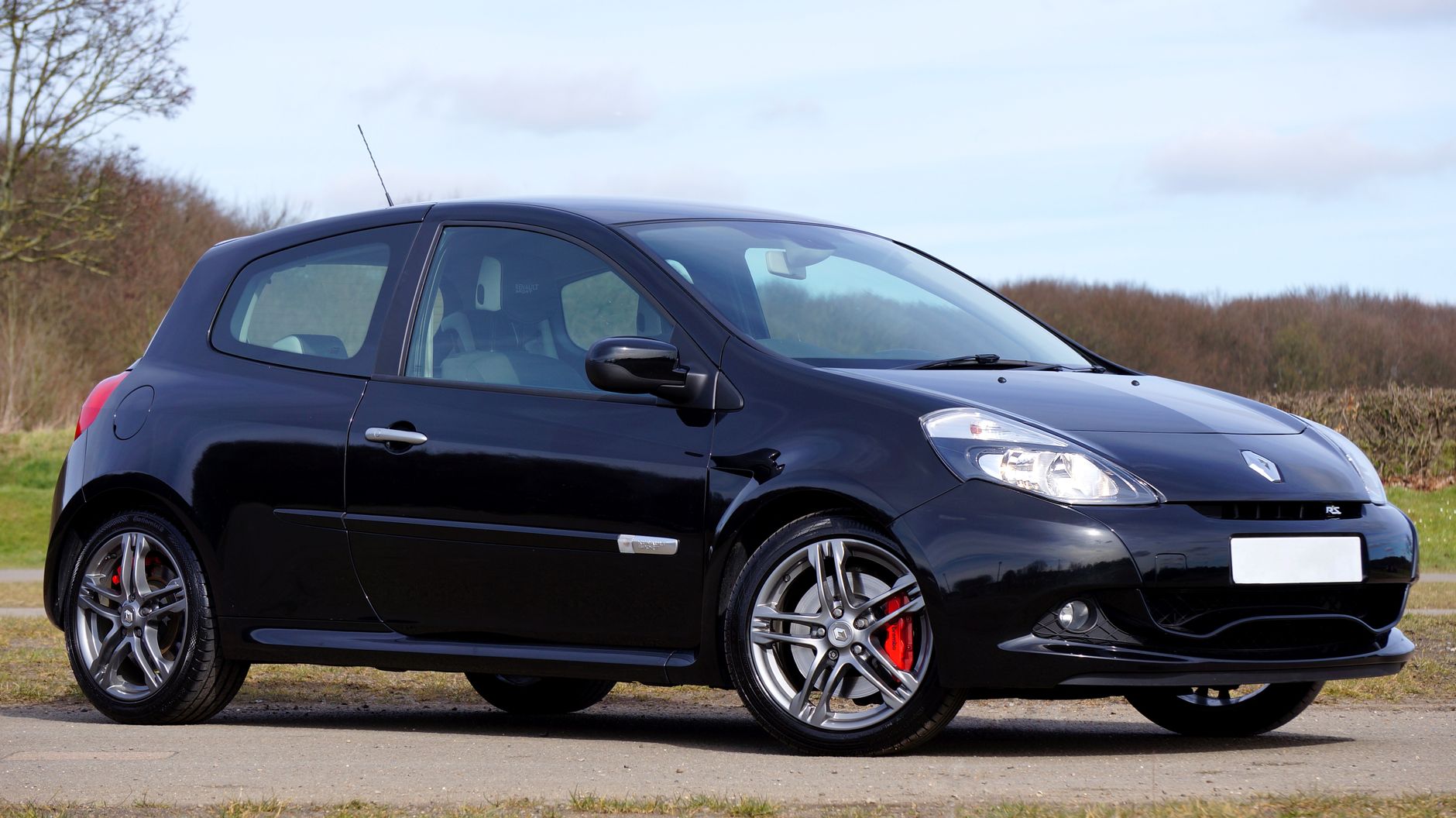
Renault Collaborates with IIT Kanpur for Vehicle Innovation
8h ago

Renault and IIT Kanpur Collaborate on Vehicle Engineering
8h ago
Renault and IIT Kanpur Collaborate on Vehicle Engineering
8h ago

Renault and IIT Kanpur Collaborate on Vehicle Engineering
8h ago

SP Group Launches First Dollar Debt Issue After Delays
10h ago
Advertisement