
India's Middle Class Adopts Dollar-Linked Lifestyle Amid Economic Growth
A shift in consumption and investment patterns reflects global trends.
BULLISH· HIGH
Advertisement
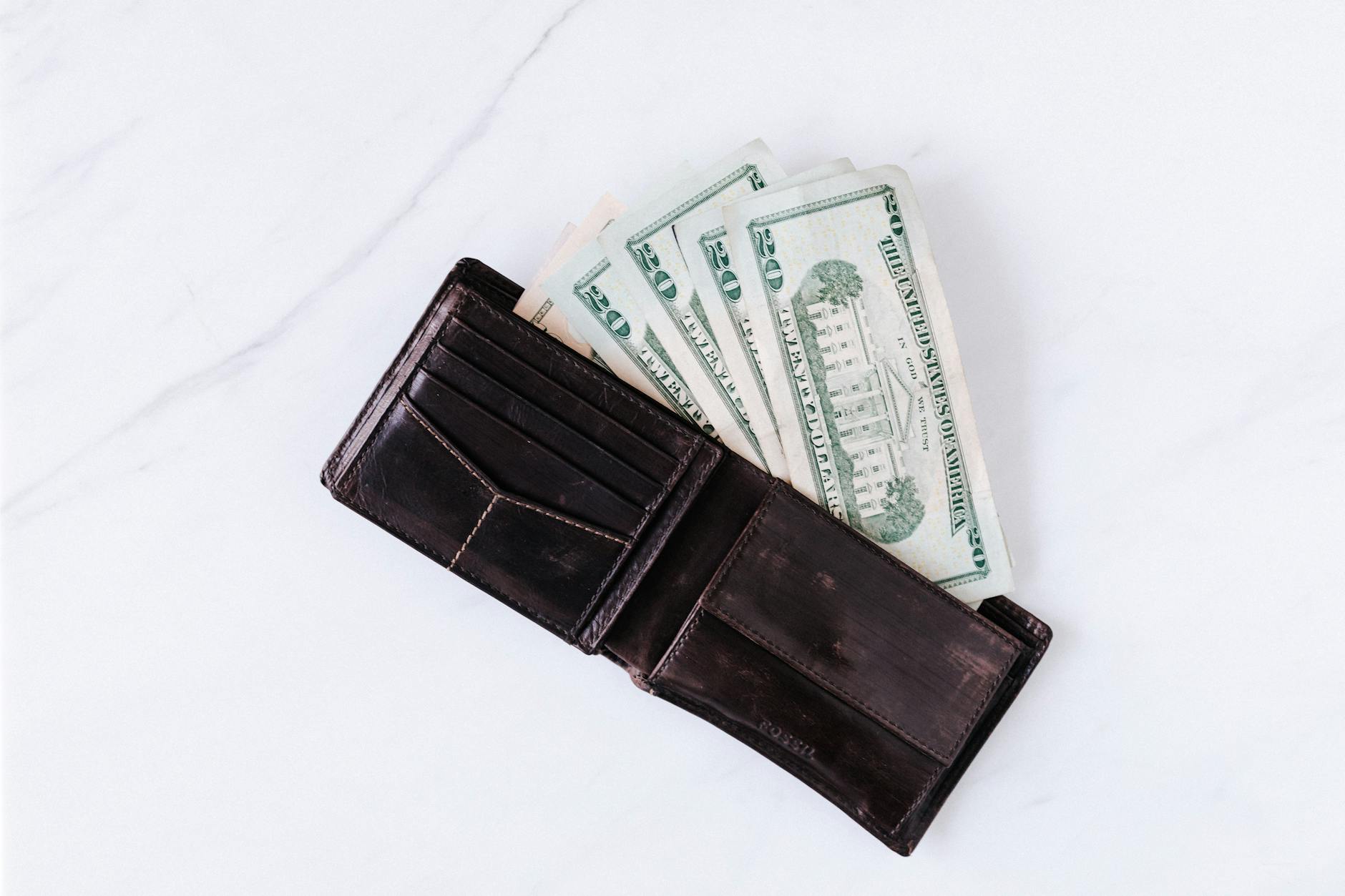
India's middle class is undergoing a notable transformation, with more households achieving financial stability. This demographic, known for its aspirational nature, is increasingly adopting a lifestyle influenced by global economic factors, particularly the strength of the US dollar.
As the Indian economy continues to expand, wealthier segments of the middle class are changing their consumption habits. Many are aligning their spending and investment strategies with global financial trends, especially those linked to the US dollar. This trend is observable across various sectors, particularly in travel, luxury goods, and technology.
Travel has become a cornerstone of the dollar-linked lifestyle. With international travel now more accessible, affluent Indian families are choosing overseas vacations. Popular destinations include the US, Europe, and Southeast Asia. This preference for international travel signifies not only leisure but also a desire for global experiences and cultural exposure.
The demand for luxury goods among India's middle class has also surged. High-end brands, often priced in dollars, are seeing increased interest. This trend stems from a desire to showcase wealth and status, with many consumers willing to pay a premium for international brands. The luxury market in India is projected to grow significantly, with sales of luxury products expected to rise in the coming years.
In addition to lifestyle changes, wealthier middle-class individuals are reevaluating their investment strategies. Many are diversifying their portfolios to include foreign assets, driven by the need to hedge against currency fluctuations and seize opportunities in international markets.
The fluctuation of the Indian rupee against the dollar has become a key concern for many investors. As the rupee depreciates, the cost of imported goods rises, prompting consumers to adjust their purchasing habits. This has led to increased interest in investments that can provide a buffer against currency risk, such as foreign stocks and mutual funds.
While the dollar-linked lifestyle offers numerous advantages, it also presents challenges. Dependence on foreign currencies can increase financial vulnerability, especially during economic uncertainty. Additionally, the widening gap between different income groups may heighten social tensions.
As the middle class expands, policymakers must ensure that economic growth is inclusive. Addressing the needs of lower-income groups is essential for fostering a balanced economic environment.
In conclusion, India's wealthier middle class is embracing a dollar-linked lifestyle, reflecting broader global economic trends. As this demographic continues to evolve, it will significantly shape consumption patterns and investment strategies in the country. The challenge remains for India to ensure that this growth is sustainable and inclusive for all segments of society. Based on reports from Google News — Finance India.
Market Impact
BULLISHThe shift towards a dollar-linked lifestyle indicates potential growth in luxury and travel sectors. Investors should monitor currency fluctuations closely.
- →Increased demand for luxury goods may boost related stocks.
- →Travel sector growth could benefit airlines and hospitality companies.
- →Investors may seek foreign assets for diversification.
Stocks:RELIANCETCS
Sectors:BFSIIT
Horizon: long term
What to Watch Next 👀
Monitor the performance of the Indian rupee against the dollar and upcoming economic data that could impact consumer behavior.
Advertisement
Frequently asked
How does the US dollar affect Indian consumers?+
The strength of the US dollar can increase the cost of imported goods, impacting purchasing decisions.
What sectors will benefit from a dollar-linked lifestyle?+
Sectors like luxury goods and travel are expected to see growth as more consumers spend on international brands and experiences.
Based on reports from Google News — Finance India.
More in Markets
View all →
Renault and IIT Kanpur Collaborate for Vehicle Engineering
6h ago
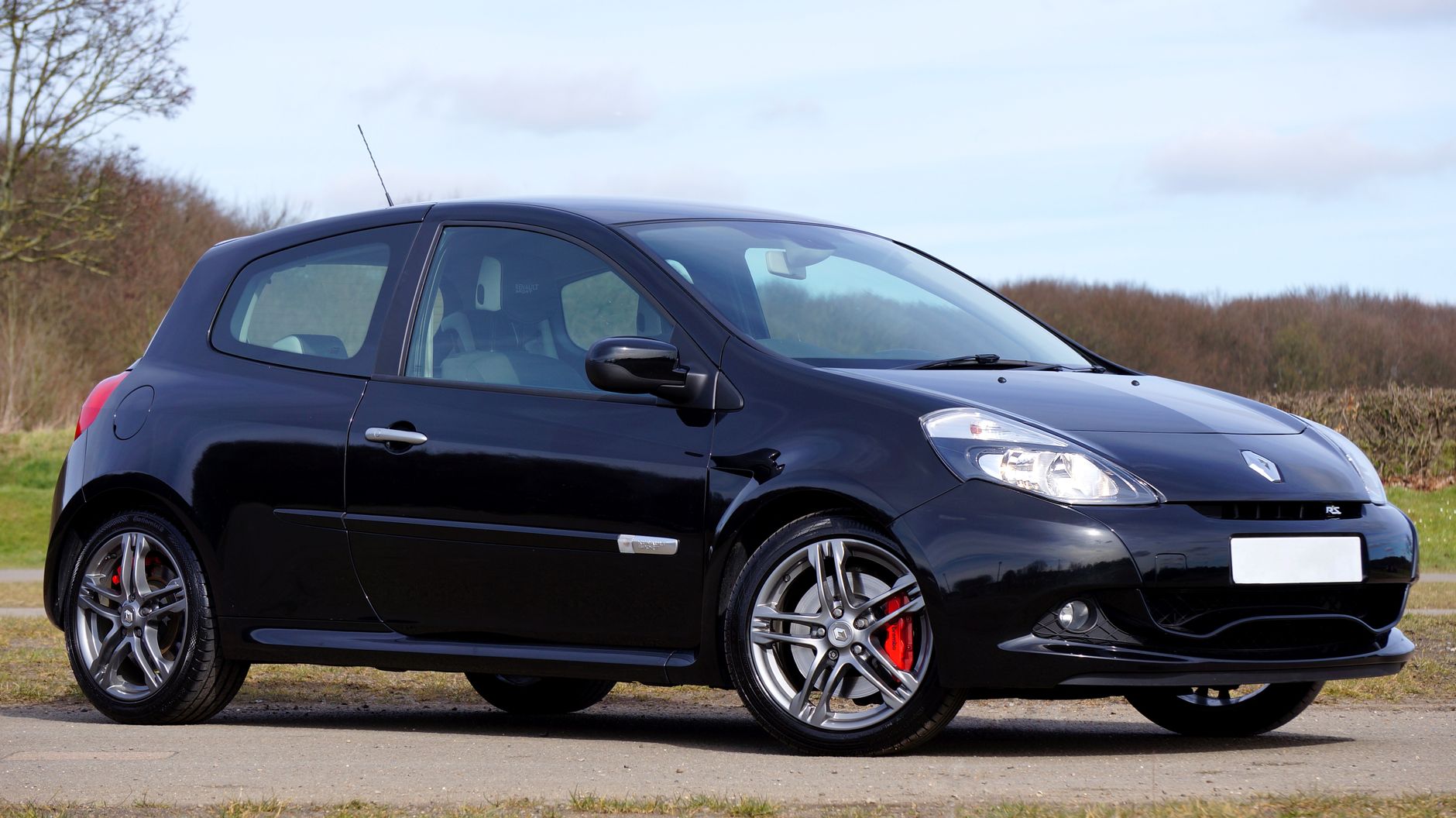
Renault Collaborates with IIT Kanpur for Vehicle Innovation
6h ago

Renault and IIT Kanpur Collaborate on Vehicle Engineering
6h ago
Renault and IIT Kanpur Collaborate on Vehicle Engineering
6h ago

Renault and IIT Kanpur Collaborate on Vehicle Engineering
6h ago

SP Group Launches First Dollar Debt Issue After Delays
8h ago
Advertisement