
India's Economy Grows 6.1% Despite Rupee Volatility Challenges
Strong domestic demand supports India's economic growth outlook.
BULLISH· HIGH
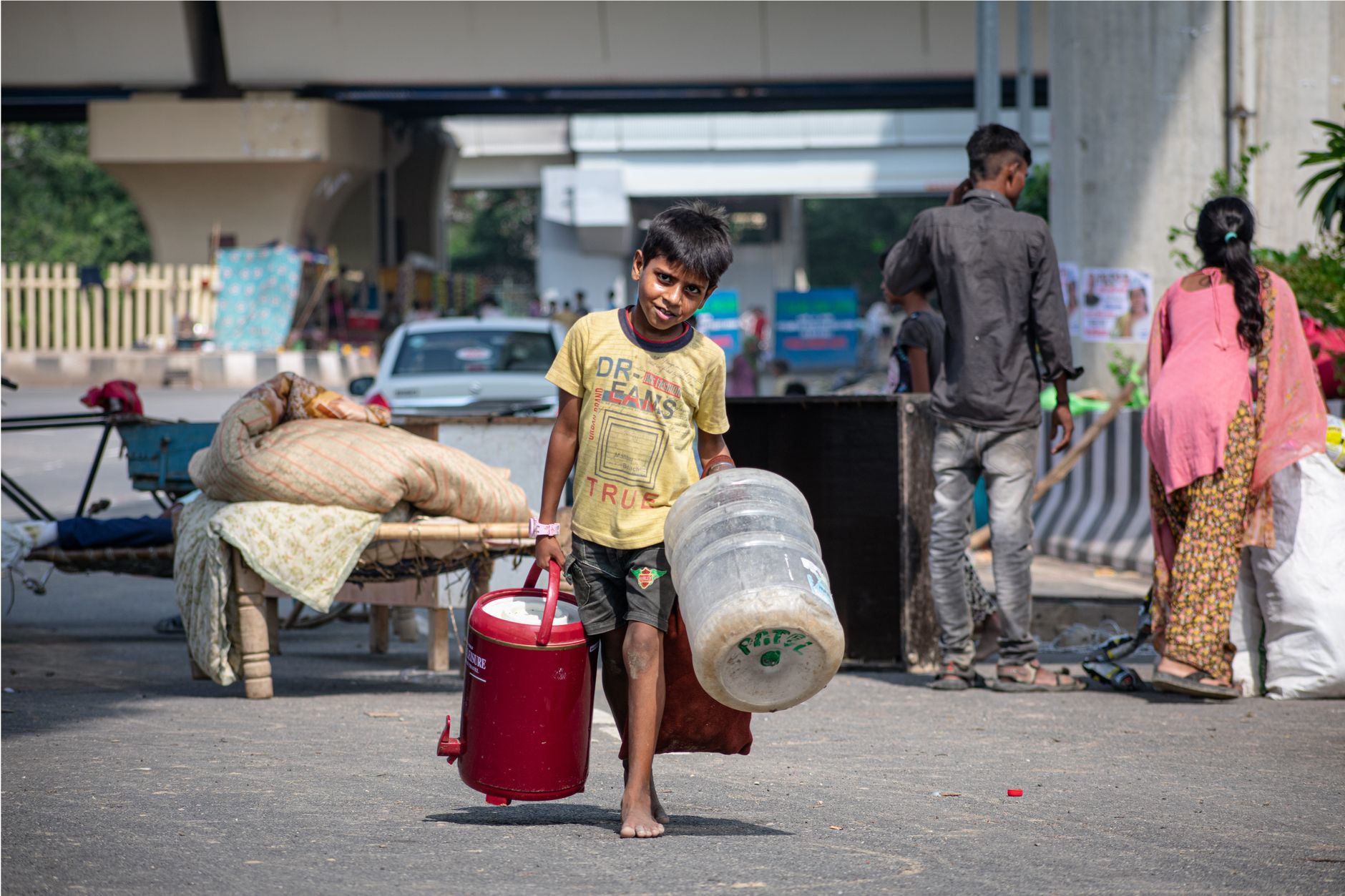
India's economy continues to show remarkable resilience, even as the Indian Rupee faces fluctuations that concern analysts and investors. Recent currency market volatility has not deterred the economy's overall growth trajectory, supported by strong domestic demand and recovery across various sectors.
The Indian Rupee has experienced significant fluctuations against major currencies, raising debates about its economic impact. However, the fundamentals of the Indian economy remain strong. The Reserve Bank of India (RBI) has intervened in the foreign exchange market to stabilize the currency, implementing measures to mitigate excessive volatility.
Several factors influence the recent movements of the Rupee, including global economic conditions, crude oil price changes, and foreign investment trends. The RBI's foreign exchange reserves, approximately $600 billion, provide a critical buffer against these fluctuations.
Despite currency volatility, various sectors of the Indian economy show recovery signs. The manufacturing sector, bolstered by government initiatives like 'Make in India', is gaining traction. Additionally, the services sector, which contributes significantly to GDP, thrives due to increased consumer spending and digital transformation.
The Indian government has rolled out several initiatives to boost economic growth and attract foreign investment. Policies focusing on infrastructure development, ease of doing business, and digital innovation are expected to enhance the economic environment. These efforts are vital for maintaining investor confidence during periods of currency instability.
Investor sentiment remains cautiously optimistic, with many analysts predicting continued economic growth despite currency fluctuations. The International Monetary Fund (IMF) projects India's GDP growth rate at around 6.1% for the fiscal year 2023-24, reflecting strong confidence in the country's economic resilience.
While the outlook remains positive, challenges such as rising inflation and geopolitical tensions could threaten economic stability. Policymakers must stay vigilant and proactive in addressing these issues to sustain growth and stabilize the Rupee.
In conclusion, India's economy navigates currency fluctuations with resilience. Strong domestic demand, supportive government policies, and a robust services sector position the country well for continued growth. As the global economic landscape evolves, India is poised to remain a key player on the international stage. Based on reports from Google News — Indian Economy.
Impact analysis
BULLISHIndia's economic resilience amid rupee volatility may boost investor confidence. This could lead to positive market movements in key sectors.
- →Strong GDP growth projections support market optimism
- →Government initiatives may enhance investor sentiment
- →Sectoral recovery indicates potential investment opportunities
Stocks:RELIANCETCS
Sectors:BFSIIT
Horizon: long term
What to watch next
Monitor upcoming inflation data and geopolitical developments that could impact economic stability.
Frequently asked
What is the current state of the Indian economy?+
India's economy is resilient, with strong growth projected despite currency fluctuations.
How does rupee volatility affect investors?+
Rupee volatility can create uncertainty, but strong fundamentals may provide investment opportunities.
Based on reports from Google News — Indian Economy.
More in Economy
View all →
Impact of US-Iran War on India's Economy and Stability
10h ago

India's Economic Stability at Risk Amid US-Iran Tensions
10h ago
India Faces Economic Challenges Amid Ongoing US-Iran Conflict
10h ago

Impact of US-Iran War on India's Economic Stability
10h ago
India Faces Economic Crisis Amid US-Iran Tensions
10h ago

India Emerges as a Solar Superpower with Skilled Workforce
22h ago