
India's Economy Shows Resilience Amid Rupee Volatility
Strong domestic demand supports growth despite global uncertainties.
BULLISH· HIGH

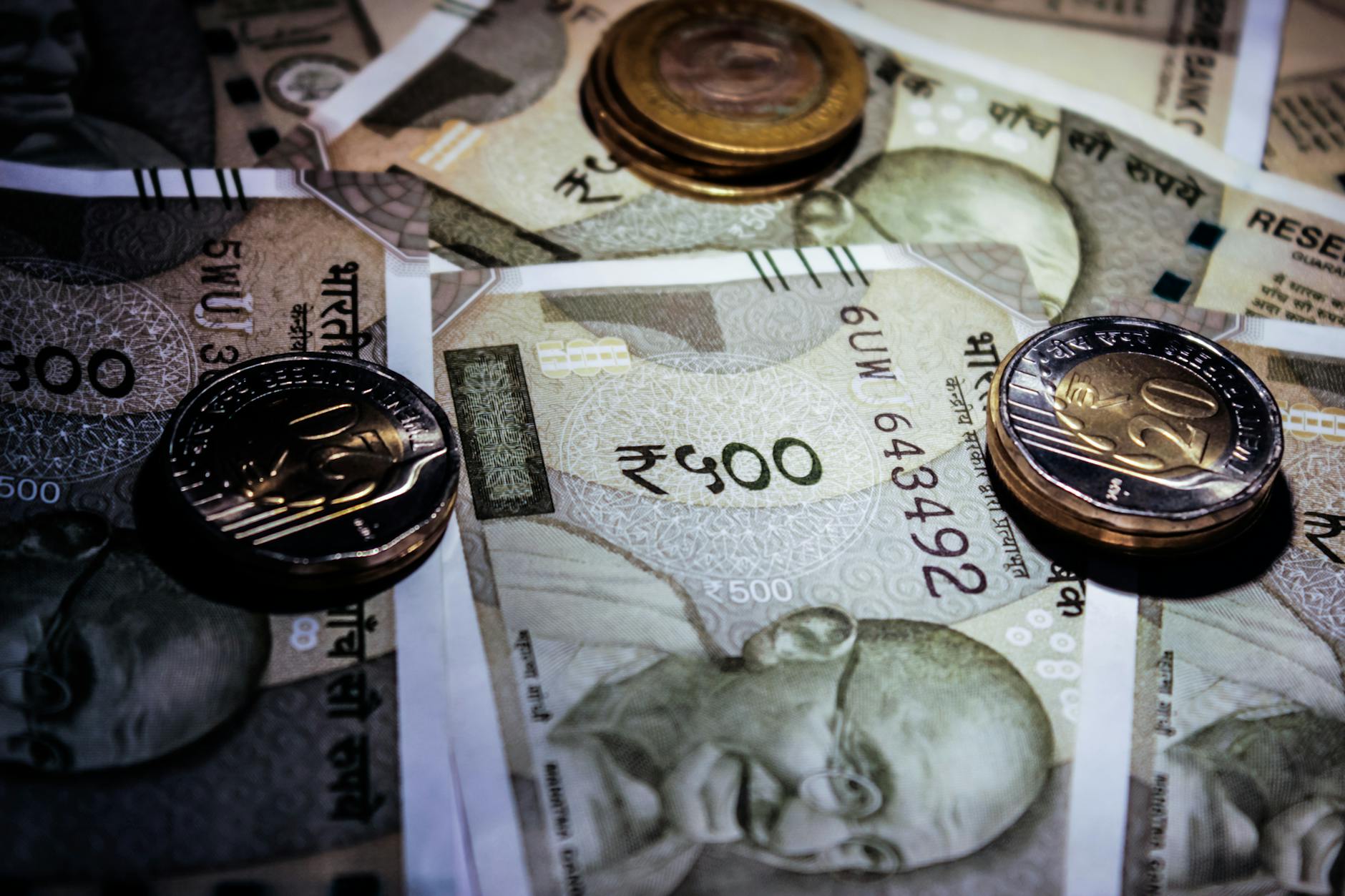
India's economy continues to demonstrate remarkable resilience despite the recent fluctuations in the rupee. Concerns about global economic conditions have not deterred the country's growth trajectory. Analysts indicate that India's strong fundamentals provide a buffer against external shocks, allowing it to maintain stability.
In recent months, the Indian rupee has experienced significant volatility. This fluctuation results from various factors, including global economic uncertainties, inflationary pressures, and geopolitical tensions. However, experts emphasize that the rupee's performance does not solely reflect the overall health of the Indian economy.
Globally, many emerging markets face similar challenges due to rising interest rates and inflation. The Indian government has introduced measures to stabilize the economy, including fiscal policies aimed at boosting domestic demand and attracting foreign investment. These initiatives are crucial for sustaining economic growth amid external pressures.
Domestic consumption remains a vital driver of India's economic growth. With a young population and increasing urbanization, the demand for goods and services continues to rise. This trend has bolstered the manufacturing sector, which plays a crucial role in job creation and economic stability.
To strengthen the economy, the Indian government has launched several initiatives. The 'Make in India' campaign promotes manufacturing and foreign direct investment. Additionally, the Goods and Services Tax (GST) has streamlined taxation, encouraging compliance and increasing government revenue.
Investment in infrastructure is also a key priority for the government. Major projects in transportation, energy, and urban development are underway, expected to create jobs and stimulate economic growth. These initiatives are essential for sustaining long-term economic stability.
Looking ahead, economists remain optimistic about India's economic prospects. While challenges such as inflation and global market volatility persist, the underlying strength of the economy provides a solid foundation for recovery. Continued reforms and strategic investments will be crucial in navigating the evolving economic landscape.
In conclusion, despite recent rupee fluctuations, India's economy showcases resilience and adaptability. With strong domestic demand, supportive government policies, and a focus on infrastructure development, the country is well-positioned to weather external challenges and maintain its growth trajectory. Based on reports from Google News — Indian Economy.
Impact analysis
BULLISHIndia's economic resilience may attract investor confidence despite rupee volatility. Strong domestic demand supports growth.
- →Rupee fluctuations may impact investor sentiment in the short term.
- →Government initiatives could enhance investor confidence.
- →Infrastructure investment may drive long-term economic growth.
Stocks:RELIANCETCS
Sectors:BFSIIT
Horizon: long term
What to watch next
Investors should monitor upcoming government policies and global economic indicators that may impact the rupee.
Frequently asked
What is causing the rupee to fluctuate?+
The rupee's fluctuations are due to global economic uncertainties, inflation, and geopolitical tensions.
How is the Indian government supporting the economy?+
The government is implementing fiscal policies, promoting manufacturing, and investing in infrastructure to support economic growth.
Based on reports from Google News — Indian Economy.
More in Economy
View all →
Impact of US-Iran War on India's Economy and Stability
10h ago

India's Economic Stability at Risk Amid US-Iran Tensions
10h ago
India Faces Economic Challenges Amid Ongoing US-Iran Conflict
10h ago

Impact of US-Iran War on India's Economic Stability
10h ago
India Faces Economic Crisis Amid US-Iran Tensions
10h ago

India Emerges as a Solar Superpower with Skilled Workforce
22h ago