
India's GDP Growth at 6.3% Despite Rupee Volatility
India's economy remains stable amid currency fluctuations and global pressures.
BULLISH· HIGH

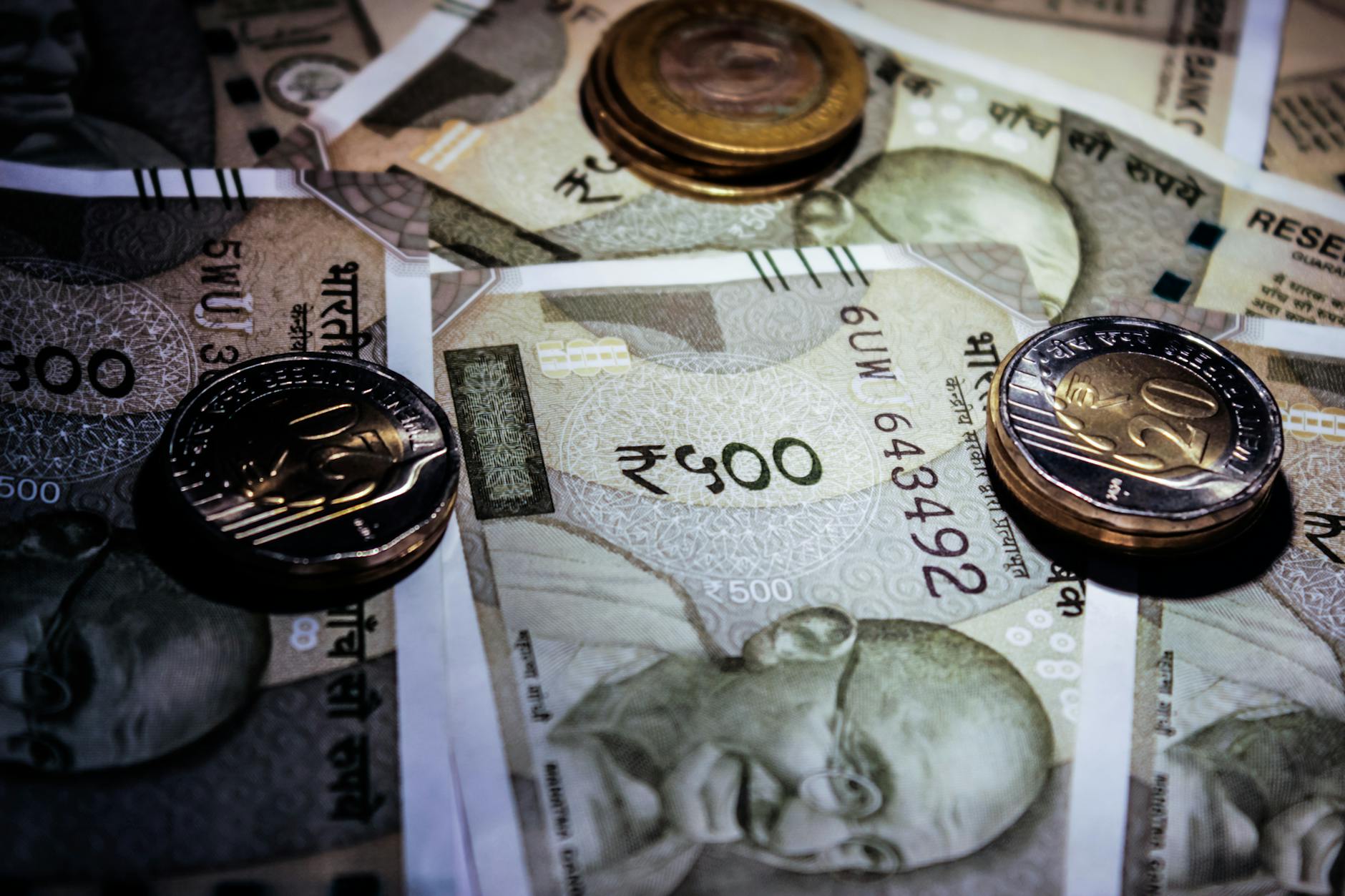
India's economy has shown impressive resilience despite ongoing fluctuations in the Indian Rupee's value. Recent trends indicate that while the Rupee has been volatile against major currencies, key economic indicators suggest a stable and growing economy.
The Indian Rupee has experienced significant fluctuations in recent months, influenced by global economic conditions, inflation rates, and geopolitical tensions. Currently, the Rupee trades at approximately ₹82 against the US Dollar, reflecting a depreciation from earlier this year. Analysts attribute this volatility to a mix of external pressures and domestic economic policies.
Several factors contribute to the Rupee's fluctuations. Global economic recovery in the United States and Europe has strengthened the Dollar, impacting the Rupee's value. Additionally, rising inflation in India raises concerns about the Rupee's purchasing power, further contributing to its fluctuations. Geopolitical tensions, including conflicts in various regions, create uncertainty in global markets, affecting currency stability.
Despite these challenges, India's economic growth trajectory remains positive. The International Monetary Fund (IMF) recently projected India's GDP growth at 6.3% for the fiscal year 2023-24. This growth is bolstered by robust domestic consumption, increased investment in infrastructure, and a strong agricultural sector.
The Indian government has enacted several reforms to attract foreign investment. Initiatives like the Production-Linked Incentive (PLI) scheme encourage companies to invest in manufacturing, enhancing economic stability. In the first quarter of 2023, foreign direct investment (FDI) inflows reached ₹1.74 lakh crore, reflecting strong investor confidence in India's economic potential.
In response to the Rupee's fluctuations, the Reserve Bank of India (RBI) has implemented measures to stabilize the currency. These include interventions in the foreign exchange market and adjustments to interest rates aimed at managing inflation. The RBI's proactive stance is designed to reassure investors and maintain confidence in the Indian economy.
Market analysts note that while a weaker Rupee raises concerns, it also presents opportunities for exporters. A depreciated Rupee makes Indian goods more competitive in international markets, potentially boosting export growth. The government is optimistic about leveraging this situation to enhance trade relations.
In conclusion, India's economy continues to showcase resilience despite Rupee fluctuations. With strong fundamentals and strategic government interventions, the country is well-positioned to navigate these challenges. As global economic conditions evolve, India remains a key player in the international market, with the potential for sustained growth and stability. Based on reports from Google News — Indian Economy.
Impact analysis
BULLISHThe resilience of India's economy amid Rupee fluctuations suggests positive market sentiment. Investors may find opportunities in export-oriented sectors.
- →India's GDP growth forecast at 6.3% indicates economic strength.
- →Government reforms are attracting foreign investment.
- →Weak Rupee could boost exports, benefiting certain sectors.
Stocks:RELIANCETCS
Sectors:BFSIIT
Horizon: both
What to watch next
Monitor upcoming inflation data and global economic trends that could impact the Rupee's value.
Frequently asked
What is the current exchange rate of the Rupee?+
The Rupee is currently trading at approximately ₹82 against the US Dollar.
How does a weaker Rupee affect the economy?+
A weaker Rupee can boost exports, making Indian products cheaper abroad, which may help the economy grow.
Based on reports from Google News — Indian Economy.
More in Economy
View all →
Impact of US-Iran War on India's Economy and Stability
10h ago

India's Economic Stability at Risk Amid US-Iran Tensions
10h ago
India Faces Economic Challenges Amid Ongoing US-Iran Conflict
10h ago

Impact of US-Iran War on India's Economic Stability
10h ago
India Faces Economic Crisis Amid US-Iran Tensions
10h ago

India Emerges as a Solar Superpower with Skilled Workforce
22h ago