
India Targets 500 GW Renewable Energy Capacity by 2030
Investors should watch India's clean energy transformation closely.
BULLISH· HIGH
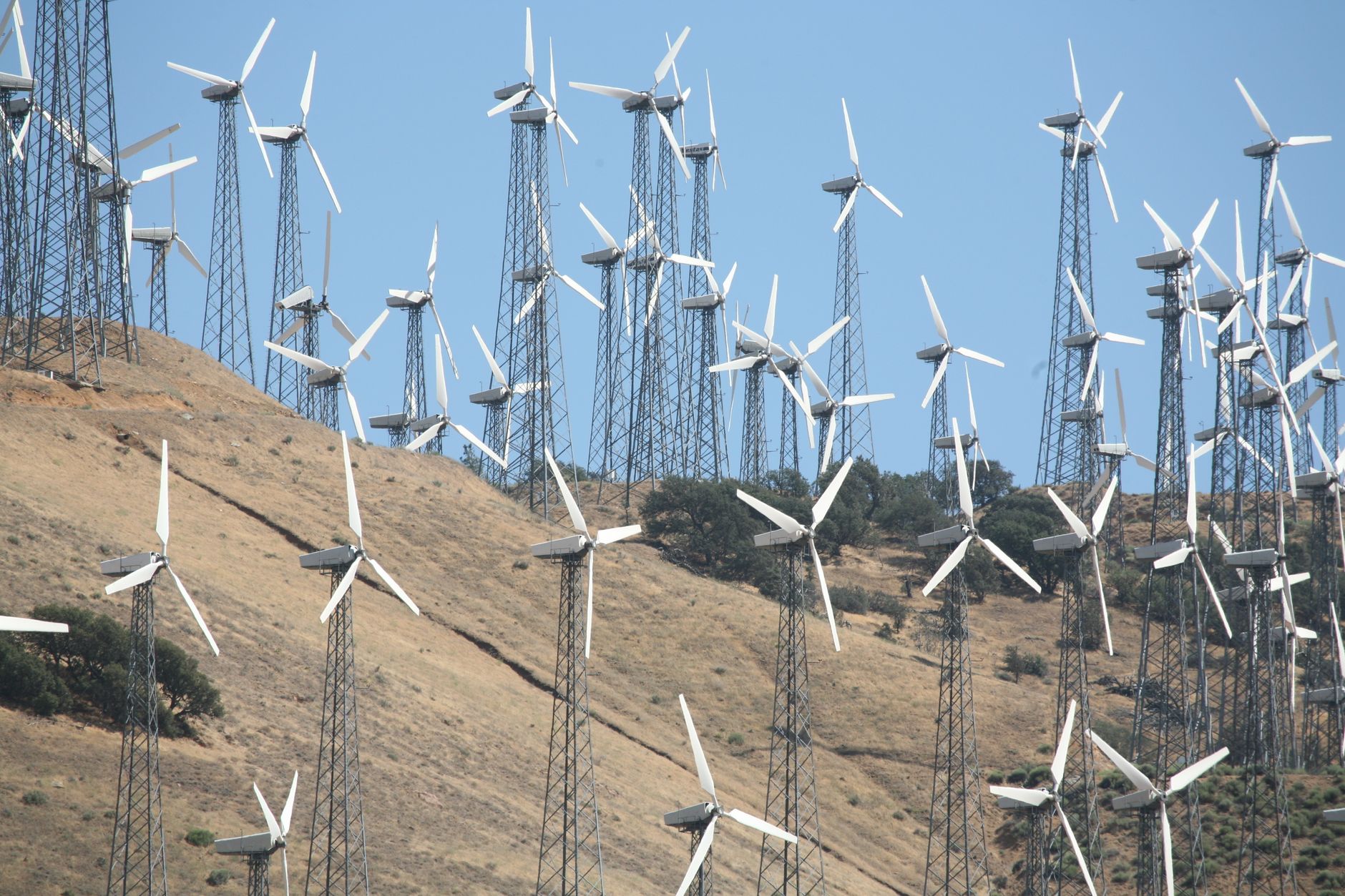
India is undergoing a significant transformation in its clean energy sector. The country has set an ambitious target to achieve 500 GW of renewable energy capacity by 2030. This initiative focuses on solar, wind, and hydropower, aiming to reduce carbon emissions while enhancing energy security and creating jobs in the process.
Investment trends indicate a robust future for this sector. According to the Institute for Energy Economics and Financial Analysis, investments in India's clean energy sector are expected to reach ₹10 lakh crore by 2030. This surge in funding is driven by both domestic and foreign investors who recognize the potential of renewable energy sources.
Several key drivers are fueling this investment growth. Government policies play a crucial role, as the Indian government has introduced various initiatives to support clean energy, including tax incentives, subsidies, and streamlined regulatory processes. Furthermore, global climate commitments, particularly under the Paris Agreement, have led India to emphasize renewable energy to reduce greenhouse gas emissions. Technological advancements in solar and wind energy have also significantly lowered production costs, making clean energy more competitive against fossil fuels.
Despite the positive outlook, challenges remain. Issues such as land acquisition, financing hurdles, and the need for improved grid infrastructure can hinder progress. Additionally, traditional energy sources still compete with renewables, potentially affecting investment flows.
To address these challenges, collaboration among stakeholders is essential. Enhancing the regulatory framework, ensuring timely project approvals, and investing in grid upgrades will create a more conducive environment for clean energy investments.
Corporates are increasingly pivotal in India's clean energy transition. Many companies are setting ambitious sustainability goals and investing in renewable energy projects. This trend not only helps them reduce their carbon footprint but also positions them as leaders in the emerging green economy.
Strategic partnerships between corporates, startups, and government entities can accelerate the development of clean energy projects. By pooling resources and expertise, these collaborations can drive innovation and improve project viability.
India's clean energy boom presents a unique opportunity for investors and stakeholders to capitalize on the transition to a sustainable energy future. By addressing existing challenges and fostering collaboration, India can solidify its position as a global leader in renewable energy. Based on reports from Google News — Finance India.
Impact analysis
BULLISHThe clean energy sector's growth signals positive momentum for Indian markets. Investors may find opportunities in renewable energy stocks.
- →Increased investments can drive stock prices in clean energy companies.
- →Government support may enhance investor confidence.
- →Technological advancements could lead to lower costs and higher returns.
Stocks:RELIANCETCS
Sectors:BFSIIT
Horizon: long term
What to watch next
Monitor upcoming government policies and global climate agreements that may impact investment flows.
Frequently asked
What is India's clean energy target?+
India aims to achieve 500 GW of renewable energy capacity by 2030.
How much investment is expected in clean energy?+
Investments are projected to reach ₹10 lakh crore by 2030.
Based on reports from Google News — Finance India.
More in Markets
View all →
EPFO 3.0 Proposal to Include Gig Workers in Pension Scheme
8h ago

EPFO 3.0 Proposal to Include Gig Workers in Pension Scheme
8h ago

EPFO 3.0 Proposal Aims to Include Gig Workers in Pension Scheme
8h ago

EPFO 3.0 Proposal to Include Gig Workers in Pension Scheme
8h ago

EPFO 3.0 Proposal Aims to Include Gig Workers in Pension Scheme
8h ago

India's 10-Year Bond Yield Faces Rising Borrowing Costs
9h ago