
India Faces Balance of Payments Deficit in Early FY27
Economic analysts express concerns over India's financial stability.
BEARISH· HIGH
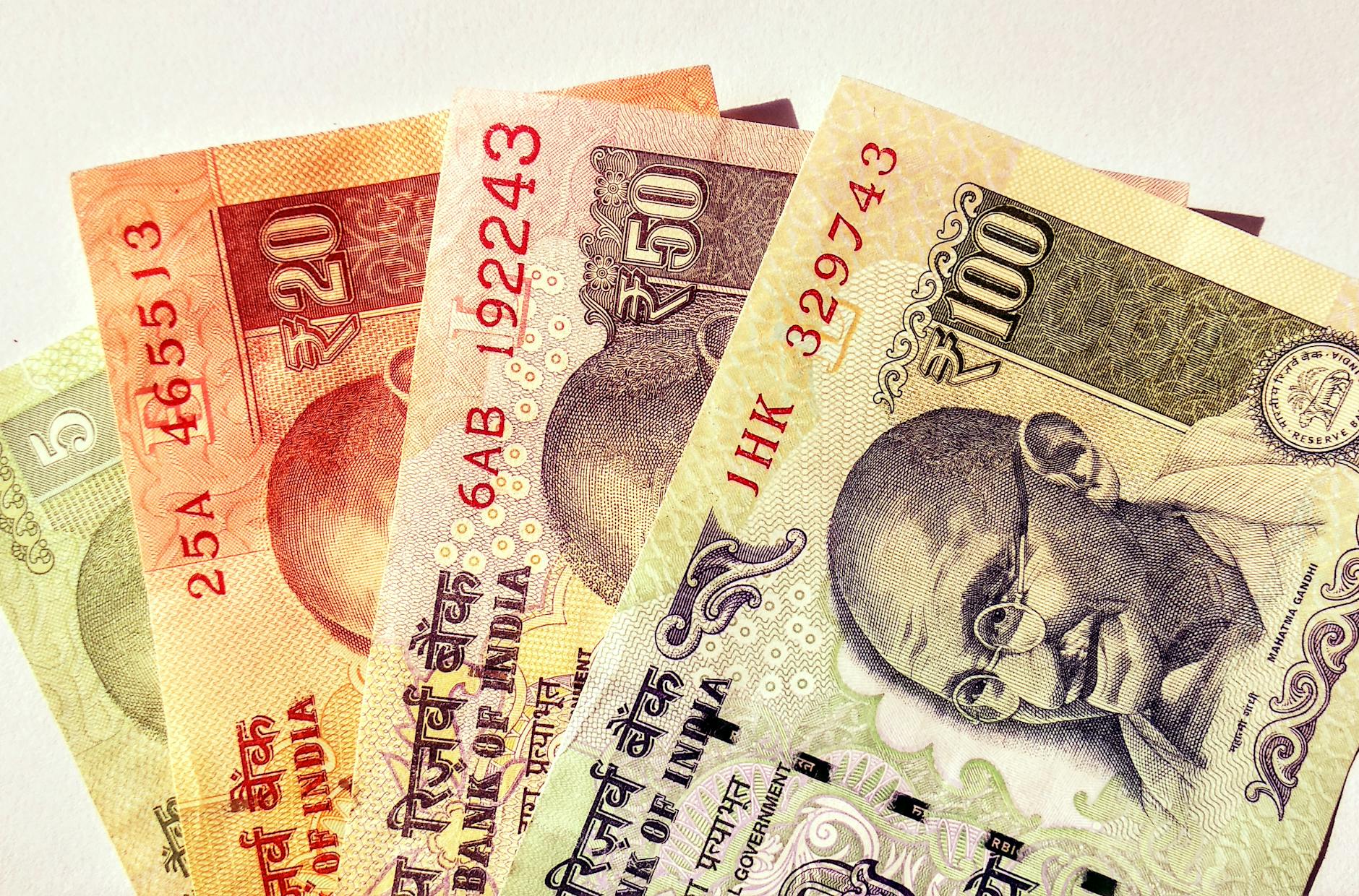
India's overall balance of payments (BoP) has recorded a deficit in the first two months of the financial year 2026-27 (FY27). This development raises alarms among economists and financial analysts, who are monitoring the implications for the country's economic stability and growth closely.
Recent data shows that the BoP deficit in the initial two months of FY27 reflects a significant shift from the surplus position seen in previous quarters. The deficit is primarily due to a widening current account deficit, influenced by rising imports and fluctuating export performance. The current account deficit, a crucial component of the BoP, has expanded due to increased imports of goods and services. Higher demand for crude oil, electronics, and gold has contributed to this trend.
Moreover, the global economic environment, characterized by supply chain disruptions and inflationary pressures, complicates India's trade dynamics. The transition to a BoP deficit is expected to exert pressure on India's foreign exchange reserves. As the country relies on foreign capital to finance its deficit, a sustained deficit could lead to a depletion of reserves, impacting the Indian rupee's stability. Financial experts recommend closely monitoring the situation to mitigate potential risks.
In light of these developments, the Indian government and the Reserve Bank of India (RBI) are likely to take proactive measures to address the emerging challenges. Possible interventions may include policy adjustments aimed at boosting exports and curbing unnecessary imports. Additionally, the RBI may consider monetary policy tools to stabilize the currency and manage inflation.
The future outlook for India's BoP remains uncertain, with various factors at play. Economists suggest that a recovery in global demand could help improve export performance, while domestic measures to enhance competitiveness are essential for long-term sustainability. Stakeholders are advised to stay informed about policy changes and market trends as the situation evolves.
The shift to a BoP deficit in the early months of FY27 underscores the need for vigilance among policymakers and economic stakeholders. As India navigates these challenges, strategic actions will be crucial to ensure economic resilience and growth in the coming months. Based on reports from Google News — Banking India.
Impact analysis
BEARISHThe BoP deficit may lead to increased market volatility. Investors should prepare for potential currency fluctuations.
- →Increased pressure on Indian rupee stability
- →Possible rise in inflation due to higher import costs
- →Potential government and RBI interventions to stabilize the economy
Stocks:RELIANCETCS
Sectors:BFSIIT
Horizon: short term
What to watch next
Monitor upcoming government policies and RBI announcements that may impact the economy and currency stability.
Frequently asked
What is the balance of payments?+
The balance of payments is a record of all economic transactions between residents of a country and the rest of the world.
How does a BoP deficit affect me?+
A BoP deficit can lead to currency depreciation, which may increase the cost of imported goods and affect inflation.
Based on reports from Google News — Banking India.
More in Banking
View all →
IndusInd Bank Reports Increased Quarterly Profit Amid Lower Provisions
7h ago

IndusInd Bank Reports Increase in Quarterly Profit
7h ago
IndusInd Bank Reports Increased Profit Amid Lower Provisions
7h ago

IndusInd Bank Reports Increased Quarterly Profit Amid Lower Provisions
7h ago

IndusInd Bank Reports Increased Quarterly Profit Amid Lower Provisions
7h ago

India's Bond Yield Risks Could Raise Borrowing Costs
9h ago