
India Reports Balance of Payments Deficit in Early FY27
Concerns rise over economic stability amid widening current account deficit
BEARISH· HIGH
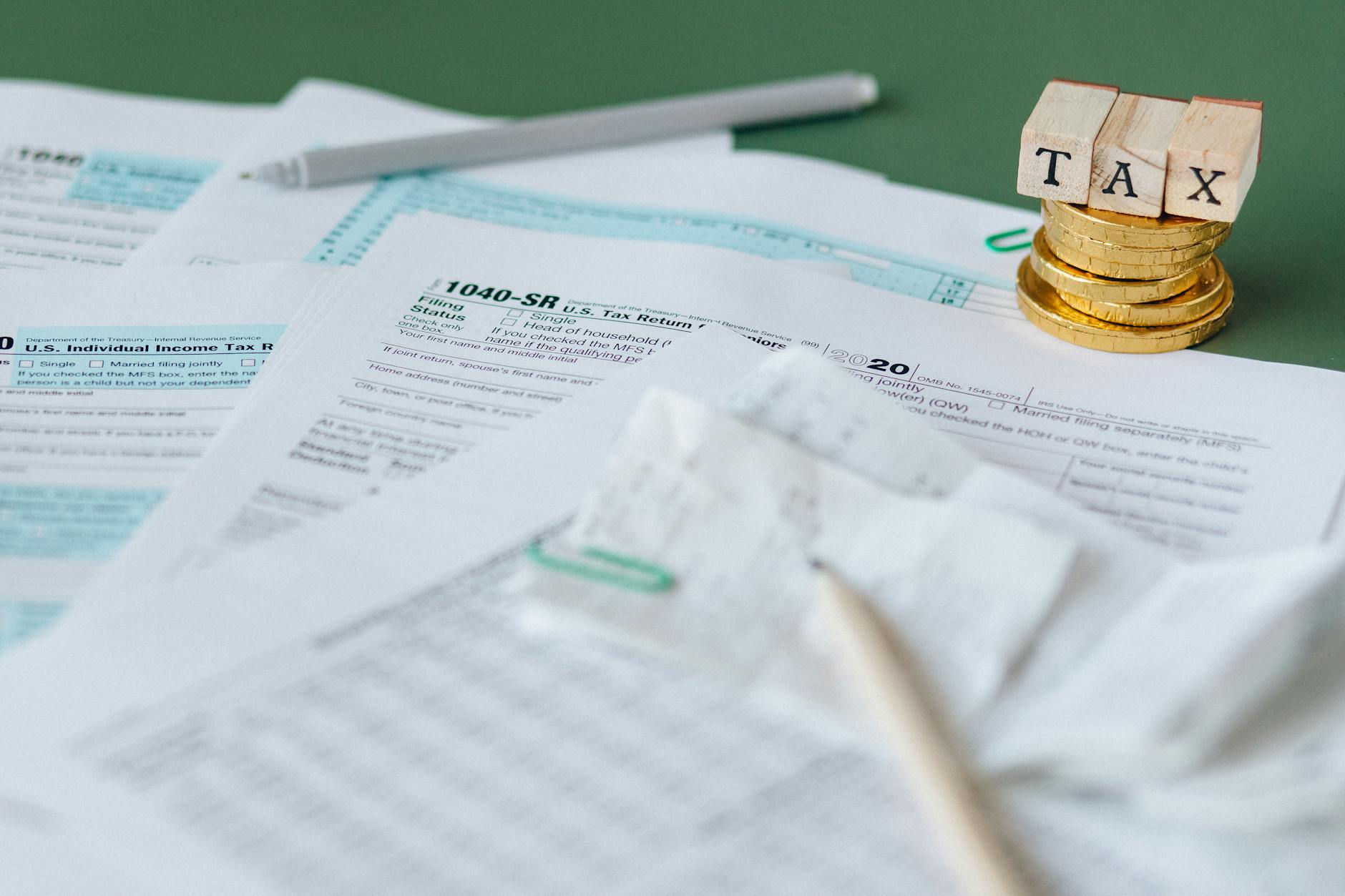
India's overall balance of payments (BoP) has reported a deficit in the first two months of the fiscal year 2026-27 (FY27). This shift from a surplus to a deficit raises concerns among economists and policymakers about the potential implications for the country's economic stability. During April and May of FY27, India's BoP recorded a deficit, contrasting sharply with the surplus reported in the previous fiscal year. The current account deficit has widened significantly, largely driven by increased imports and a slowdown in export growth. The Reserve Bank of India (RBI) is closely monitoring these developments to assess the potential economic impact. Several factors have contributed to the deterioration of India's BoP. The surge in global commodity prices has led to a significant rise in import bills, particularly for crude oil and gold. Additionally, ongoing geopolitical tensions and supply chain disruptions have further exacerbated the situation, limiting the growth of exports. The transition to a deficit in the BoP is concerning for various reasons. A persistent current account deficit can put pressure on the Indian rupee, leading to depreciation. This depreciation could result in higher inflation, as imported goods become more expensive. Furthermore, a weaker currency may deter foreign investment, which is crucial for sustaining economic growth. In response to the emerging deficit, the Indian government and the RBI are expected to implement measures to stabilize the economy. These may include tightening monetary policy, managing foreign exchange reserves, and enhancing export incentives. The aim will be to restore balance in the BoP and support the rupee. Looking ahead, the outlook for India's BoP will depend on various factors including global economic conditions, commodity prices, and domestic policy responses. Analysts suggest that a proactive approach is necessary to address the current challenges and ensure that the economy remains on a growth trajectory. Based on reports from Google News — Banking India.
Impact analysis
BEARISHThe BoP deficit may negatively impact investor sentiment and currency stability.
- →Increased pressure on the Indian rupee could lead to depreciation.
- →Higher inflation may affect consumer spending and investment.
- →Foreign investment might decline amid economic uncertainties.
Stocks:RELIANCETCS
Sectors:BFSIIT
Horizon: short term
What to watch next
Investors should monitor global commodity prices and RBI policy changes for potential impacts on the economy.
Frequently asked
What is a balance of payments deficit?+
A balance of payments deficit occurs when a country spends more on imports than it earns from exports.
How does a BoP deficit affect the economy?+
A BoP deficit can lead to currency depreciation, higher inflation, and reduced foreign investment.
Based on reports from Google News — Banking India.
More in Banking
View all →
IndusInd Bank Reports Increased Quarterly Profit Amid Lower Provisions
7h ago

IndusInd Bank Reports Increase in Quarterly Profit
7h ago
IndusInd Bank Reports Increased Profit Amid Lower Provisions
7h ago

IndusInd Bank Reports Increased Quarterly Profit Amid Lower Provisions
7h ago

IndusInd Bank Reports Increased Quarterly Profit Amid Lower Provisions
7h ago

India's Bond Yield Risks Could Raise Borrowing Costs
9h ago