
Indian Textiles Sector Growth Driven by Productivity and Sustainability
The textiles industry is on an upcycle with key government support.
BULLISH· HIGH
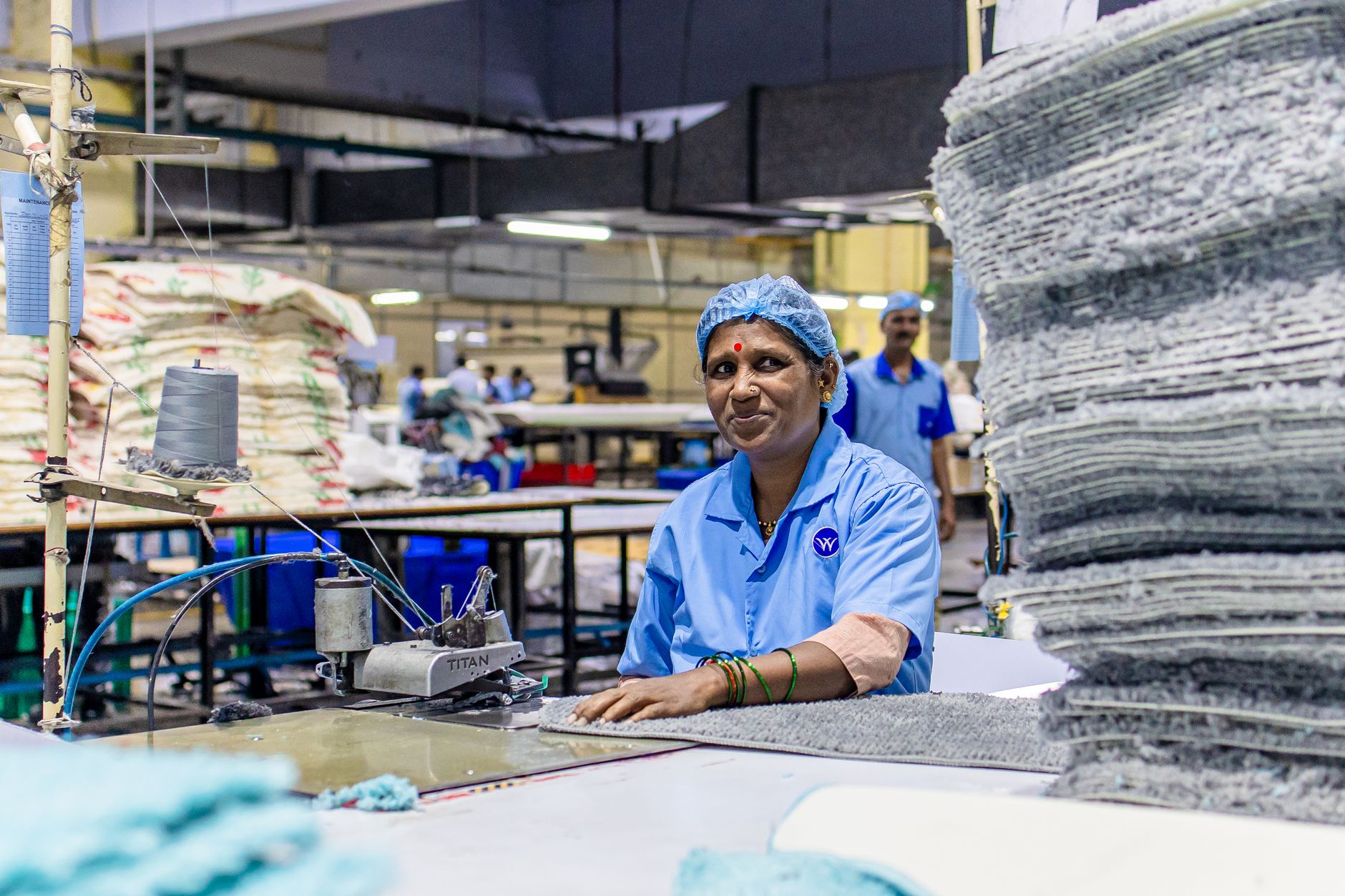
The Indian textiles industry is currently experiencing a significant upcycle, highlighting a period of growth and opportunity. This resurgence is driven by increased global demand, technological advancements, and a strategic focus on enhancing productivity. As the sector evolves, stakeholders recognize that improving productivity is crucial for sustaining this growth trajectory.
Several factors contribute to the current upcycle in the Indian textiles sector. The global demand for textiles has surged, particularly post-COVID-19, as consumers shift towards comfortable and versatile clothing. Government initiatives, such as the Production-Linked Incentive (PLI) scheme, have fostered a favorable environment for growth by incentivizing manufacturers to boost production and enhance quality.
The Indian government has introduced several initiatives aimed at revitalizing the textiles industry. The PLI scheme encourages manufacturers to increase output and improve standards. This initiative is expected to attract investments and create jobs, further propelling the sector's growth. Moreover, improvements in infrastructure, including logistics and supply chain management, are vital for supporting the industry's expansion.
While the upcycle presents numerous opportunities, the emphasis on productivity cannot be overstated. Experts assert that enhancing productivity is essential for maintaining competitiveness in the global market. This involves adopting advanced technologies, optimizing production processes, and investing in workforce skill development.
The integration of technology into the textiles sector has been transformative. Automation, data analytics, and artificial intelligence are increasingly utilized to streamline operations and improve efficiency. Smart manufacturing practices allow companies to minimize waste and reduce production costs, which can enhance profit margins.
Despite the positive outlook, the Indian textiles industry faces challenges. Fluctuating raw material prices, supply chain disruptions, and competition from other textile-producing countries can hinder growth. Additionally, the demand for sustainable practices is rising, as consumers now prefer environmentally friendly products.
As the industry grows, there is a pressing need for sustainability. Companies are adopting eco-friendly practices, such as using organic materials and reducing water consumption during production. By prioritizing sustainability, the Indian textiles sector can meet consumer expectations and comply with global standards, enhancing its reputation in international markets.
In conclusion, the Indian textiles sector is entering a promising phase marked by growth and innovation. To capitalize on this upcycle, stakeholders must prioritize productivity and sustainability. By embracing technological advancements and adapting to market demands, the industry can secure its position as a global leader in textiles. Based on reports from Google News — Indian Economy.
Impact analysis
BULLISHThe growth in the textiles sector may boost investor confidence and attract more capital. This can lead to increased activity in related sectors.
- →Increased demand may drive up stock prices in the textiles sector.
- →Government support could enhance investor sentiment.
- →Sustainability initiatives may attract socially responsible investors.
Stocks:RELIANCETCS
Sectors:TextilesManufacturing
Horizon: long term
What to watch next
Investors should monitor upcoming government policies and global demand trends that could impact the textiles sector.
Frequently asked
What is driving the growth in the Indian textiles sector?+
The growth is driven by increased global demand, government initiatives, and technological advancements.
How important is sustainability in textiles?+
Sustainability is crucial as consumers prefer eco-friendly products, and it helps companies comply with global standards.
Based on reports from Google News — Indian Economy.
More in Economy
View all →
Impact of US-Iran War on India's Economy and Stability
10h ago

India's Economic Stability at Risk Amid US-Iran Tensions
10h ago
India Faces Economic Challenges Amid Ongoing US-Iran Conflict
10h ago

Impact of US-Iran War on India's Economic Stability
10h ago
India Faces Economic Crisis Amid US-Iran Tensions
10h ago

India Emerges as a Solar Superpower with Skilled Workforce
22h ago