
Indian Economy Remains Robust, Says Arvind Panagariya
Economist Arvind Panagariya pushes back against Surjit Bhalla's pessimistic outlook, arguing that India's economic fundamentals remain sound despite recent headwinds.
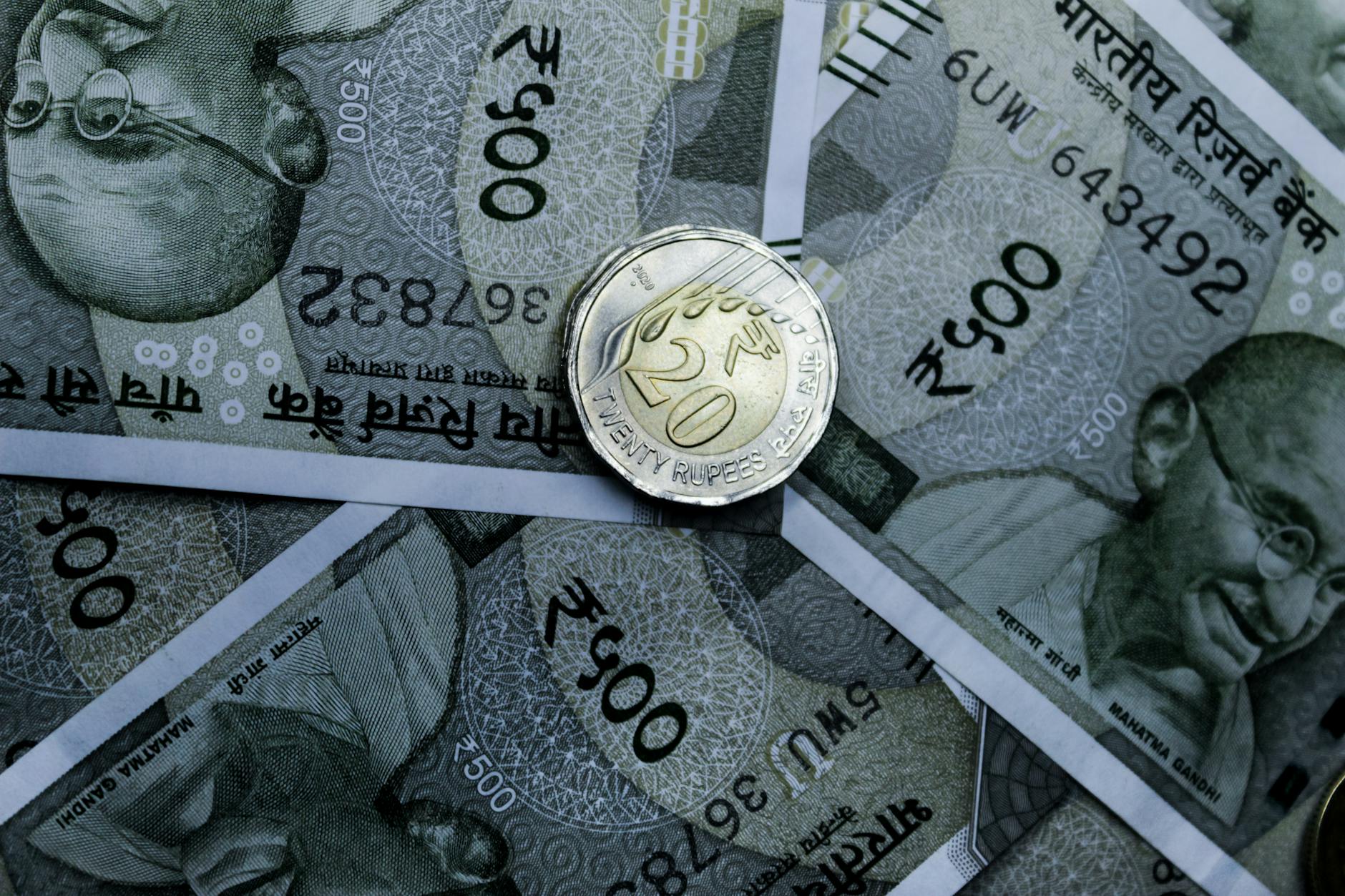
Economist Arvind Panagariya has countered recent warnings from fellow economist Surjit Bhalla, asserting that India's economy continues to demonstrate underlying strength despite cyclical challenges. In a forceful rebuttal, Panagariya characterised Bhalla's concerns as alarmist, maintaining that the structural fundamentals supporting growth remain intact.
The Debate Over India's Economic Health
The disagreement between the two prominent economists reflects a broader debate within India's policy circles about the trajectory of the nation's economy. While Bhalla has raised concerns about slowing growth and economic headwinds, Panagariya argues that such pessimism overlooks the resilience built into India's economic model.
Panagariya's position centres on the view that temporary slowdowns should not be conflated with structural weakness. He points to India's capacity for recovery and the underlying strength of domestic demand as key factors supporting continued expansion.
Why Panagariya Sees Continued Robustness
Structural Fundamentals Remain Intact
According to Panagariya, India's long-term growth drivers—including demographic dividends, rising consumer spending, and investment in manufacturing—continue to operate in the economy's favour. These elements, he argues, are not easily derailed by short-term fluctuations.
The economist emphasises that cyclical downturns are a normal part of economic growth trajectories. Rather than signalling systemic failure, such periods often precede renewed acceleration as businesses recalibrate and consumer behaviour adjusts.
Domestic Demand Provides a Buffer
Panagariya highlights the importance of India's large domestic market as a stabilising force. With a population exceeding 1.4 billion and a growing middle class, internal consumption patterns provide a substantial cushion against external shocks.
This domestic-demand-led growth model, he contends, insulates the Indian economy from the kind of severe external vulnerabilities that have historically affected smaller, trade-dependent economies. Consumer spending continues to drive activity across retail, services, and manufacturing sectors.
Challenging the Alarmist Narrative
Panagariya's critique of Bhalla's outlook reflects a deeper disagreement about how to interpret economic signals. Where Bhalla sees warning signs, Panagariya identifies normal cyclical behaviour in a maturing economy.
The economist argues that alarmism can itself become counterproductive, potentially influencing policy decisions in ways that undermine confidence without addressing underlying issues. Instead, he advocates for a measured, data-driven approach that distinguishes between temporary slowdowns and structural deterioration.
Panagariya points to India's track record of navigating previous cycles—including the 2008 global financial crisis and the 2020 pandemic shock—as evidence of the economy's inherent capacity for recovery and adaptation.
Policy Implications and Forward Outlook
The disagreement between these two influential voices carries implications for policy direction. Alarmist assessments may push policymakers toward reactive interventions, while confidence in underlying strength encourages more gradual, structural reforms.
Panagariya's position suggests that rather than panic-driven measures, the focus should remain on long-term institutional improvements, infrastructure development, and human capital investment. These investments will continue to strengthen India's economic foundation regardless of near-term cyclical pressures.
The economist's argument also reflects a broader international consensus among many analysts who view India as maintaining structural advantages relative to other emerging markets. Demographic favourable ratios, a young workforce, and expanding digital connectivity position India well for sustained long-term expansion.
Context for Indian Investors and Stakeholders
For Indian businesses, investors, and policymakers, the Panagariya perspective offers reassurance that current economic conditions, while perhaps challenging in specific sectors, do not represent a fundamental breakdown of growth prospects.
This distinction matters for corporate investment decisions, hiring plans, and government resource allocation. Cyclical downturns typically warrant targeted support for affected sectors, while structural problems demand comprehensive reforms. Panagariya's analysis suggests India faces the former challenge, not the latter.
The ongoing dialogue between economists like Panagariya and Bhalla remains important for ensuring that policy responses remain calibrated, evidence-based, and focused on genuine long-term interests rather than short-term sentiment shifts.
Frequently asked
What is Arvind Panagariya's assessment of India's current economic condition?+
Panagariya argues that India's economy remains fundamentally robust with intact structural fundamentals, despite cyclical challenges. He emphasises that temporary slowdowns should not be mistaken for structural weakness and points to India's demographic dividends, rising consumer spending, and manufacturing investments as continuing growth drivers.
Why does Panagariya consider Surjit Bhalla's views alarmist?+
Panagariya contends that Bhalla conflates temporary cyclical downturns with structural economic deterioration. He argues this alarmist narrative can itself become counterproductive by influencing policy decisions without addressing genuine underlying issues, and advocates instead for measured, data-driven approaches.
How does domestic demand support India's economy according to Panagariya?+
Panagariya highlights that India's large domestic market with over 1.4 billion people and a growing middle class provides a substantial buffer against external shocks. This domestic-demand-led model insulates India's economy from severe vulnerabilities affecting smaller, trade-dependent nations.
What does Panagariya suggest as the appropriate policy response?+
Rather than panic-driven interventions, Panagariya advocates focused long-term institutional improvements, infrastructure development, and human capital investment. He suggests targeted support for affected sectors during cyclical downturns, but opposes comprehensive structural reforms based on short-term sentiment.
What evidence does Panagariya cite for India's economic resilience?+
Panagariya points to India's track record in navigating previous crises, including the 2008 global financial crisis and the 2020 pandemic shock, as evidence of the economy's capacity for recovery and adaptation. He also references demographic advantages, a young workforce, and expanding digital connectivity as structural strengths.
Based on reports from Google News — Indian Economy.
More in Economy
View all →
Impact of US-Iran War on India's Economy and Stability

India's Economic Stability at Risk Amid US-Iran Tensions
India Faces Economic Challenges Amid Ongoing US-Iran Conflict
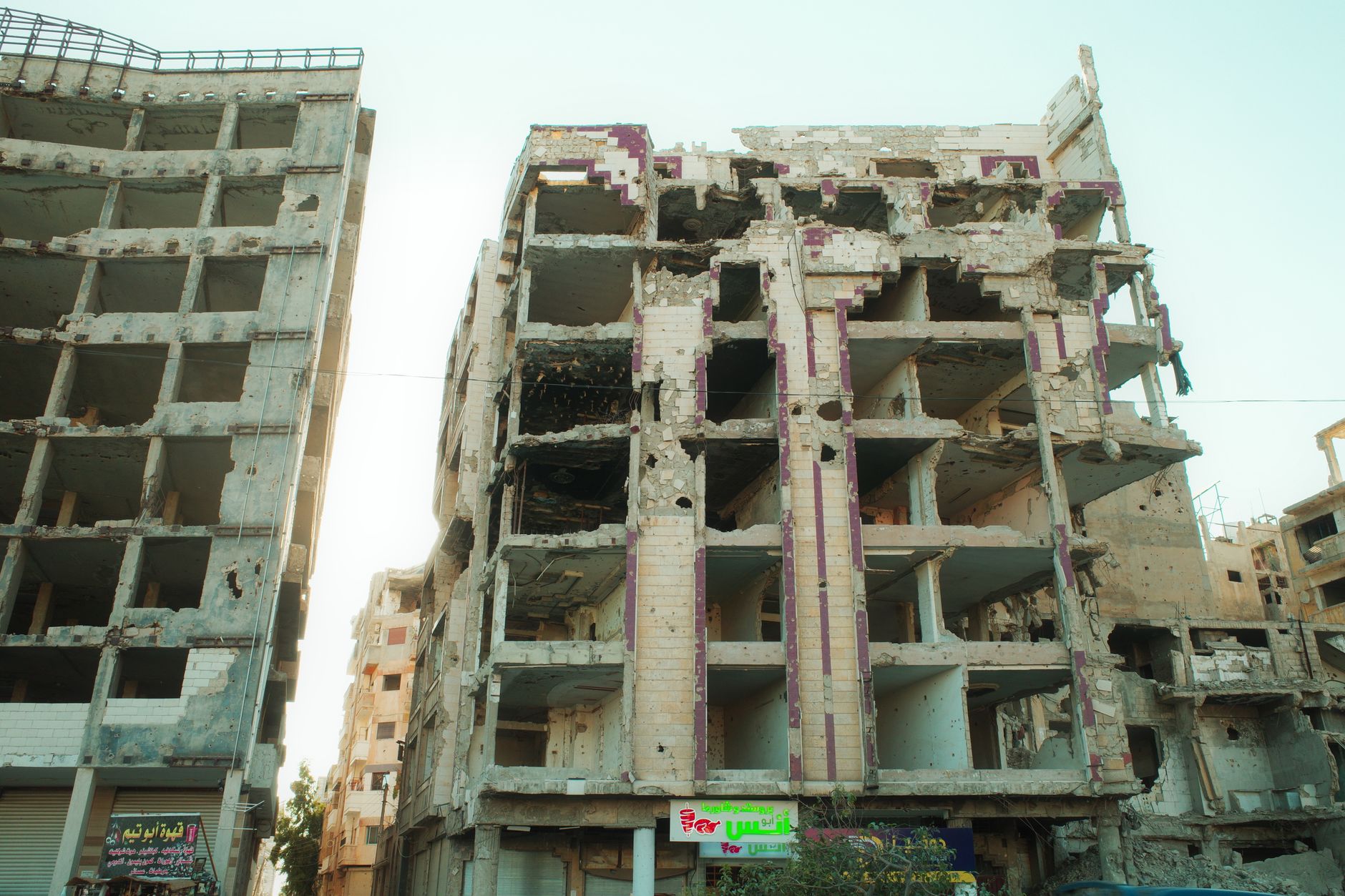
Impact of US-Iran War on India's Economic Stability
India Faces Economic Crisis Amid US-Iran Tensions
