
Indian Economy Robust Despite Global Headwinds: Panagariya
Economist Arvind Panagariya asserts India's economy remains fundamentally strong, brushing aside concerns about slowdown amid global economic uncertainty.
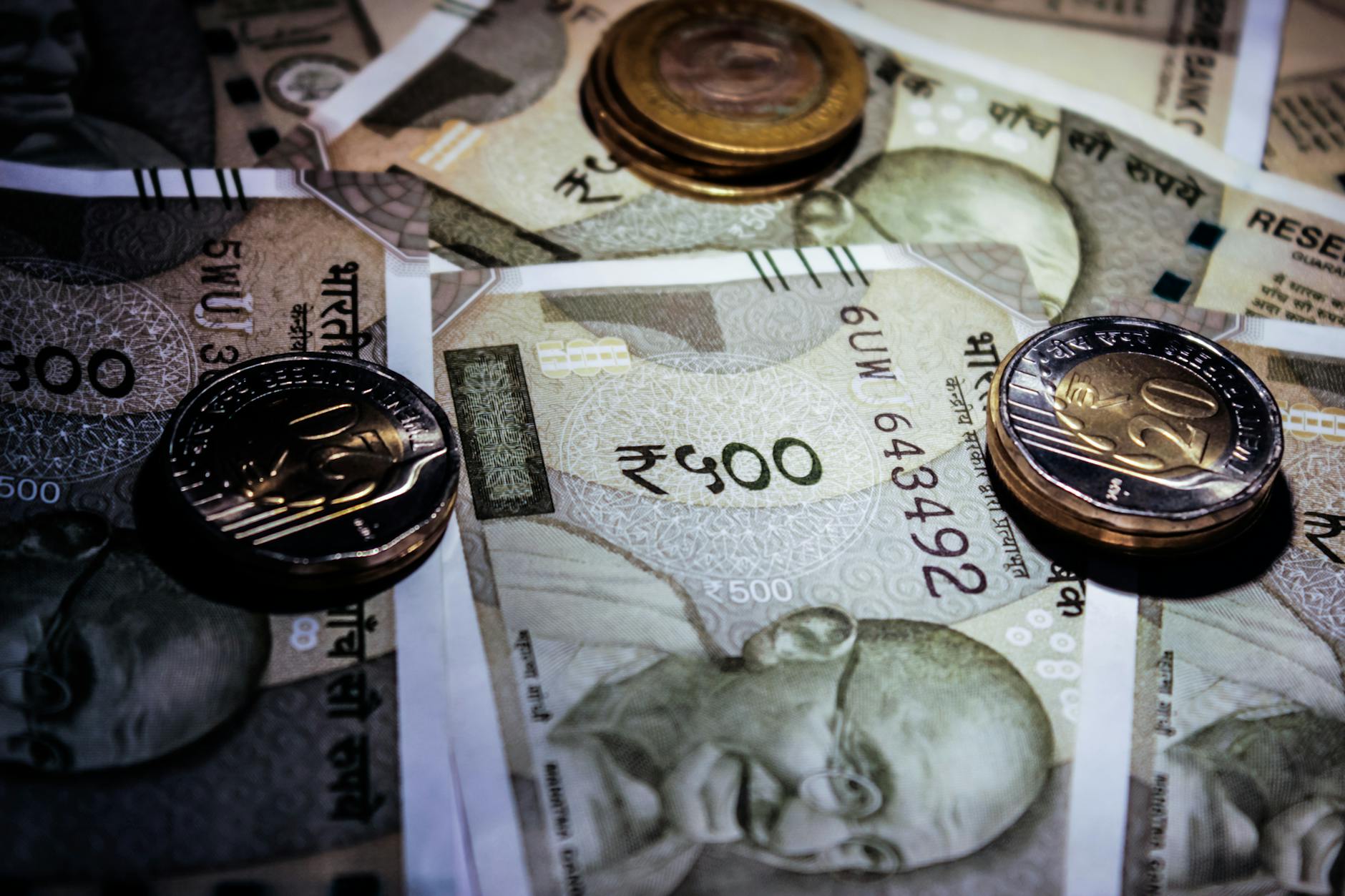
India's Economic Strength Reassured by Top Economist
Arvind Panagariya, one of India's most respected economists and former vice-chairman of the NITI Aayog, has voiced confidence in the country's economic trajectory, describing the Indian economy as "quite robust" despite mounting global headwinds and domestic concerns about growth deceleration.
His assertion comes at a time when policymakers, investors, and analysts are closely watching India's growth narrative amid global trade tensions, geopolitical uncertainties, and mixed signals from key economic indicators. Panagariya's confidence in the economy's resilience underscores the structural strength that India has built over the past decade.
Structural Fundamentals Remain Strong
Panagariya's optimism is rooted in India's underlying economic structure, which has evolved significantly over the past several years. The economy has diversified beyond its traditional sectors, with growing contributions from technology, services, manufacturing, and digital infrastructure.
India's large consumer base, increasing digitalization, and expanding middle class continue to provide a strong domestic demand engine. The government's push toward manufacturing through initiatives like Make in India and the production-linked incentive (PLI) scheme has also begun to show tangible results, with several sectors ramping up domestic production capacity.
Additionally, India's services sector—particularly information technology and business process outsourcing—remains globally competitive and continues to attract foreign investment. The financial sector has also strengthened, with improved asset quality in banks and a more resilient capital market infrastructure.
Growth Trajectory and Future Outlook
While India's growth rate has moderated from the double-digit figures seen in earlier years, economists like Panagariya argue that the current pace remains healthy by global standards. The International Monetary Fund (IMF) and other multilateral agencies continue to project India as one of the fastest-growing major economies in the coming years, despite recent slowdowns.
Key growth drivers include increased government spending on infrastructure, a young demographic dividend that is entering the workforce, expanding rural consumption, and improving productivity across sectors. Government spending on roads, railways, ports, and renewable energy continues to create multiplier effects throughout the economy.
The recent emphasis on rural development and agricultural support, coupled with increased manufacturing investments, is expected to sustain momentum in coming quarters. These structural initiatives take time to translate into GDP growth, but their foundations are being laid systematically.
Global Context and Competitive Advantage
Panagariya's assessment also reflects India's improving competitive position on the global stage. As geopolitical tensions reshape supply chains and manufacturing bases worldwide, India is well-positioned to attract companies diversifying away from traditional manufacturing hubs.
The government's regulatory reforms—from GST simplification to bankruptcy law reforms—have made it easier to do business in India. Foreign direct investment (FDI) inflows have remained steady, demonstrating sustained investor confidence in India's long-term potential despite short-term volatility.
The rupee, while subject to global capital flows, has remained relatively stable, supporting business confidence. Inflation, though a concern in certain periods, has been manageable compared to inflationary pressures seen in developed and peer emerging markets.
Addressing the Skepticism
Not all observers share uniform optimism. Critics point to moderating growth rates, weak investment in certain quarters, and challenges in employment generation. Urban unemployment and agricultural distress in some regions have raised concerns about the quality of growth and its distribution across society.
However, economists like Panagariya argue that these concerns, while valid, should not overshadow the broader structural improvements. They contend that India's growth, even at slower rates than historical peaks, remains respectable when measured against global comparisons and reflects a maturing economy adjusting to higher base effects.
Policy consistency and long-term structural reforms, rather than short-term cyclical fluctuations, should be the focus when evaluating India's economic health. From this perspective, India's trajectory remains on track, albeit with natural ups and downs.
Path Forward
For sustained economic momentum, Panagariya and other economists emphasize the importance of continued investment in education, healthcare, and infrastructure. Skill development to match the demographic dividend with employment opportunities remains crucial.
The government's focus on digital inclusion, renewable energy transition, and green infrastructure also positions India well for long-term sustainable growth. As global investors look for stable, growing markets with favorable demographics, India's appeal continues to strengthen.
Panagariya's endorsement of India's economic robustness reflects the consensus among most mainstream economists that, despite near-term challenges and growth moderation, India's fundamental position remains sound. The economy's ability to weather external shocks while maintaining positive growth rates demonstrates the resilience built into its structure over the past two decades.
Frequently asked
What does Arvind Panagariya mean by saying the Indian economy is 'quite robust'?+
Panagariya refers to India's strong structural fundamentals, including a large consumer base, digital infrastructure, growing middle class, competitive services sector, and improving manufacturing capabilities through initiatives like Make in India and PLI schemes. Despite growth moderation, he believes these underlying strengths ensure long-term resilience.
How is India's economy performing compared to global standards?+
India continues to be projected as one of the fastest-growing major economies globally by the IMF and other multilateral agencies. While growth has moderated from earlier double-digit rates, India's pace remains healthy and competitive by international standards.
What are the main drivers of India's future economic growth?+
Key drivers include government infrastructure spending, a young demographic dividend entering the workforce, rural consumption expansion, improved productivity, manufacturing investments through PLI schemes, and the digital economy. Agricultural support and renewable energy investments also contribute to growth prospects.
What concerns do critics raise about India's economic outlook?+
Critics point to moderating growth rates, weak investment in certain quarters, employment generation challenges, urban unemployment, and agricultural distress in some regions. They question whether growth is being distributed equitably across society and different economic sectors.
Why is India attracting foreign investment despite global uncertainties?+
India is benefiting from global supply chain diversification, regulatory reforms that ease business operations, stable macroeconomic management, favorable demographics, and government initiatives to boost manufacturing and digital infrastructure. These factors make India an attractive destination for FDI despite short-term volatility.
Based on reports from Google News — Indian Economy.
More in Economy
View all →
Impact of US-Iran War on India's Economy and Stability

India's Economic Stability at Risk Amid US-Iran Tensions
India Faces Economic Challenges Amid Ongoing US-Iran Conflict

Impact of US-Iran War on India's Economic Stability
India Faces Economic Crisis Amid US-Iran Tensions
