
RBI Sees India GDP Growth at 6-7% in FY27 Despite Middle East Risks
Central bank confident in domestic strengths while flagging oil price volatility and supply chain disruptions
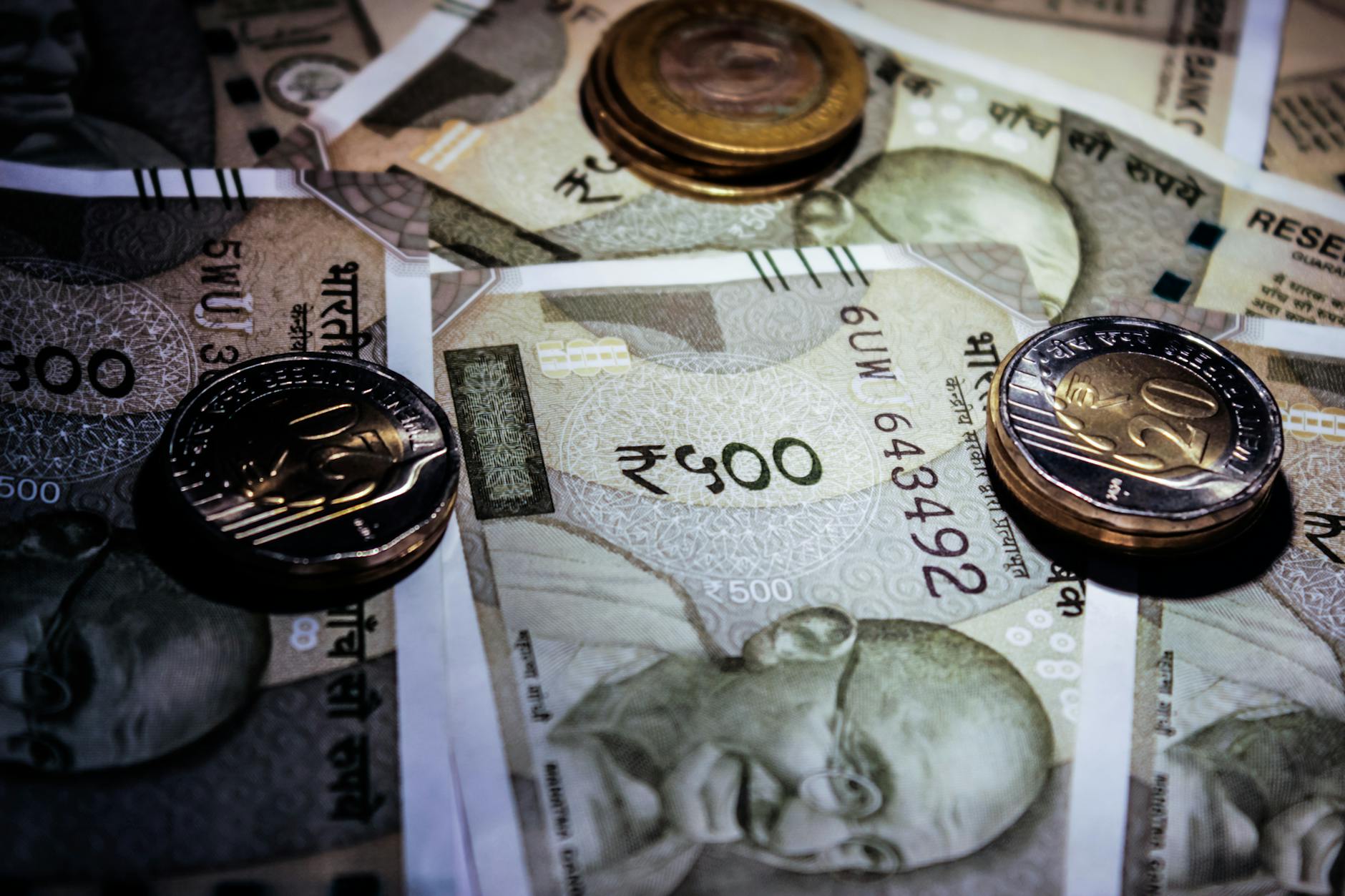
RBI Projects Resilient Growth Despite Geopolitical Headwinds
The Reserve Bank of India's latest Annual Report paints a cautiously optimistic picture for India's economy in financial year 2026-27. While the central bank flagged Middle East conflicts as a key downside risk, it expressed confidence that India's domestic fundamentals are strong enough to deliver growth between 6 and 7 per cent.
This outlook represents a meaningful improvement from the revised FY26 growth estimate of 5.4 per cent. The recovery is expected to be driven by robust consumer spending, reviving private investment, and continued manufacturing expansion under production-linked incentive schemes.
Three Key Risks from West Asian Tensions
The RBI identified specific vulnerabilities from escalating Middle East conflicts. First, oil prices could spike above $100 per barrel, adding 100-150 basis points to India's inflation rate. Second, disrupted shipping lanes would increase logistics costs for exporters in IT services, textiles, and pharmaceuticals. Third, supply chain bottlenecks could delay imports critical for manufacturing.
However, the central bank believes these shocks would be manageable in the short to medium term, provided inflation stays within acceptable bands and global growth remains positive.
Domestic Strengths Provide Cushion
India's resilience stems from several structural advantages that have matured over recent years. Rural consumer spending has stabilised alongside improved agricultural output. Manufacturing activity continues to expand, attracting both domestic and foreign manufacturers. Tax revenues remain strong, allowing the government to support growth while maintaining fiscal discipline.
The RBI noted that this growing domestic strength means India is increasingly decoupled from external demand shocks—a significant shift that reflects the economy's maturation.
Banking System Well-Positioned
On financial stability, the central bank reported encouraging trends. Indian banks remain well-capitalised with strong buffers to absorb potential losses. Non-performing asset ratios have declined to manageable levels, and overall credit quality has improved markedly since the pandemic period.
Core inflation—excluding volatile food and energy—has trended downward, suggesting demand-side pressures are easing. While headline inflation may spike temporarily due to oil shocks or weather-related food price surges, the RBI expects these to be transient.
Policy Flexibility Remains Key
The central bank has signalled a shift toward accommodative monetary policy, with rate cuts anticipated if inflationary pressures continue to ease. Strong government revenues have enabled better coordination between fiscal and monetary policy, reducing crowding-out pressures on private investment.
This policy synergy is expected to sustain growth momentum without creating inflationary overheating. However, a sustained oil price spike could force the RBI to hold or even raise rates rather than cut them, potentially slowing the growth recovery.
The message from the RBI is clear: India's economic fundamentals provide sufficient cushion to navigate external uncertainties, but policymakers must remain vigilant and agile in responding to changing global conditions. Based on reports from Google News — Indian Economy.
Impact analysis
MIXEDThe RBI's confidence in 6-7% GDP growth for FY27 signals sustained earnings potential for Indian corporates, supporting equity valuations. However, oil price sensitivity remains a key variable for rate-sensitive sectors and could delay the monetary easing cycle.
- →Banking and financial stocks benefit from improving credit quality and strong capital buffers reported by RBI
- →Oil marketing companies face margin pressure if crude prices spike above $100 per barrel due to Middle East tensions
- →Manufacturing and PLI-linked companies gain from domestic demand resilience and decoupling from external shocks
- →Export-oriented sectors like IT and textiles vulnerable to higher logistics costs if shipping routes are disrupted
What to watch next
Monitor Brent crude oil price movements and any escalation in Middle East conflicts that could disrupt shipping lanes. Also watch for RBI's next monetary policy decision in early April and any revision to FY27 growth forecasts based on monsoon predictions.
Frequently asked
Will the RBI cut interest rates in 2025?+
The RBI has signalled a shift toward accommodative policy and rate cuts are likely if inflation continues to ease. However, a spike in oil prices above $100 per barrel could force the central bank to delay cuts or even hold rates steady to control inflation.
How will Middle East tensions affect Indian stock markets?+
Middle East conflicts primarily impact India through higher oil prices, which squeeze margins for oil marketing companies and push up inflation. This could delay rate cuts and hurt consumer discretionary spending. However, domestic demand strength and manufacturing growth provide offsetting support to markets.
Which sectors benefit most from RBI's growth outlook?+
Banking and financial services benefit from improving credit quality and lower NPAs. Manufacturing companies gain from PLI schemes and domestic demand. Consumer-facing businesses benefit from rural spending recovery and stable agricultural output.
Based on reports from Google News — Indian Economy.
More in Economy
View all →
Impact of US-Iran War on India's Economy and Stability

India's Economic Stability at Risk Amid US-Iran Tensions
India Faces Economic Challenges Amid Ongoing US-Iran Conflict

Impact of US-Iran War on India's Economic Stability
India Faces Economic Crisis Amid US-Iran Tensions
