
India drops to 6th-largest economy as Japan, UK surge ahead
India has slipped to the sixth position in global economic rankings, with Japan and the UK leapfrogging ahead. This shift reflects currency fluctuations and divergent growth trajectories among major economies.
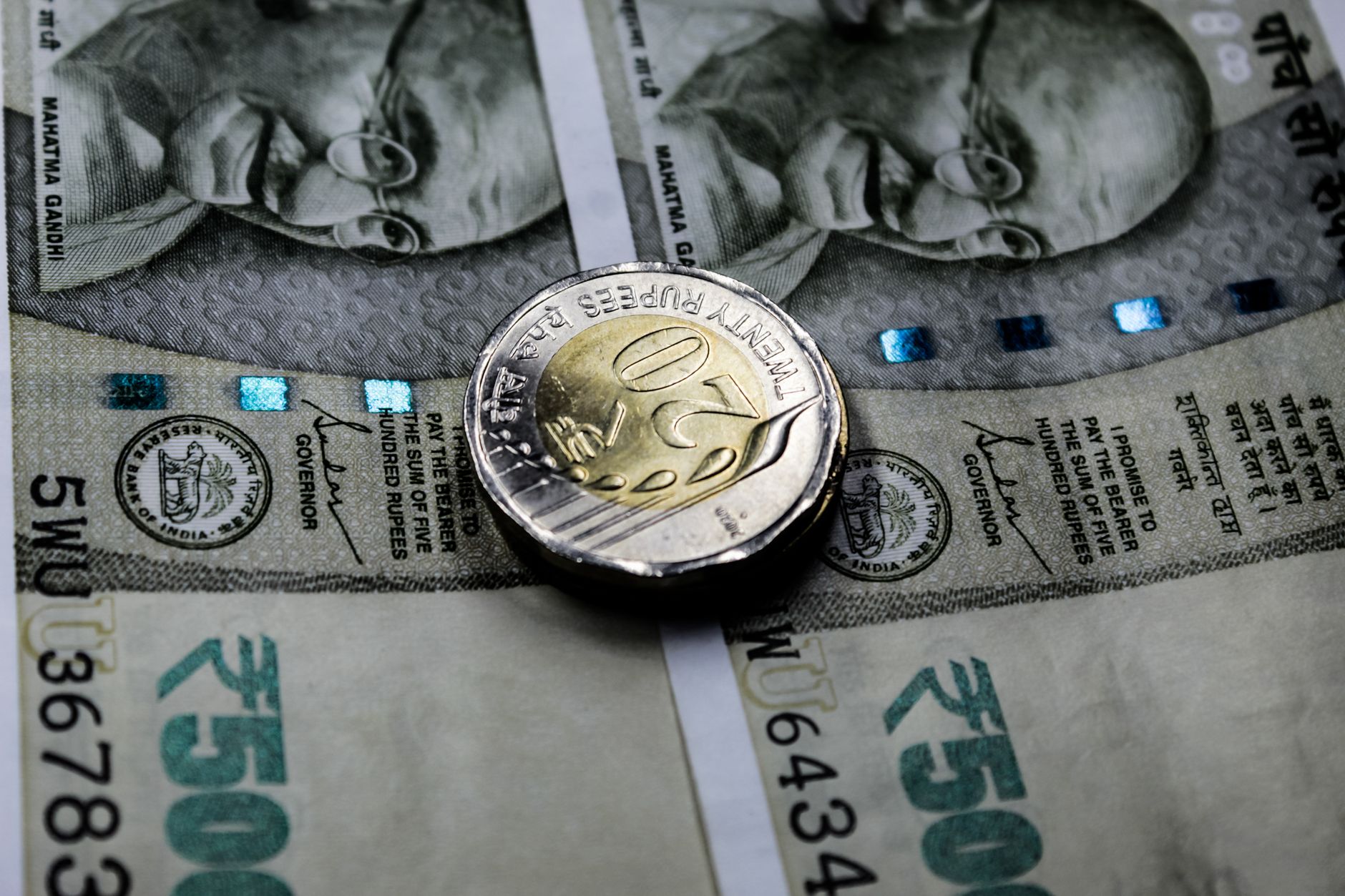
India's Economic Ranking Takes a Hit
India's position as one of the world's largest economies has weakened, sliding to sixth place as Japan and the United Kingdom have overtaken it in nominal GDP terms. The shift underscores how currency movements and relative economic growth rates can reshape the global economic order, even among developed and developing nations.
This development marks a significant moment for India's economic narrative. For years, India has been projected as a future economic powerhouse, particularly as a counterweight to China's dominance. However, nominal GDP rankings—which measure economies in dollar terms—can fluctuate based on exchange rates and growth performance. The rupee's depreciation against the dollar has contributed to this ranking shift, even as India's real growth continues outpacing many developed economies.
Why Rankings Shifted: Currency and Growth Factors
The Rupee Depreciation Effect
A major factor behind India's slip has been the Indian rupee's weakness against the US dollar. When measured in nominal terms using current exchange rates, a weaker rupee automatically reduces India's GDP value in dollar terms, regardless of domestic economic performance. Over recent years, the rupee has faced persistent depreciation pressures due to capital outflows, inflation differentials, and global interest rate dynamics.
Japan's Recovery and UK Resilience
Japan, the world's third-largest economy, has benefited from yen stabilization and moderate growth. Similarly, the UK has maintained its position despite post-Brexit economic headwinds, supported by its large service sector and financial services industry. Both nations saw their currencies strengthen or stabilize relative to the dollar during the period in question.
India's nominal GDP growth, while respectable, has not kept pace with currency-adjusted calculations of rival economies. The distinction between nominal and real GDP (adjusted for inflation and purchasing power) is crucial here: India remains among the fastest-growing major economies in real terms, but nominal rankings tell a different story.
What This Means for India's Economic Story
The demotion should be contextualized within India's broader economic trajectory. In purchasing power parity (PPP) terms—which account for the cost of living and price levels—India remains the world's third or fourth-largest economy. This metric better reflects the actual economic activity and productive capacity within the nation.
However, nominal GDP rankings carry weight in international forums, debt ratings, and geopolitical assessments. Multilateral institutions often use nominal GDP to determine voting rights, capital contributions, and economic influence. India's slip to sixth place could have implications for how the nation is perceived in these contexts, despite its underlying growth strength.
The ranking decline also highlights the volatility inherent in currency-dependent measurements. If the rupee strengthens in coming years—or if India's growth significantly outpaces Japan and the UK—rankings could shift back. India's projected long-term growth rate of 6–7% annually remains ahead of developed economies, suggesting that real economic power continues to accumulate.
The Bigger Picture: Global Economic Rebalancing
This shift is part of a broader rebalancing of global economic power. China remains the world's second-largest economy, and the gap between it and the United States (the largest) has been narrowing. Within this context, India's growth—despite the ranking slip—remains strategically significant for reshaping the multipolar economic world.
Policymakers in India have increasingly focused on real GDP growth, manufacturing expansion, and long-term economic fundamentals rather than chasing nominal rankings. The government's emphasis on Make in India, infrastructure development, and digital economy growth reflects this forward-looking approach.
For investors and business leaders, the key takeaway is that nominal rankings should not obscure India's underlying economic dynamism. The nation's young demographic dividend, expanding middle class, and growing consumer market continue to attract global capital and attention.
Looking Ahead: Currency and Growth Dynamics
Whether India regains its former nominal ranking will depend on two variables: currency stabilization and growth momentum. A stronger rupee—supported by current account improvements and capital inflows—could help. Simultaneously, maintaining the nation's 7%+ real growth rate while developed economies slow would eventually translate into nominal GDP gains.
The Reserve Bank of India's monetary policy stance, inflation management, and efforts to support the rupee will be key. Additionally, structural reforms to boost productivity and industrial competitiveness could accelerate long-term growth.
India's economic ranking is a data point, not a final verdict. The nation's fundamentals—its growth rate, demographic profile, and technological advancement—suggest that its role in the global economy will expand, regardless of where it stands in nominal GDP tables today.
Frequently asked
Why did India drop in global GDP rankings?+
India slipped primarily due to rupee depreciation against the US dollar. Nominal GDP is measured in US dollar terms, so a weaker rupee reduces India's GDP value when converted. Additionally, Japan and the UK saw relatively stronger currency performance and moderate economic growth.
Is India still among the largest economies?+
Yes. In nominal GDP terms, India is now sixth-largest. However, in purchasing power parity (PPP) terms—which better reflect actual economic activity—India remains third or fourth-largest globally. Real GDP growth rates also show India among the fastest-growing major economies.
What's the difference between nominal and PPP GDP?+
Nominal GDP converts a country's output to US dollars at current exchange rates. PPP GDP adjusts for cost of living differences. PPP is often considered more meaningful for comparing living standards and actual economic output, while nominal GDP reflects international economic influence and currency strength.
Will India regain its ranking?+
Possibly. It depends on rupee stabilization and growth momentum. If the rupee strengthens and India maintains 6–7% real growth while developed economies slow, nominal GDP rankings could shift back in India's favor over time.
How does this affect India's role in global institutions?+
Nominal GDP rankings influence voting rights and contributions in multilateral institutions like the IMF and World Bank. A lower nominal ranking could affect India's negotiating position, though the nation's underlying economic strength and growth potential remain significant.
Based on reports from Google News — Indian Economy.
More in Economy
View all →
Impact of US-Iran War on India's Economy and Stability

India's Economic Stability at Risk Amid US-Iran Tensions
India Faces Economic Challenges Amid Ongoing US-Iran Conflict

Impact of US-Iran War on India's Economic Stability
India Faces Economic Crisis Amid US-Iran Tensions
