
India's Real Problem: Price Adjustment, Not Balance of Payments
India faces a structural price adjustment challenge rather than a balance-of-payments crisis, signalling deeper inflationary pressures that demand policy attention.
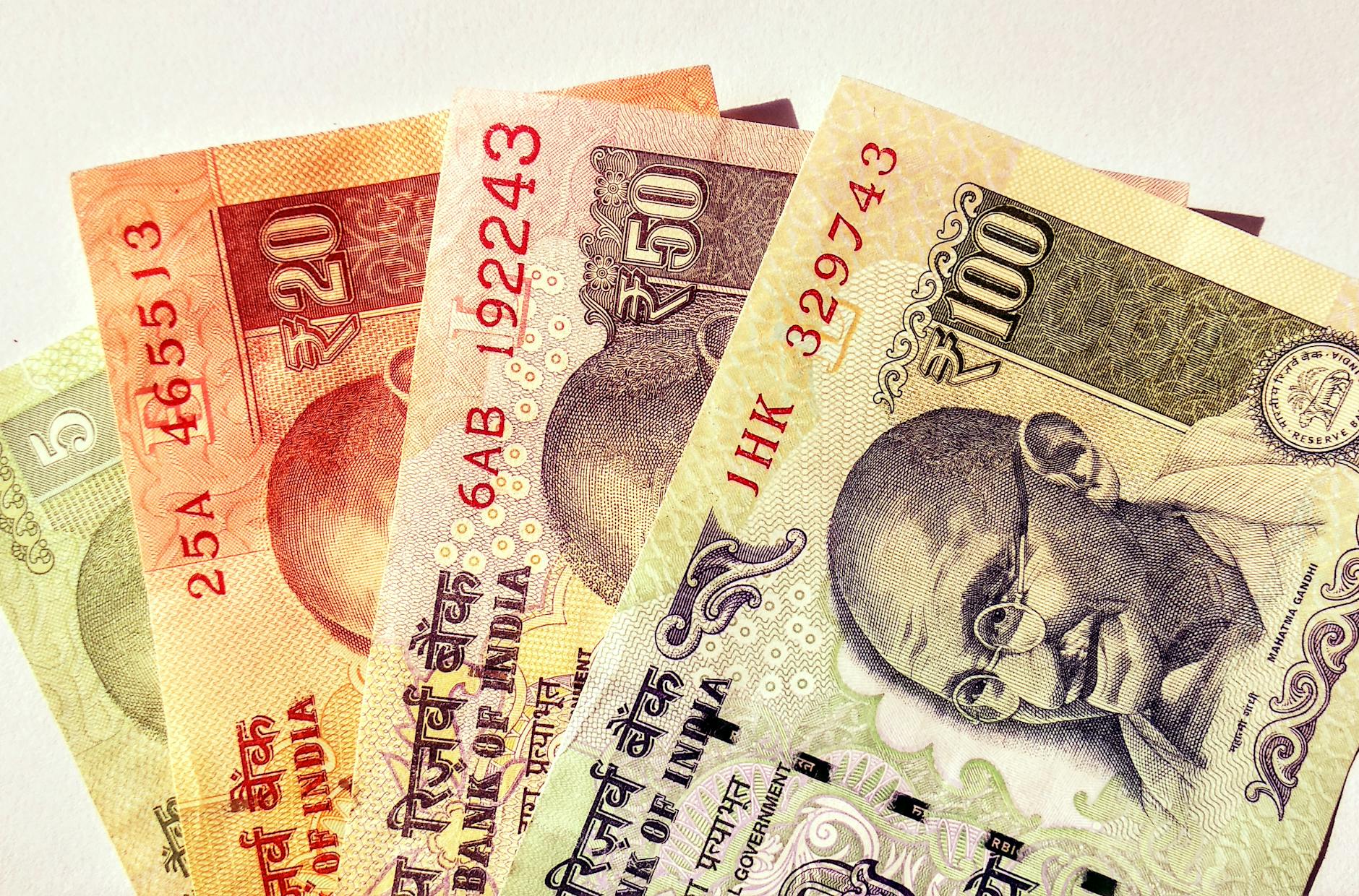
The Real Issue Behind India's Economic Headwinds
India's economic conversation has long centred on balance-of-payments concerns, but a closer examination reveals the true culprit: a growing price adjustment problem that threatens to derail growth and purchasing power. Unlike traditional BoP crises that stem from external account imbalances, India's current predicament is rooted in how prices adjust across the economy—a subtler but potentially more damaging structural issue.
The distinction matters enormously. A balance-of-payments crisis typically manifests through currency depreciation, foreign exchange reserve depletion, and external borrowing pressures. India's situation, however, involves persistent inflation and the economy's inability to absorb price shocks smoothly. This reflects deeper supply-side rigidities and demand-supply mismatches that cannot be resolved through monetary tightening alone.
What Is a Price Adjustment Problem?
A price adjustment problem occurs when an economy struggles to reallocate resources efficiently in response to changing demand and supply conditions. Rather than prices flexibly signalling scarcity and abundance, they become sticky—either due to institutional rigidities, market structure, or policy constraints. In India's context, this manifests across multiple dimensions.
Supply-Side Rigidities
Agricultural output volatility, inadequate infrastructure, and sectoral bottlenecks prevent smooth price discovery. When harvests fail or logistics networks are congested, prices spike rather than supply adjusting. Manufacturing capacity utilisation remains uneven, and services-sector capacity constraints push prices higher even when demand is moderate.
Labour Market Stickiness
Wage flexibility remains limited in organised sectors. Collective bargaining agreements, statutory protections, and informal sector dynamics create a two-tiered labour market where prices don't adjust quickly to productivity changes. This sustains cost-push inflation even during periods of slack demand.
Policy-Induced Price Rigidity
Energy subsidies, food procurement systems, and regulated sector pricing prevent prices from reflecting true scarcity. While politically expedient, these distortions accumulate, forcing adjustment through unexpected inflation spikes when policies eventually shift or scarcities become unsustainable.
Why This Matters More Than BoP Concerns
India's foreign exchange reserves remain robust, currently standing at comfortable levels above three months of import cover. The rupee, though fluctuating, has not experienced the kind of sustained depreciation that characterises genuine external crises. Current account deficits, while episodic, have generally remained manageable relative to the size of the economy.
The price adjustment problem, however, has proven far more persistent. Headline inflation has repeatedly surprised forecasters. Core inflation—stripping out volatile food and fuel—remains elevated, suggesting broad-based pricing pressures rather than temporary commodity shocks. This is the hallmark of an economy struggling to reallocate resources efficiently.
When prices cannot adjust properly, several adverse consequences follow: consumer purchasing power erodes unpredictably; real returns on savings deteriorate, reducing financial savings and investment; businesses face pricing uncertainty that deters long-term investment; and real wages for workers on fixed incomes decline, worsening inequality.
The Sectoral Story
Price adjustment failures appear most acute in specific sectors. In agriculture, despite technological progress, output remains weather-dependent, causing violent price swings in staples. Manufacturing faces global competition that limits pricing power, yet domestic input costs—particularly labour and energy—remain sticky. Services inflation has surprised on the upside repeatedly, reflecting supply constraints in telecom, aviation, and financial services.
Real estate presents perhaps the most glaring example: prices in major metros have become detached from fundamentals, yet construction activity remains constrained by land supply, regulatory approval delays, and financing challenges. This misalignment between prices and supply reflects profound adjustment friction.
What Policy Should Focus On
Treating India's problem as a BoP issue leads to standard prescriptions: fiscal consolidation, monetary tightening, and current account targeting. These may be partly appropriate, but they miss the core challenge.
Addressing a price adjustment problem requires structural reforms: reducing agricultural output volatility through better storage, crop insurance, and climate resilience; accelerating manufacturing productivity through industrial policy and skill development; removing supply bottlenecks in telecom, energy, and logistics; making labour markets more flexible; rationalising energy and food pricing to reflect opportunity costs; and streamlining regulatory approval processes in real estate and manufacturing.
Monetary policy alone cannot solve a problem rooted in real rigidities. Indeed, persistent tightening without supply-side reform risks unnecessarily suppressing growth while inflation remains sticky. The Reserve Bank's challenge lies in validating expectations (preventing de-anchoring) while the government pursues supply-side solutions simultaneously.
The Path Forward
India's economic resilience is undeniable—growth remains solid, external accounts are manageable, and institutional frameworks are sound. Yet the price adjustment problem threatens to become the binding constraint on sustainable, inclusive growth. An economy where prices don't flexibly reflect supply-demand realities gradually loses allocative efficiency, competitiveness, and social stability.
Recognising this distinction—between a BoP crisis and a price adjustment problem—reframes the policy conversation. It suggests that India's principal economic challenge is not external stability but internal flexibility. Supply-side reforms, not just demand management, must take centre stage.
Frequently asked
What is a price adjustment problem in economics?+
A price adjustment problem occurs when an economy struggles to efficiently reallocate resources through flexible pricing. Prices become sticky due to institutional rigidities, market structure issues, or policy constraints, preventing smooth responses to supply and demand changes. This differs from balance-of-payments crises, which involve external account imbalances.
How is India's price adjustment problem different from a BoP crisis?+
India has robust foreign exchange reserves, manageable current account deficits, and a relatively stable rupee—hallmarks of external stability. The real issue is persistent, broad-based inflation and supply-side rigidities that prevent prices from adjusting to reflect true scarcity. This is a structural problem requiring supply reforms, not just monetary tightening.
Which sectors in India face the worst price adjustment problems?+
Agriculture suffers weather-dependent volatility; manufacturing faces sticky labour and energy costs despite global competition; services inflation persists due to supply constraints in telecom and aviation; and real estate shows prices detached from fundamentals due to land scarcity and regulatory delays.
What structural reforms can address India's price adjustment problem?+
Key reforms include improving agricultural resilience through storage and insurance; boosting manufacturing productivity; removing logistics bottlenecks; making labour markets more flexible; rationalising energy and food pricing; and streamlining real estate approval processes. These supply-side solutions matter more than demand-side monetary tightening alone.
Why does monetary policy alone fail to solve India's price problem?+
The problem is rooted in real supply-side rigidities, not just demand excess. Monetary tightening without supply-side reforms risks suppressing growth while inflation remains sticky. Both the RBI (through credibility) and the government (through structural reforms) must act simultaneously to address the issue effectively.
Based on reports from Google News — Indian Economy.
More in Economy
View all →
Impact of US-Iran War on India's Economy and Stability

India's Economic Stability at Risk Amid US-Iran Tensions
India Faces Economic Challenges Amid Ongoing US-Iran Conflict

Impact of US-Iran War on India's Economic Stability

India Faces Economic Crisis Amid US-Iran Tensions
