RBI Eyes Polymer Notes: 4x Durability, Lower Costs Ahead
Central bank explores switch to plastic currency used by Australia, Canada to cut printing costs
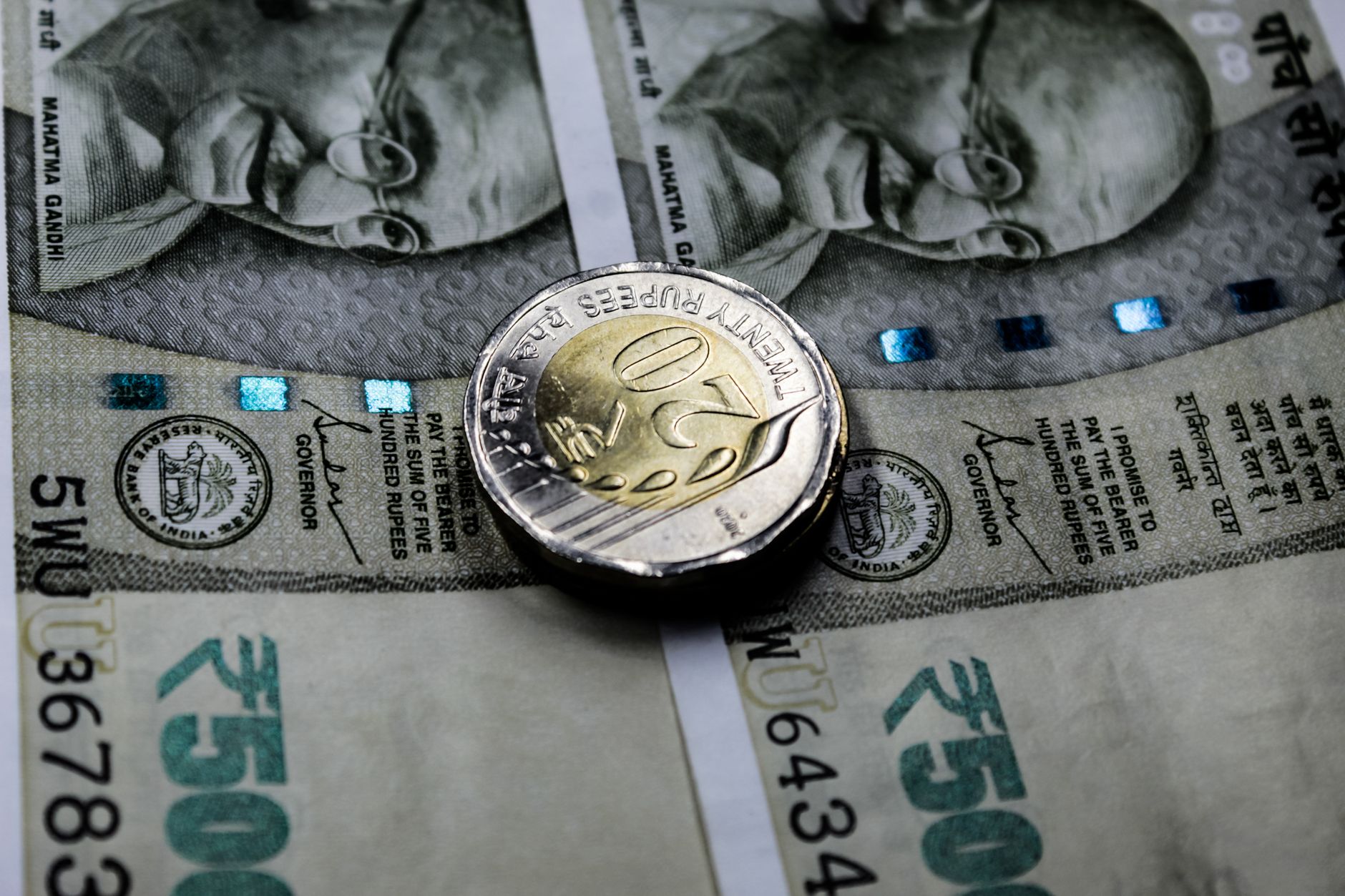
Why the RBI Is Considering Polymer Currency
The Reserve Bank of India is seriously evaluating a shift to polymer banknotes, moving away from the traditional cotton-based paper currency that has circulated in India for decades. This isn't just a cosmetic change. Polymer notes—made from a plastic material—last four times longer than paper notes, resist water and heat damage, and carry advanced security features that make counterfeiting extremely difficult.
Over 30 countries have already made this switch, including Australia (the first adopter in 1988), Canada, the UK, and Singapore. For India, with billions of notes changing hands daily across diverse climate zones—from humid coastal regions to dry interiors—the durability advantage alone could translate into significant savings for the central bank and taxpayers.
The Durability Economics
A paper banknote in India typically survives just 9 to 12 months before wear and tear forces the RBI to withdraw and replace it. Polymer notes, by contrast, remain in circulation for 3 to 5 years. This extended lifespan means the RBI would print fewer replacement notes annually, reducing operational costs at currency printing facilities and lowering the demand for raw materials like cotton.
The cost-benefit calculation becomes compelling when scaled to India's massive currency circulation. Fewer printing runs mean lower energy consumption, reduced logistics expenses for transporting new notes to banks, and less frequent handling of soiled currency. Banks and ATM operators also benefit—notes that stay crisp and machine-readable for years reduce jamming and maintenance costs.
Polymer notes don't absorb moisture, tear easily, or degrade in India's monsoon humidity. They survive washing machines (a common accident) and remain intact even after repeated folding. This resilience is especially valuable in rural areas where notes circulate through many hands and endure rougher handling conditions.
Security Upgrade
Counterfeiting remains a persistent challenge for any currency system. Polymer notes offer a technological leap in security features. The most distinctive element is the transparent window—a clear section embedded in the note that cannot be replicated using standard printing or photocopying methods. Citizens can easily spot this feature, making it harder for fake notes to circulate undetected.
Advanced security elements like colour-shifting inks, microtext visible only under magnification, and embedded holograms can be integrated directly into the polymer substrate. Because the notes resist wear better, these security features remain visible and effective throughout the note's longer lifespan—unlike paper notes where security markings fade or become illegible over time.
Australia's experience validates this security benefit. After transitioning to polymer currency over three decades ago, the country saw counterfeiting rates drop significantly. For India, where counterfeit notes periodically surface and disrupt confidence in currency, this security upgrade carries both economic and social value.
Environmental and Implementation Angle
The environmental case for polymer notes is nuanced but positive. While producing polymer requires petroleum-based inputs, the net resource consumption drops because far fewer notes need to be manufactured annually. Cotton cultivation for paper currency demands substantial water, pesticides, and agricultural land. Reducing this demand through longer-lasting polymer notes lowers the overall environmental footprint.
The transition won't happen overnight. India would need to upgrade or establish new printing facilities capable of producing polymer notes at scale. The RBI would likely start with pilot programs—introducing polymer notes in select denominations or regions to test public acceptance and iron out logistical challenges. Public awareness campaigns would educate citizens and businesses on identifying and handling the new currency.
During the transition period, both paper and polymer notes would circulate simultaneously, creating a dual-currency environment that banks and retailers must manage. Full implementation could take several years, but the long-term payoff in durability, security, and cost savings aligns with India's modernisation goals in financial infrastructure.
What This Means for Stakeholders
For currency equipment manufacturers—companies that produce note sorting machines, ATMs, and authentication devices—the shift creates a business opportunity. Equipment would need upgrades or replacements to handle polymer notes, which have different thickness and texture compared to paper. Security printing companies with polymer note production capabilities could see demand from the RBI.
The banking sector stands to benefit from reduced currency handling costs over time. Notes that remain machine-readable for years reduce ATM downtime and maintenance expenses. For ordinary citizens, the change means more durable rupee notes that don't disintegrate in wallets or during monsoon season—a practical everyday improvement.
The RBI's exploration of polymer currency also signals India's alignment with global best practices in monetary policy and currency management, potentially enhancing the rupee's standing in international perception as a well-managed, modern currency.
Based on reports from Google News — Finance India.
Impact analysis
NEUTRALPolymer note adoption would create opportunities for security printing, currency equipment manufacturers, and polymer substrate suppliers. Banking sector benefits from lower long-term currency handling costs, though initial transition requires capital investment in new equipment and infrastructure.
- →Security printing companies with polymer note capabilities could win RBI contracts for new currency production
- →ATM and currency sorting equipment manufacturers face upgrade demand as machines must adapt to handle polymer notes
- →Banks benefit from lower long-term currency handling costs due to longer note lifespan and reduced replacement frequency
- →Polymer substrate manufacturers may see demand if India localises production rather than importing materials
What to watch next
Monitor for RBI announcements on pilot programs testing polymer notes in specific denominations or regions. Any tender notices for polymer substrate suppliers or printing equipment upgrades would signal concrete progress toward implementation.
Frequently asked
Why would polymer notes save money if they cost more to produce?+
While individual polymer notes cost more upfront to manufacture, they last 4 times longer than paper notes. Over the note's lifecycle, the RBI prints fewer replacement notes, reducing total printing costs, transportation expenses, and handling of soiled currency. The durability economics favour polymer despite higher initial costs.
How do polymer notes improve security against counterfeiting?+
Polymer notes have transparent windows that cannot be created through printing or photocopying, making them instantly recognizable. They can incorporate advanced features like colour-shifting inks, microtext, and embedded holograms that are extremely difficult to replicate. Australia saw significant drops in counterfeiting after switching to polymer.
When might India actually start using polymer rupee notes?+
The RBI is currently in the exploration phase. Based on global precedents, implementation would likely start with pilot programs in select denominations, followed by a gradual multi-year rollout. Full transition could take 5-10 years, with paper and polymer notes circulating together during the transition period.
Which Indian companies could benefit from polymer note adoption?+
Security printing companies with polymer capabilities, ATM and currency sorting equipment manufacturers requiring upgrades, and potentially polymer substrate suppliers if production is localised. However, no specific listed companies are directly named as beneficiaries yet since implementation details remain unclear.
Based on reports from Google News — Finance India.
More in Markets
View all →
EPFO 3.0 Proposal to Include Gig Workers in Pension Scheme

EPFO 3.0 Proposal to Include Gig Workers in Pension Scheme

EPFO 3.0 Proposal Aims to Include Gig Workers in Pension Scheme
EPFO 3.0 Proposal to Include Gig Workers in Pension Scheme

EPFO 3.0 Proposal Aims to Include Gig Workers in Pension Scheme