
India to Become World's Fourth-Largest Economy in 2025
The IMF projects India will surpass Japan this year to claim the fourth position in global GDP rankings, marking a significant milestone for the Indian economy.
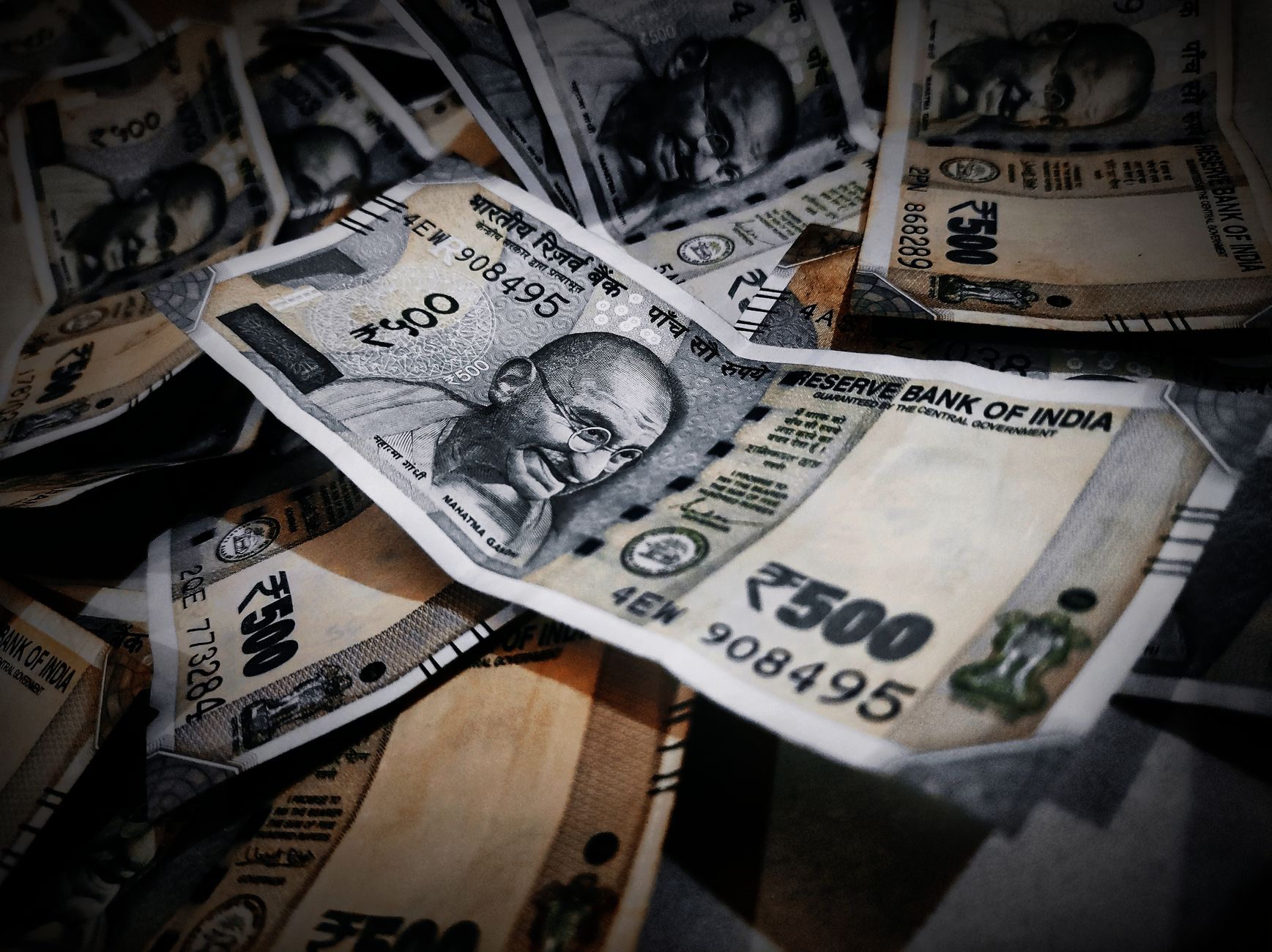
India Poised to Overtake Japan in Economic Rankings
India is set to overtake Japan and become the world's fourth-largest economy in 2025, according to projections by the International Monetary Fund (IMF). This milestone represents a watershed moment for the Indian economy, reflecting decades of steady growth and structural transformation that have elevated the nation's standing in the global economic order.
The IMF's assessment underscores the rapid expansion of the Indian economy relative to Japan's mature, slower-growing profile. With Japan holding the fourth-largest economy status for nearly three decades, India's ascendancy signals a historic shift in global economic power towards emerging markets and developing nations in Asia.
Economic Growth Dynamics
India's Growth Trajectory
India's economic expansion has been driven by multiple factors including a young, growing workforce, rising domestic consumption, increasing foreign direct investment, and government initiatives aimed at manufacturing and infrastructure development. The nation's real GDP growth rates have consistently outpaced most developed economies, particularly in the post-2014 period.
The World Bank and other international institutions have repeatedly revised upward their growth forecasts for India, citing resilience in the face of global headwinds and the structural reforms undertaken by successive Indian governments. Strong performance in sectors like information technology services, pharmaceuticals, and more recently, manufacturing, has reinforced investor confidence.
Japan's Economic Position
Japan, the world's third-largest economy, has experienced slower growth for much of the past two decades due to an ageing population, deflationary pressures, and a mature, consolidated industrial base. While Japan remains a technological and industrial powerhouse, its nominal GDP growth has lagged behind emerging economies like India.
The depreciation of the Japanese yen against the US dollar in recent years has also impacted Japan's position in US dollar-denominated global GDP rankings, even as the underlying Japanese economy has shown resilience in certain sectors.
Global Economic Implications
Shift in Economic Power
India's rise to fourth-largest economy status reflects a broader realignment of global economic power. The emergence of India alongside China as a major economic centre underscores the growing importance of Asia in shaping worldwide trade, investment flows, and economic policy.
This transition also has implications for multilateral institutions, trade negotiations, and the global supply chain architecture. As India's share of global GDP expands, its voice in international economic forums is likely to grow proportionally, influencing decisions on climate policy, technology standards, and financial regulation.
Opportunities and Challenges Ahead
While India's economic rise presents tremendous opportunities—including expansion of the consumer market, deepening of financial markets, and increased availability of capital for infrastructure projects—it also comes with challenges. Sustaining high growth rates requires continued investment in education, healthcare, and digital infrastructure, as well as addressing persistent issues of inequality and regional imbalance.
The Indian government's focus on the National Infrastructure Pipeline, digital transformation through the Digital India initiative, and skills development through programmes like Skill India reflects an awareness of these requirements. These long-term structural measures aim to ensure that India's growth remains broad-based and sustainable.
What This Means for the Indian Economy
Becoming the fourth-largest economy is not merely a statistical achievement—it reflects tangible improvements in living standards for hundreds of millions of Indians. Increased economic scale provides greater resources for public investment in health, education, and social safety nets.
However, experts caution that size alone does not translate into prosperity per capita. With a population exceeding 1.4 billion, India's per-capita income remains significantly below that of developed nations. The challenge for policymakers is to ensure that continued growth is translated into meaningful improvements in human development indicators.
The manufacturing sector has emerged as a key growth engine, with India positioning itself as an alternative to China for global manufacturers seeking to diversify their supply chains. Government initiatives like the Production-Linked Incentive (PLI) scheme are aimed at attracting investment in high-value manufacturing sectors including electronics, automobiles, and pharmaceuticals.
Looking Ahead
The IMF's projection reflects confidence in India's economic fundamentals and growth prospects. However, global uncertainties including geopolitical tensions, interest rate fluctuations, and commodity price volatility could influence India's trajectory.
As India navigates its transition to a higher growth phase, maintaining macroeconomic stability, controlling inflation, managing fiscal deficits, and ensuring that growth translates into job creation and improved living standards will be critical. The next phase of India's development will be defined not just by the size of its economy, but by how effectively it leverages that economic scale for inclusive growth and development.
Frequently asked
When will India overtake Japan as the fourth-largest economy?+
According to the International Monetary Fund (IMF), India is set to overtake Japan and become the world's fourth-largest economy in 2025.
What factors are driving India's rapid economic growth?+
India's growth is driven by a young workforce, rising domestic consumption, foreign direct investment, government manufacturing initiatives, infrastructure development, and strong performance in IT services and pharmaceuticals sectors.
Why has Japan's economic growth slowed?+
Japan's growth has been constrained by an ageing population, deflationary pressures, a mature industrial base, and yen depreciation against the US dollar, which affects its global GDP rankings.
What does this mean for India's global influence?+
India's rise to fourth-largest economy status will likely increase its voice in international economic forums, trade negotiations, and policy decisions on issues like climate change and financial regulation.
Will India's economic growth continue at current rates?+
While India's fundamentals remain strong, sustaining high growth requires continued investment in education, infrastructure, and addressing inequality. Global uncertainties and commodity price volatility could influence future growth trajectories.
Based on reports from Google News — Indian Economy.
More in Economy
View all →
Impact of US-Iran War on India's Economy and Stability

India's Economic Stability at Risk Amid US-Iran Tensions
India Faces Economic Challenges Amid Ongoing US-Iran Conflict

Impact of US-Iran War on India's Economic Stability
India Faces Economic Crisis Amid US-Iran Tensions
