
India-Indonesia Trade Hits ₹16.5 Lakh Crore: Growth Insights
Exploring the evolving trade dynamics between India and Indonesia.
BULLISH· HIGH
Advertisement
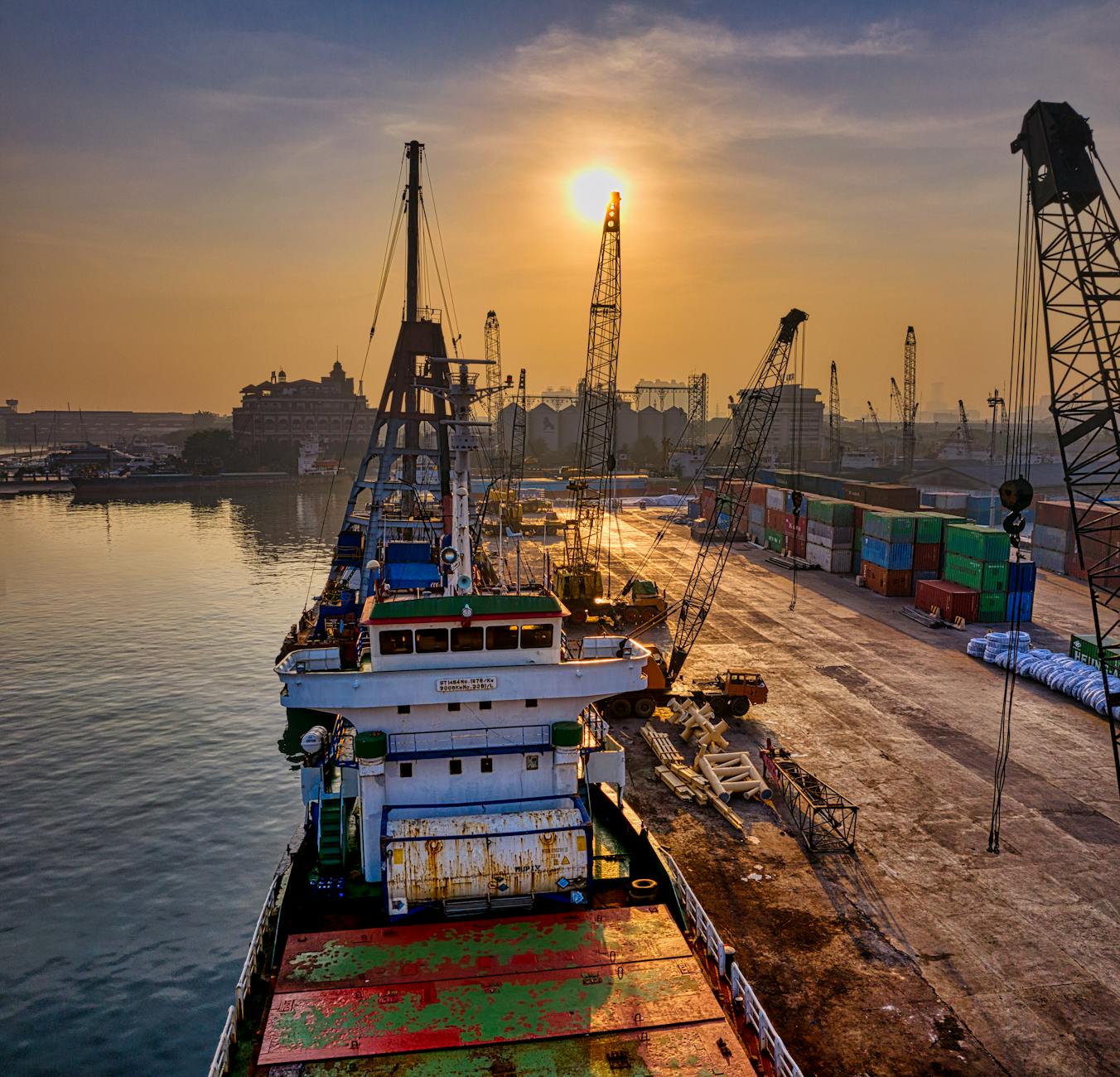
India's trade relationship with Indonesia has seen significant changes recently, showcasing mutual growth and strategic partnerships. The total trade between India and Indonesia reached approximately ₹16.5 lakh crore in the last fiscal year, marking a substantial increase from previous years. This growth reflects a deeper economic interdependence, although the trade balance still favors Indonesia, largely due to India's rising imports of palm oil and coal.
India's imports from Indonesia have surged, with palm oil becoming the largest import commodity. In the last fiscal year, India imported around ₹7.5 lakh crore worth of palm oil, which accounted for nearly 60% of its total imports from Indonesia. The demand for coal has also increased, driven by India's escalating energy needs.
On the export side, India is focusing on boosting shipments of pharmaceuticals, textiles, and machinery to Indonesia. The export figures have shown a steady rise, reaching approximately ₹9 lakh crore during the same period. This diversification in export products is part of India's strategy to address the trade deficit.
Both nations are committed to strengthening their strategic partnerships through various initiatives. The Indonesia-India Comprehensive Economic Cooperation Agreement (CECA) is a pivotal step toward enhancing trade relations. This agreement aims to reduce tariffs and encourage bilateral investments, further facilitating trade.
Several sectors present lucrative opportunities for Indian businesses in Indonesia. The renewable energy sector, particularly solar and wind energy, is gaining traction as both countries aim to transition to cleaner energy sources. The digital economy, including e-commerce and fintech, is also rapidly expanding, providing Indian firms with opportunities in the growing Indonesian market.
Despite the positive trends, challenges persist in the India-Indonesia trade relationship. Regulatory hurdles, differing standards, and logistical issues can hinder trade flows. Additionally, geopolitical tensions in the region may pose risks to the stability of trade relations.
Looking ahead, the future of India-Indonesia trade seems promising. With ongoing efforts to enhance cooperation and tackle existing challenges, both countries are likely to witness continued growth in their trade volumes. As India aims to diversify its import sources and strengthen its export capabilities, Indonesia will remain a crucial partner in this journey. Based on reports from Google News — Indian Economy.
Market Impact
BULLISHThe growing trade with Indonesia could boost Indian markets positively. Increased imports and exports may enhance sectoral growth.
- →Increased trade can lead to higher revenues for Indian exporters.
- →The focus on renewable energy may attract investments.
- →Continued trade growth could improve market sentiment.
Stocks:RELIANCETCS
Sectors:BFSIIT
Horizon: long term
What to Watch Next 👀
Investors should monitor upcoming trade agreements and economic data releases that may impact trade flows.
Advertisement
Frequently asked
What are the main products traded between India and Indonesia?+
India primarily imports palm oil and coal while exporting pharmaceuticals and textiles.
How does the CECA affect trade relations?+
The CECA aims to reduce tariffs and promote bilateral investments, enhancing trade between the two countries.
Based on reports from Google News — Indian Economy.
More in Economy
View all →
UBL Contributes ₹43,000 Crore to Economy in FY25
10h ago

FDI Hits Five-Year High Amidst India's Economic Resilience
12h ago

India's Economy Grows Less Vulnerable to Monsoon Shocks
13h ago
PM Modi Highlights India's Role in Global Economic Growth
13h ago

India's Economic Transformation: Progress and Challenges Ahead
19h ago

India's Economic Challenges: The Political Disconnect
21h ago
Advertisement