
India's Fuel Crisis: Who Bears the Real Cost?
As fuel prices surge four-fold, ordinary Indians—especially youth and low-income households—shoulder the heaviest economic burden while policy responses lag behind.
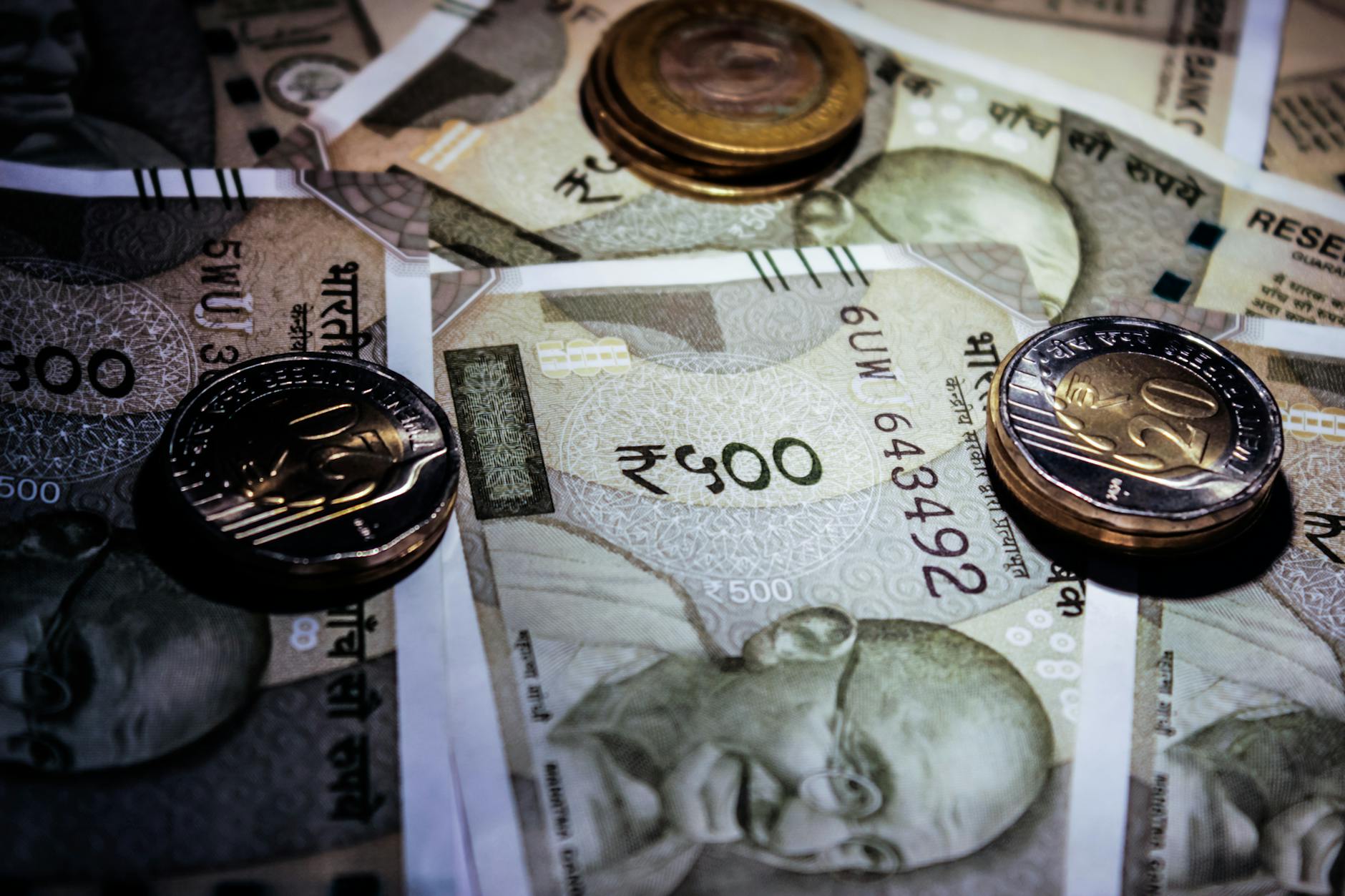
The Four-Fold Surge: Understanding India's Fuel Price Crisis
India's fuel prices have quadrupled over recent years, creating cascading economic pressures that ripple through every sector of the economy. This sharp increase isn't merely a commodity price story; it's a crisis that redistributes wealth and hardship unevenly across Indian society. While headlines focus on global oil markets and geopolitical shocks, the real question remains: who actually pays the price?
The sharp rise in petrol and diesel costs has become a defining economic challenge for India's working poor, students, and small business owners. Unlike large corporations that can absorb or pass on costs, millions of Indians see their household budgets stretched to breaking point. Transport costs spiral, inflation accelerates, and purchasing power evaporates—yet policy makers remain largely insulated from the fallout.
Who Bears the Burden?
Wage Workers and Daily Commuters
For India's millions of daily wage earners and urban commuters, fuel price hikes directly translate to reduced household consumption. A shopkeeper in Mumbai, a rickshaw driver in Delhi, a vendor in Bangalore—each faces the same reality: rising transport costs eat into already thin profit margins. Public transport fares follow fuel prices upward, making commutes unaffordable for those earning minimum wages.
Small and Medium Enterprises
SMEs that depend on road transport for distribution face margin compression they cannot easily offset. A logistics startup in Chennai or a food delivery partner in Hyderabad operates on competitive pricing where fuel costs are non-negotiable. Unlike multinational corporations, they lack pricing power to pass costs directly to consumers without losing business volume.
Agricultural Communities
India's farmers depend on diesel for irrigation pumps, tractors, and transport to market. Fuel price spikes directly raise production costs. When commodity prices don't rise proportionally, farmer income falls—creating rural distress that eventually flows into reduced urban consumption and slower economic growth.
Youth and Job Seekers
Young Indians entering the workforce face inflated transportation costs that compress entry-level salaries. Student loans, rental payments, and commuting expenses leave little margin for saving or investment. The opportunity cost of higher transport spending reduces capital formation among India's most productive demographic.
The Inflation Cascade and Household Impact
Fuel price increases don't stop at the pump. They trigger second and third-order inflation across the entire economy. Freight costs rise, pushing up food prices, construction materials, and manufactured goods. A ₹1 increase in diesel per litre translates to measurable food inflation within weeks.
For households in the bottom income quartile, energy costs already consume 8-12% of monthly budgets. When fuel prices spike, these households cut discretionary spending first—education, healthcare, nutrition suffer. The multiplier effect dampens overall demand, slowing job creation precisely when vulnerable groups need employment most.
Middle-class families feel the pressure differently. They maintain consumption but accumulate less savings. Less savings means less investment in homes, education, and entrepreneurship—slowing long-term wealth creation and economic mobility.
Policy Responses: Who Gets Protected?
Subsidies and Corporate Support
Government fuel subsidies historically protected certain sectors: agriculture (diesel for pumps), freight transport (road haulage), and power generation. While intended to help vulnerable groups, these subsidies often benefit large farms and industrial users more than small farmers or rural households.
Large corporations can lobby for exemptions, tax deductions, or direct subsidies. Small traders and wage workers have no such access. This creates a two-tier economy where policy protects those with political capital while leaving ordinary citizens to navigate market prices.
What's Missing
Direct income support to offset fuel cost inflation remains minimal. Public transport subsidies haven't kept pace with fuel prices. Vocational training programs that would increase earning capacity haven't expanded. The policy toolkit focuses on supply-side measures (fuel imports, refinery capacity) while ignoring demand-side household distress.
Long-Term Economic Consequences
Persistent high fuel costs reshape India's economic structure in ways policymakers haven't fully acknowledged. Rural-to-urban migration slows when transport costs consume migration savings. Domestic demand weakens, hurting manufacturers. Export competitiveness declines as logistics costs rise. Manufacturing locations shift away from India toward lower-cost regions.
Youth unemployment and underemployment worsen when job seekers can't afford commuting to industrial clusters or tech parks. Female workforce participation faces particular headwinds as household budgets tighten and women are pulled out of formal employment to manage household resources.
The compounding effect of higher fuel costs—when sustained over years—leaves scars on human capital and entrepreneurial capacity that take decades to heal.
What Needs to Change
A comprehensive response requires more than fuel price management. India needs direct cash transfers during supply shocks, expanded public transport systems with fuel-cost insulation, targeted subsidies for agricultural diesel based on holding size, and vocational programs that increase earning capacity to match higher cost-of-living realities.
Most urgently, policymakers must acknowledge that fuel price crises aren't equally distributed. The costs of India's energy challenges fall hardest on those least able to absorb them—and until policy reflects that reality, economic growth will remain uneven and inclusive growth will remain a slogan rather than reality.
Frequently asked
How have India's fuel prices increased over recent years?+
Petrol and diesel prices have surged four-fold over recent years, driven by global oil market dynamics, geopolitical factors, and supply constraints. This sharp increase creates cascading inflation across sectors dependent on transportation and energy.
Who bears the heaviest burden of India's fuel price crisis?+
Daily wage workers, small business owners, farmers, students, and low-income households bear the heaviest burden. Large corporations can offset costs through pricing power or subsidies, while vulnerable groups lose purchasing power and employment opportunities.
How do fuel price increases trigger broader inflation?+
Higher fuel costs raise transportation and logistics expenses, which flow through to food prices, construction materials, and manufactured goods. This second-order inflation hits poorest households hardest, as energy already consumes 8-12% of their monthly budgets.
What policy measures could protect vulnerable Indians from fuel price shocks?+
Direct cash transfers, expanded public transport subsidies, targeted agricultural diesel support based on farm size, vocational training programs, and income support mechanisms. Current policies focus on supply-side measures while largely ignoring household-level distress.
How do sustained high fuel costs damage India's long-term economy?+
Persistent high fuel costs reduce rural migration, weaken domestic demand, hurt manufacturing competitiveness, and pull women out of formal employment. These effects compound over years, damaging human capital and entrepreneurial capacity that takes decades to rebuild.
Based on reports from Google News — Indian Economy.
More in Economy
View all →
Impact of US-Iran War on India's Economy and Stability

India's Economic Stability at Risk Amid US-Iran Tensions
India Faces Economic Challenges Amid Ongoing US-Iran Conflict

Impact of US-Iran War on India's Economic Stability
India Faces Economic Crisis Amid US-Iran Tensions
