
India's Fuel Crisis: Who Bears the Rising Cost?
As fuel prices surge, ordinary Indians face mounting pressure on household budgets. Understanding who pays for energy crises reveals deeper economic inequalities.
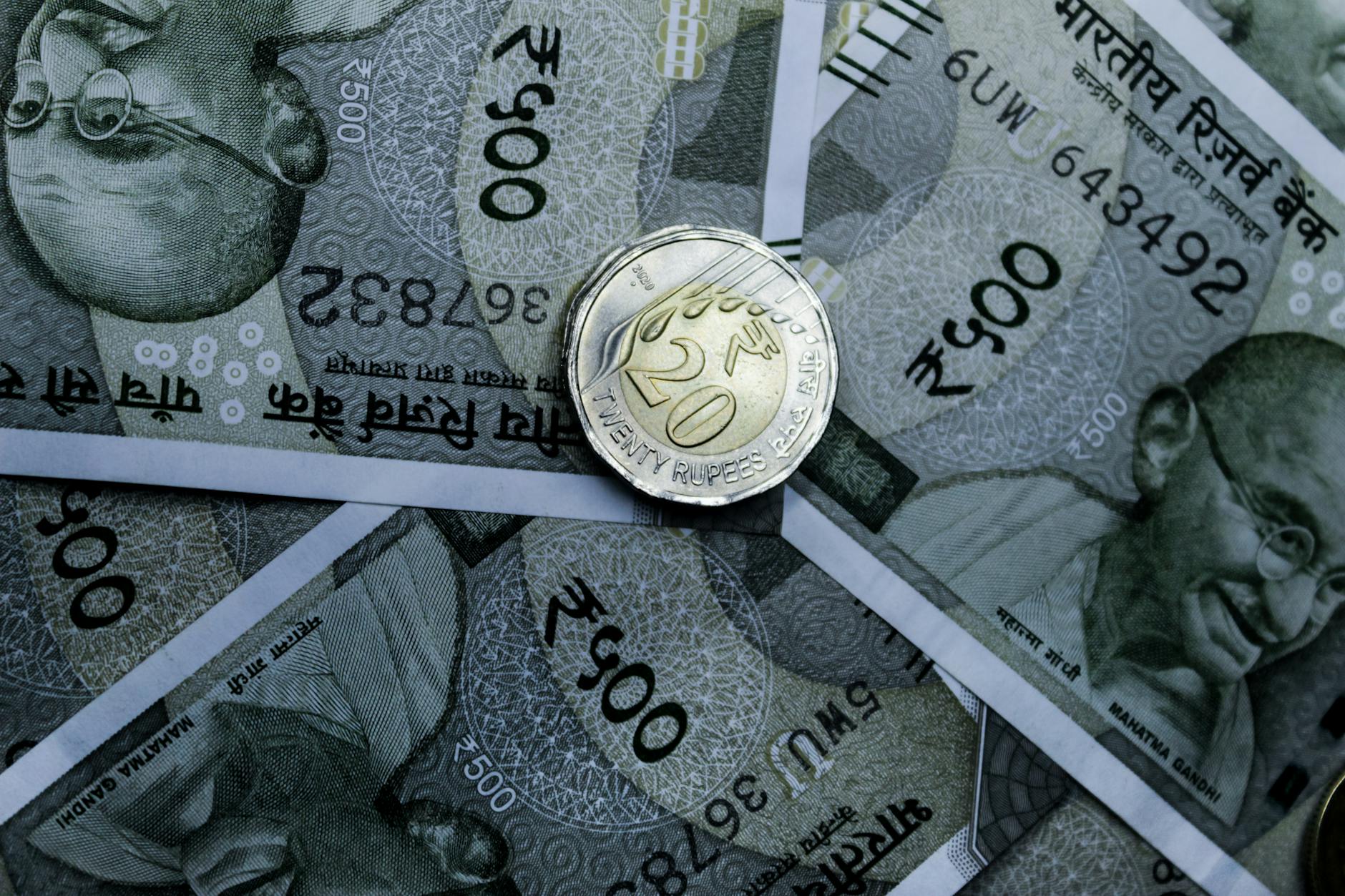
The Fuel Price Spiral and Its Hidden Toll
India's fuel crisis has reached a critical juncture. Petrol and diesel prices have climbed steeply, and the impact ripples far beyond gas pumps. While headlines focus on percentage increases, the real story lies in who absorbs these shocks—and the answer exposes profound economic divides across the nation.
The phrase "fuel up four times" captures a brutal reality: ordinary citizens are paying multiple times over for systemic energy challenges. This isn't just about the price at the pump. It's about inflation cascading through transportation, food, manufacturing, and essential services. A lorry driver pays more to fuel his truck. A farmer pays more to run irrigation pumps. A middle-class family sees their grocery bills climb as supply chains become costlier.
Direct Costs: Consumers Feel the Squeeze
The most visible impact hits consumer wallets immediately. Every litre of petrol or diesel bought for personal vehicles, auto-rickshaws, and commercial transport drains household savings faster. In a country where over 60% of the population still earns modest incomes, fuel price hikes disproportionately affect daily mobility and survival.
For daily-wage earners and gig economy workers—delivery personnel, cab drivers, street vendors—higher fuel costs directly reduce take-home income. A delivery executive burning more fuel on every trip either absorbs the loss or passes it to customers through higher delivery charges. Either way, real purchasing power erodes.
Indirect Costs: The Invisible Multiplier Effect
Transportation and Logistics
Manufacturing and retail depend on efficient supply chains. When fuel costs rise, logistics companies raise freight charges. These costs embed themselves in every product: groceries, clothing, electronics, medicines. A ₹100 item might cost ₹105 by the time it reaches a shop shelf.
Food and Agriculture
Indian farmers rely on diesel for tractors, pumps, and transport. Higher fuel costs increase input expenses, forcing farmers to either absorb losses or raise crop prices. Urban consumers pay more at the vegetable market. Rural incomes shrink. Food inflation follows, hitting the poorest hardest since they spend 50-60% of income on food.
Power Generation
Thermal power plants, which generate roughly 70% of India's electricity, run on fossil fuels. Rising fuel costs increase electricity generation expenses. State electricity boards pass these costs to consumers through higher tariffs. Small businesses and households see their power bills climb.
Manufacturing and Industry
Industries dependent on diesel generators, transport, and fuel-intensive processes face margin pressure. Many pass costs to consumers or cut wages and hiring. This creates unemployment or wage stagnation even as living costs rise—a squeeze from both directions.
Who Truly Pays: An Unequal Burden
The fuel crisis doesn't hit everyone equally. High-income households might absorb 10-15% extra fuel costs without changing lifestyle. They have savings buffers and investment portfolios. For them, fuel prices are an inconvenience, not a crisis.
But for India's 400+ million people living on modest incomes, fuel price spikes force brutal choices. Skip meals. Reduce transport. Postpone medical treatment. Buy fewer school books for children. These aren't abstract policy discussions—they're real daily calculations.
Small business owners—the backbone of employment—face shrinking margins. They can't easily raise prices without losing customers. Wages stagnate or jobs vanish. The informal economy, which employs 90% of India's workforce, feels these shocks acutely because workers have no safety nets.
Structural Challenges Behind the Crisis
India imports over 80% of its crude oil. Global prices, currency fluctuations, geopolitical tensions, and refinery capacity all influence domestic fuel costs. But structural choices matter too: underinvestment in renewable energy, delayed refinery modernization, and fuel subsidy policies that sometimes benefit the wealthy more than the poor.
Governments face a difficult balance. Fully passing global prices to consumers triggers inflation and social unrest. Subsidizing fuel drains treasuries and distorts markets. Yet the current approach—partial subsidies mixed with market pricing—creates inflation that erodes real incomes, particularly for the vulnerable.
The Path Forward
Addressing fuel crises requires multi-layered solutions. Accelerating renewable energy adoption reduces long-term fossil fuel dependence. Improving public transport—buses, trains, metros—offers affordable mobility for masses. Supporting farmers with subsidy programs insulates food security from fuel volatility. Direct cash transfers to the poorest can offset inflation impacts.
More fundamentally, fuel prices reveal how systemic vulnerabilities compound suffering for those least able to absorb shocks. A lorry driver, a farmer, a shop owner, a daily-wage worker—each pays four times over: at the pump, through inflation, via reduced employment, and by cutting essential consumption.
India's fuel crisis isn't merely an energy problem. It's a question of who bears the cost of economic structures that leave millions fragile.
Frequently asked
Why do fuel price increases cause inflation in India?+
Fuel is essential for transportation, electricity generation, agriculture, and manufacturing. When fuel costs rise, these costs embed into every product and service. A lorry driver pays more to deliver goods, a farmer pays more to run irrigation pumps, and power plants increase electricity tariffs. These cascading costs raise prices across the entire economy.
Who suffers most from fuel price hikes in India?+
Low-income households, daily-wage workers, small farmers, and informal sector workers suffer most. They spend large portions of income on essentials like food and transport, so fuel-driven inflation directly reduces purchasing power. High-income households have savings and investment buffers to absorb these shocks more easily.
How much of India's fuel comes from imports?+
India imports over 80% of its crude oil. This makes domestic fuel prices vulnerable to global oil prices, currency fluctuations, and geopolitical tensions. Unlike countries with domestic oil production, India has limited control over fuel costs.
What can India do to reduce fuel price shocks?+
Solutions include accelerating renewable energy adoption, improving public transport infrastructure, modernizing refineries, supporting farmers with subsidy programs, and using direct cash transfers to offset inflation impacts on the poorest. These address both immediate relief and long-term resilience.
Why doesn't India fully subsidize fuel prices?+
Full subsidies are fiscally unsustainable and often benefit wealthier households more than the poor. They also distort markets and don't address root causes. Governments balance subsidies with market pricing, though this creates inflation. The challenge is protecting vulnerable groups without draining government budgets.
Based on reports from Google News — Indian Economy.
More in Economy
View all →
Impact of US-Iran War on India's Economy and Stability

India's Economic Stability at Risk Amid US-Iran Tensions
India Faces Economic Challenges Amid Ongoing US-Iran Conflict

Impact of US-Iran War on India's Economic Stability
India Faces Economic Crisis Amid US-Iran Tensions
