
India to Overtake Japan as World's Fourth-Largest Economy in 2025
The International Monetary Fund projects India will surpass Japan this year to become the world's fourth-largest economy by nominal GDP, cementing the nation's position as a major global economic powerhouse.
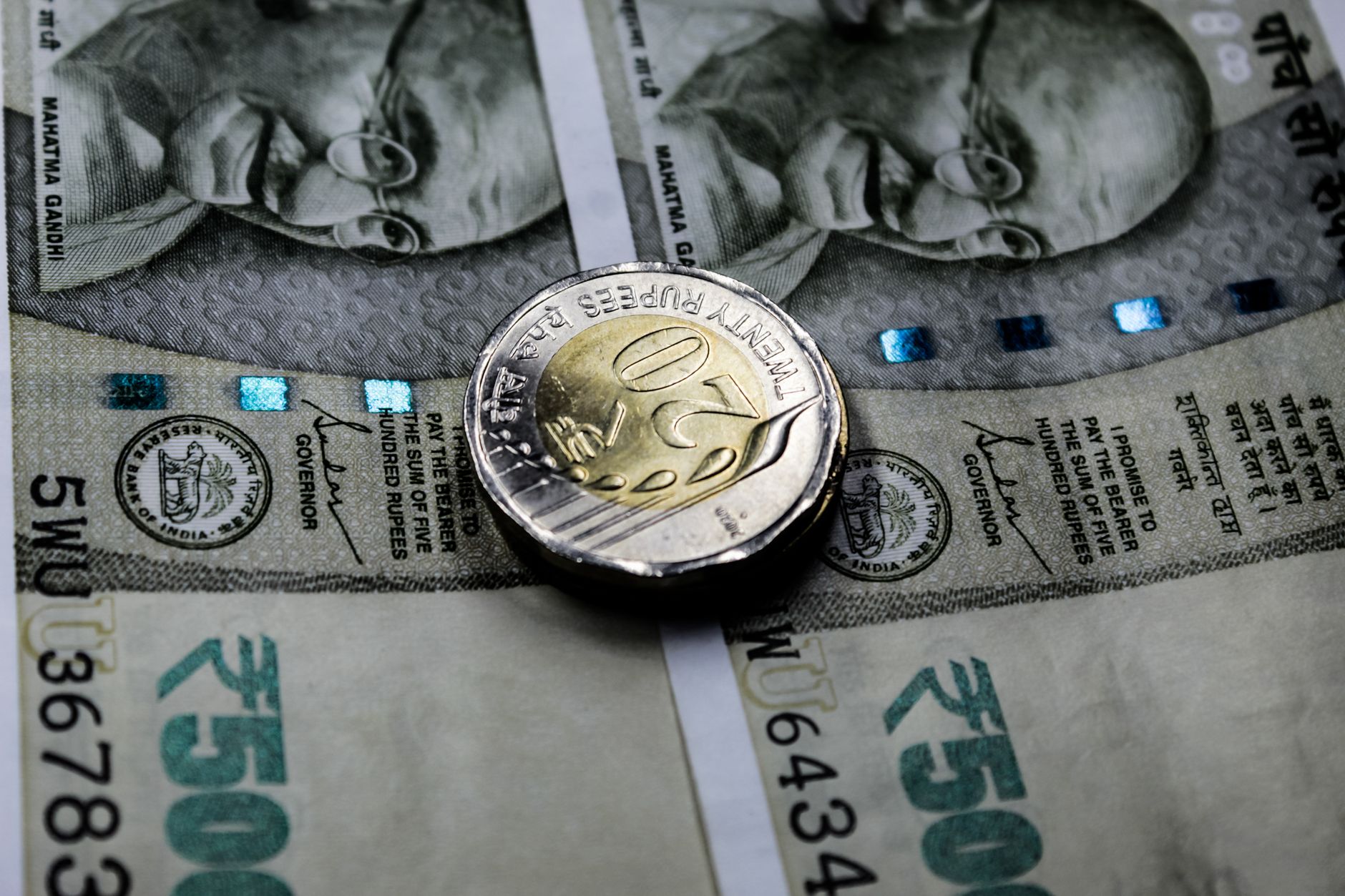
India Poised to Surpass Japan in Economic Rankings
India is set to overtake Japan as the world's fourth-largest economy in 2025, according to projections from the International Monetary Fund (IMF). This milestone represents a significant achievement for the Indian economy and underscores the country's accelerating growth trajectory on the global stage. The shift will reposition India ahead of Japan, which has long held the fourth position in global economic rankings by nominal GDP.
The IMF's forecast reflects India's consistent economic expansion, driven by domestic consumption, investment in infrastructure, and a growing services sector. With a population exceeding 1.4 billion and a rapidly expanding middle class, India's economic weight continues to increase in global affairs. This transition also signals a broader geopolitical and economic realignment, with emerging Asian economies gaining greater prominence in the international economic order.
What Drives India's Rapid Economic Growth
Several structural factors underpin India's strong economic performance and its trajectory toward becoming the fourth-largest economy. The country's demographic dividend—with a median age of approximately 28 years—provides a large, young workforce entering the labour market. This youthful population drives consumption and supports productivity growth across sectors.
Key Growth Drivers
- Infrastructure Investment: The government's focus on building roads, railways, ports, and digital infrastructure has improved connectivity and reduced logistical costs for businesses.
- Manufacturing Expansion: The "Make in India" initiative and production-linked incentive (PLI) schemes have attracted manufacturing investments, particularly in electronics, textiles, and automobiles.
- Services Sector Strength: India's IT services, business process outsourcing (BPO), and financial services sectors remain globally competitive and export-oriented.
- Digital Economy Growth: Rising internet penetration, fintech innovation, and e-commerce adoption have created new engines of economic activity.
- Foreign Direct Investment: India has attracted increasing foreign investment across sectors, from renewable energy to semiconductor manufacturing.
Comparison with Japan and Historical Context
Japan has held the position of the world's third or fourth-largest economy for decades, but its growth has slowed significantly over the past two decades. Demographic headwinds, including an ageing population and declining workforce, have constrained Japan's economic expansion. In contrast, India's young and growing population continues to fuel demand and economic activity.
Measured by nominal GDP in US dollars, India's economy has grown substantially. Japan's economy, while still larger in per capita terms and technological sophistication, has faced structural challenges that have limited nominal GDP growth. The crossover anticipated in 2025 reflects these diverging economic trajectories rather than any decline in Japan's living standards or productivity.
Implications for India and the Global Economy
India's rise to the fourth-largest economy carries significant implications. It strengthens India's voice in international economic forums, trade negotiations, and multilateral institutions. The country's growing economic heft enhances its geopolitical influence and attracts greater attention from multinational corporations and investors seeking exposure to high-growth markets.
For global supply chains, India's economic ascent creates both opportunities and competitive pressures. Companies increasingly view India as a manufacturing and services hub, alternative to or complement to existing production centres in China and Southeast Asia. The country's consumer market—with rising disposable incomes—represents a significant opportunity for businesses across sectors, from consumer goods to financial services.
However, India's larger economy also brings responsibility. The country faces challenges in translating nominal GDP growth into measurable improvements in living standards, employment quality, and social outcomes. Infrastructure capacity, skill development, and job creation remain critical priorities to ensure sustainable and inclusive growth.
Looking Ahead: Sustaining Growth Momentum
To maintain its growth trajectory and realise the potential of becoming a top-three economy in the coming decades, India must focus on several priorities. These include enhancing education and skill development to improve labour productivity, accelerating the pace of infrastructure projects, and deepening financial inclusion to broaden the base of economic participation.
The government's various initiatives—such as the National Infrastructure Pipeline, Pradhan Mantri Awas Yojana, and digital payment push—aim to address these gaps. Continued focus on regulatory reforms, ease of doing business, and attracting high-value manufacturing will be essential to sustain the growth momentum that the IMF's projections are based upon.
India's expected overtaking of Japan in 2025 is not the endpoint but rather a milestone in a longer journey of economic transformation. The years ahead will determine whether India can translate its economic size into broader prosperity and position itself as a truly developed economy in the coming decades.
Frequently asked
When will India overtake Japan as the world's fourth-largest economy?+
According to the International Monetary Fund (IMF), India is set to overtake Japan as the fourth-largest economy in 2025, measured by nominal GDP.
Why is India's economy growing faster than Japan's?+
India benefits from a young, growing population, rising consumer spending, infrastructure investments, and expansion in manufacturing and services sectors. Japan, by contrast, faces demographic challenges including an ageing population and a declining workforce, which have constrained nominal GDP growth.
What are the main drivers of India's economic growth?+
Key growth drivers include the government's infrastructure investment programmes, the Make in India and PLI schemes, strength in IT and services exports, digital economy expansion, foreign direct investment inflows, and a large domestic consumer base.
What does this ranking change mean for India's global influence?+
Becoming the fourth-largest economy enhances India's voice in international economic forums and multilateral institutions, improves its geopolitical influence, and makes it a more attractive destination for multinational corporations and investors seeking high-growth markets.
What challenges does India face despite rapid economic growth?+
India must focus on translating GDP growth into job creation, improving education and skill development, accelerating infrastructure project completion, broadening financial inclusion, and ensuring that economic growth leads to measurable improvements in living standards for all citizens.
Based on reports from Google News — Indian Economy.
More in Economy
View all →
Impact of US-Iran War on India's Economy and Stability

India's Economic Stability at Risk Amid US-Iran Tensions
India Faces Economic Challenges Amid Ongoing US-Iran Conflict

Impact of US-Iran War on India's Economic Stability
India Faces Economic Crisis Amid US-Iran Tensions
