
India's Forex Reserves Fall $7.51 Billion to $681.38 Billion
Sharp decline driven by dollar demand, FII outflows, and global uncertainty pressures external account
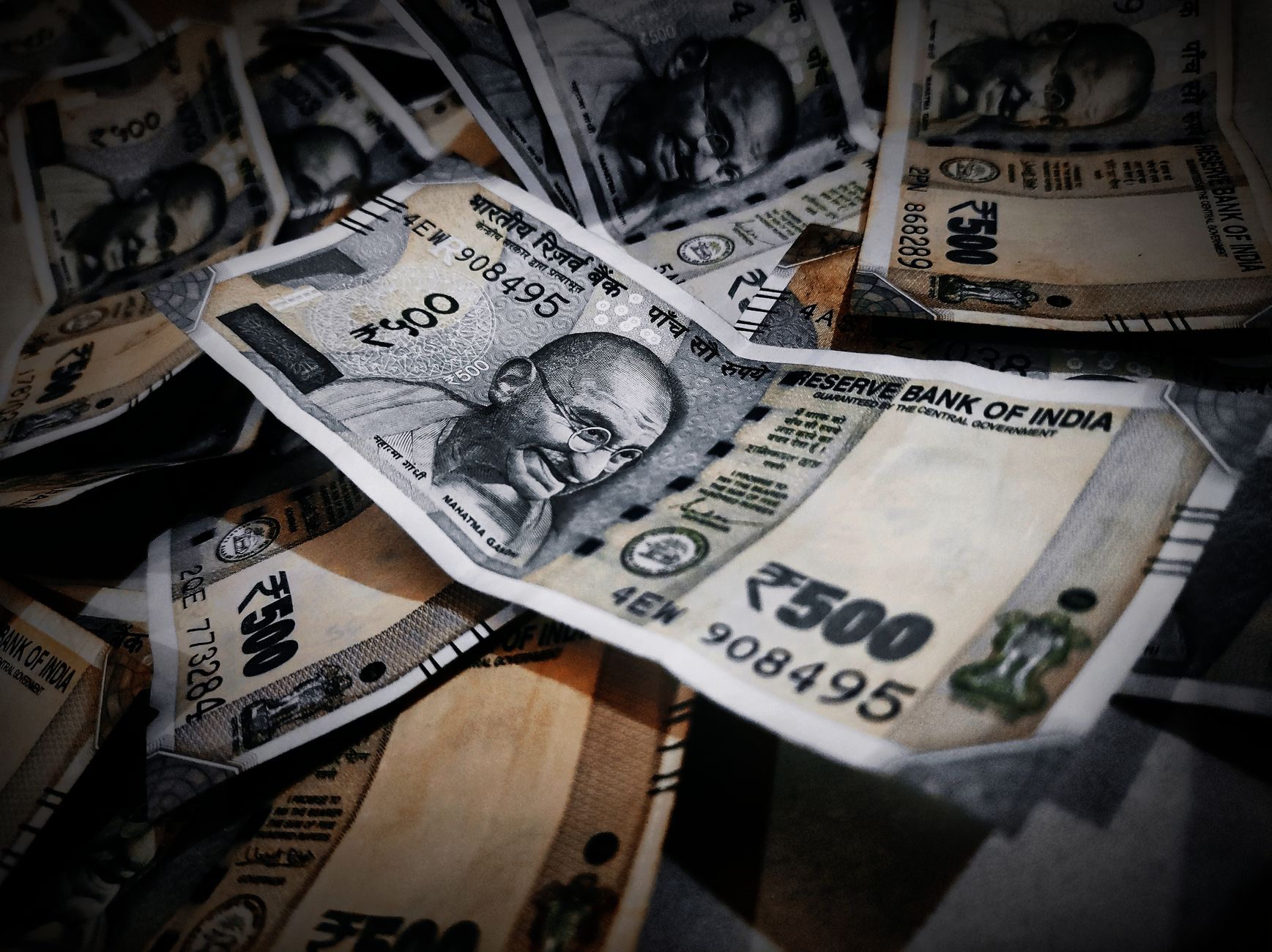
Forex Reserves Under Pressure as External Account Faces Headwinds
India's foreign exchange reserves contracted by $7.51 billion to $681.38 billion in the week ending May 22, marking a sharp decline that reflects intensifying pressure on the country's external account. The drawdown—among the steeper weekly declines in recent months—comes amid sustained dollar demand from importers, portfolio investor outflows, and a challenging global economic environment.
The reserves, which serve as the nation's primary buffer against external shocks, still represent a comfortable 9 to 10 months of import cover. However, the pace of depletion has raised attention among market participants and policymakers alike, especially as the Reserve Bank of India (RBI) continues to use reserves strategically to manage rupee volatility.
Three Key Drivers Behind the Decline
Importer Dollar Demand Remains Strong
A significant portion of the forex decline stems from consistent dollar withdrawals by Indian businesses and importers covering their external payment obligations. With crude oil prices remaining elevated and gold imports staying robust, the rupee-denominated import bill continues to weigh on reserves. The RBI's interventions in the foreign exchange market to prevent excessive rupee depreciation have also contributed to the drawdown.
Foreign Institutional Investors Trim Holdings
Portfolio investors have been rotating funds away from Indian assets, as foreign institutional investors (FIIs) seek relatively higher yields in other emerging markets and developed economies. While this outflow pattern is not unprecedented, it adds to external account pressures. Without sustained inflows to offset these exits, reserves face continued pressure.
Global Uncertainty Creates Risk-Averse Environment
Persistent uncertainties around global interest rates, inflation concerns in major economies, and ongoing geopolitical risks have created a cautious investor sentiment. Emerging markets, including India, have faced selective outflows as global capital becomes more risk-averse. Despite India's strong economic fundamentals, the country has not been immune to this broader trend.
What the Numbers Mean for India's External Position
At $681.38 billion, India's forex reserves remain substantial by historical standards. The reserves comprise foreign currency assets (the largest component), gold holdings, special drawing rights (SDRs) with the International Monetary Fund, and India's reserve position at the IMF. Gold reserves have provided some cushion as global gold prices have remained elevated, partially offsetting declines in foreign currency assets.
The RBI and government have consistently maintained that India's external position remains robust. This confidence is supported by steady remittance flows from Indians working abroad, a growing services export sector, and rising foreign direct investment inflows. However, the speed of recent drawdown warrants close monitoring.
Rupee and Monetary Policy Implications
Declining forex reserves typically correlate with pressure on the Indian rupee in foreign exchange markets. A weaker rupee makes exports more competitive but increases the rupee cost of imports and external debt servicing—a double-edged sword for the economy.
The RBI has been deploying reserves strategically to defend the currency from excessive volatility. This balancing act—protecting the rupee while maintaining adequate buffer levels—becomes more challenging if reserves continue declining at the current pace. The central bank may need to consider additional measures such as widening interest rate differentials or implementing capital management tools to stem outflows and attract fresh inflows.
For monetary policy, falling reserves add another constraint to the RBI's toolkit. The central bank must weigh currency stability concerns alongside domestic growth and inflation objectives.
Looking Ahead: What Could Change the Trajectory
Despite the recent decline, the RBI has signalled confidence in India's external sector resilience. The central bank points to manageable current account deficits, robust foreign direct investment, and a diversified export base that includes high-value services.
Several factors will determine the future trajectory of forex reserves. A sustained decline in global crude oil prices would significantly ease import pressures and reduce dollar demand. Revival in foreign portfolio inflows—contingent on global interest rate stabilisation—would provide immediate relief. The monsoon outcome will also play a role, influencing agricultural exports and foreign currency earnings.
The RBI is expected to continue calibrating its interventions, using reserves judiciously to prevent excessive rupee depreciation while maintaining adequate cushions. The government will likely focus on promoting exports, attracting foreign investment, and managing capital flows prudently.
While the $7.51 billion weekly fall warrants vigilance, India's forex position remains fundamentally sound compared to many emerging market peers. Policymakers have the tools to manage external pressures, but the coming months will test whether this decline represents a temporary correction or signals a more sustained trend requiring policy intervention.
Based on reports from Google News — Indian Economy.
Impact analysis
MIXEDThe sharp forex reserve decline signals external account pressures that could weaken the rupee and impact import-dependent sectors. However, adequate reserve buffers and RBI intervention capacity suggest manageable near-term risks for equity markets.
- →Rupee likely to face continued depreciation pressure, making imports costlier and potentially stoking inflation
- →Import-heavy sectors like oil marketing companies and gold importers may see margin pressures from currency weakness
- →Export-oriented sectors like IT services and pharmaceuticals could benefit from rupee depreciation improving competitiveness
- →Banking sector faces potential asset quality concerns if rupee weakness impacts corporates with unhedged forex exposure
What to watch next
Monitor weekly forex reserve data releases from RBI for trend confirmation, global crude oil price movements that impact import bills, and FII flow data to gauge whether portfolio outflows are stabilizing. Key global central bank policy decisions, especially US Federal Reserve announcements, will influence capital flows to emerging markets including India.
Frequently asked
Why are India's forex reserves falling?+
The reserves are declining due to three main factors: strong dollar demand from importers paying for crude oil and gold, foreign portfolio investors withdrawing money from Indian markets, and the RBI using reserves to support the rupee and prevent excessive depreciation. Global economic uncertainty has also made investors more cautious about emerging markets.
Is $681 billion forex reserves enough for India?+
Yes, $681.38 billion is still comfortable and provides about 9-10 months of import cover, which is considered adequate by international standards. However, the pace of recent decline—$7.51 billion in a single week—requires monitoring to ensure reserves don't deplete too quickly.
How does falling forex reserves affect the rupee?+
Lower forex reserves typically mean less ammunition for the RBI to defend the rupee in foreign exchange markets. This can lead to rupee depreciation, making imports more expensive but exports more competitive. The RBI balances using reserves to prevent excessive volatility while maintaining adequate buffers.
Which sectors benefit from falling forex reserves and weak rupee?+
Export-oriented sectors like IT services, pharmaceuticals, and textiles benefit from rupee weakness as their dollar earnings translate to more rupees. However, import-dependent sectors like oil marketing companies, airlines, and gold importers face higher costs and margin pressures.
Based on reports from Google News — Indian Economy.
More in Economy
View all →
Impact of US-Iran War on India's Economy and Stability

India's Economic Stability at Risk Amid US-Iran Tensions
India Faces Economic Challenges Amid Ongoing US-Iran Conflict

Impact of US-Iran War on India's Economic Stability
India Faces Economic Crisis Amid US-Iran Tensions
