
India's Economy Loses Steam: Goldilocks Phase Fades Amid Structural Pressures
Growth momentum weakens as inflation, fiscal constraints and rural distress cloud policy outlook
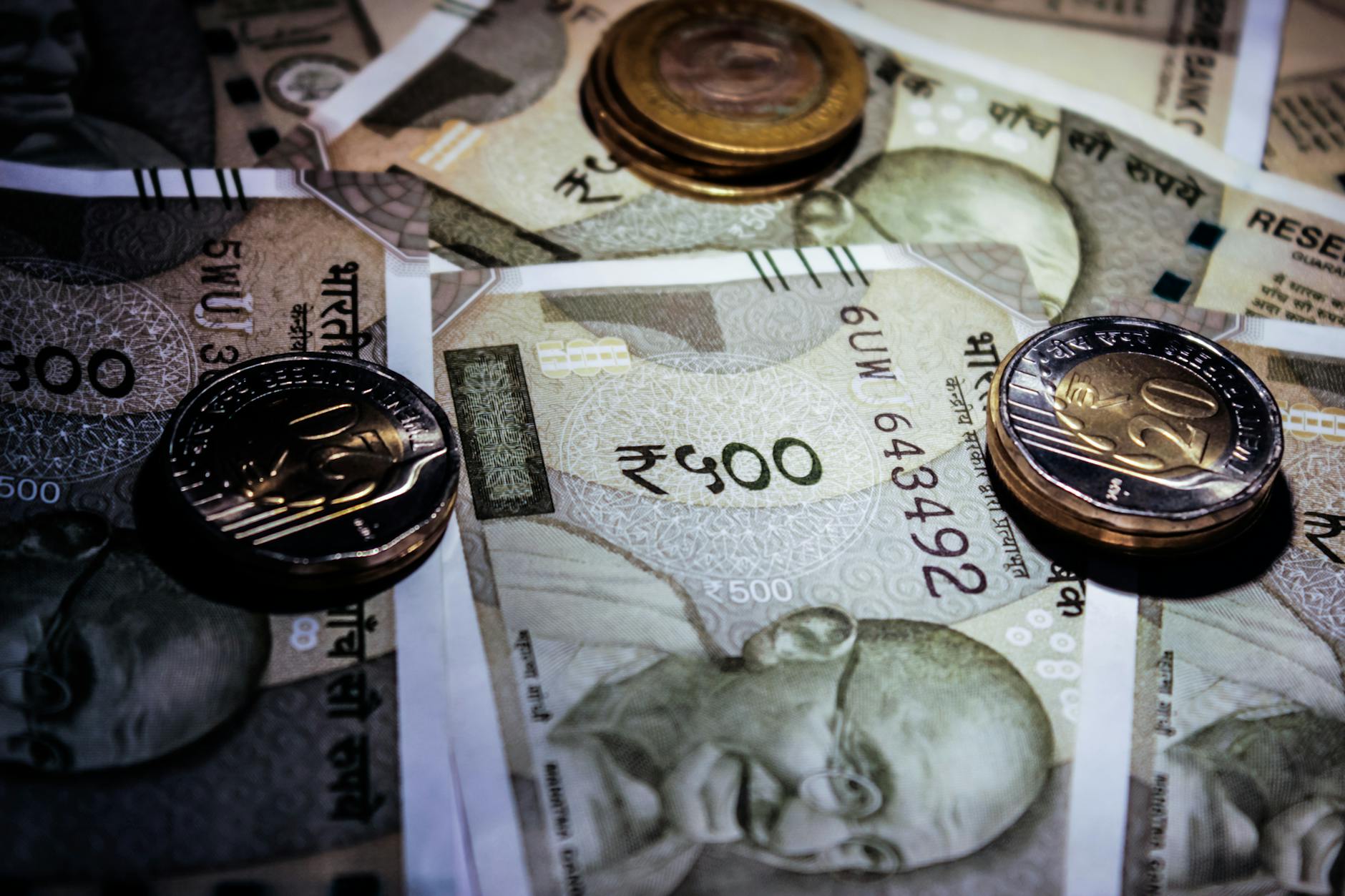
Growth Narrative Under Pressure
India's economic story has shifted sharply. The country's "Goldilocks" phase—characterised by steady 6-7% growth without inflation spikes—has given way to a more precarious situation. Policymakers now face mounting structural challenges with diminishing room to manoeuvre.
The consensus around India as the world's fastest-growing major economy is being tested. What looked like sustainable momentum just months ago now appears fragile.
When Things Looked Perfect
The Goldilocks period saw India navigate post-pandemic recovery better than most economies. Growth remained healthy without triggering inflation concerns or ballooning deficits. The RBI had flexibility on interest rates. Foreign capital flowed in steadily.
This phase gave policymakers confidence. Rate adjustments, fiscal measures and structural reforms appeared to work in harmony. There was little urgency for difficult decisions.
That comfort zone has vanished.
Warning Bells Ring Louder
Several red flags now demand attention. Inflation stubbornly stays above the RBI's 4% target, with core inflation proving sticky. This limits the central bank's ability to cut rates and support growth.
Government finances are tightening. Revenue growth hasn't matched spending increases. With debt metrics under pressure, fiscal flexibility is shrinking fast.
The current account faces headwinds. A weakening rupee and rising import bills—especially for oil and gold—strain foreign exchange reserves and external stability.
Rural India continues to struggle. Farm output remains weather-dependent. Real wages in agriculture have stagnated. This matters because rural areas still employ most of India's workforce.
Global conditions add complexity. Geopolitical tensions, uncertain interest rates in developed markets, and slowing worldwide growth threaten India's exports and foreign investment.
Growth Momentum Softens
GDP growth has moderated from the sharp post-pandemic bounce. While respectable by global standards, the deceleration is visible. Quarterly data shows a pattern of softening, with growth now in the 5-6% range.
Job creation tells a worrying story. Formal employment hasn't kept pace with expectations. Labour force survey data and employment exchange numbers suggest organised sector job growth lags behind workforce expansion. Youth unemployment remains elevated.
Manufacturing has disappointed despite policy emphasis. The sector hasn't absorbed workers at the needed scale. Services have compensated partially, but these jobs often come with lower wages and less security.
Policy Choices Get Harder
India now faces genuine trade-offs with no easy answers.
The RBI must choose between inflation control and growth support. Higher rates protect currency stability and anchor inflation expectations but risk slower expansion and corporate stress. Aggressive rate cuts could reignite inflation and weaken the rupee further.
The government must balance fiscal consolidation against growth needs. Spending cuts risk economic slowdown. Revenue expansion through taxation or better compliance faces political resistance and administrative challenges.
Managing external pressures requires careful calibration. Letting the rupee depreciate helps exporters but raises import costs. Defending it exhausts foreign exchange reserves. Import controls contradict liberalisation but might become necessary.
The Reform Agenda
Returning to sustainable growth requires structural action beyond monetary tinkering.
Labour market reforms must ease hiring and firing while protecting workers. This could unlock manufacturing investment and formalisation of the workforce.
Agricultural productivity needs urgent attention. Better irrigation, improved seed technology, and enhanced market access can raise rural incomes and reduce food import dependence.
Fiscal reforms should broaden the tax base and improve spending efficiency. A simpler tax code could boost compliance without raising rates.
Export competitiveness demands focus. India's unit labour costs have risen while competitors gain ground. Infrastructure investment in ports, railways and logistics is essential.
The window for reforms remains open but is narrowing. Acting now—while the economy can absorb adjustment costs—is far better than waiting for a crisis to force painful changes.
Based on reports from Google News — Indian Economy.
Impact analysis
BEARISHSlowing growth and persistent inflation create headwinds for cyclical stocks and rate-sensitive sectors. Defensive plays and quality exporters may outperform in this uncertain environment.
- →Banks face margin pressure if RBI keeps rates higher for longer while credit growth moderates
- →Consumer discretionary stocks vulnerable to rural distress and weakening wage growth
- →IT services and pharma exporters could benefit from rupee depreciation, offsetting global demand concerns
- →Infrastructure and capital goods sectors remain policy priorities but execution risks rise with fiscal constraints
What to watch next
Monitor upcoming quarterly GDP data and labour force survey results for confirmation of growth slowdown. Watch RBI's next monetary policy decision and commentary on inflation trajectory. Track monthly GST collections and fiscal deficit numbers for signs of revenue stress.
Frequently asked
What was India's Goldilocks phase?+
It was a period of steady 6-7% GDP growth without triggering high inflation or fiscal deficits, giving policymakers room to support the economy through rate cuts and spending. Foreign investors were confident and job creation appeared adequate in organised sectors.
Why is India's economy now compared to Cinderella?+
The metaphor suggests time is running out to address structural problems. Like Cinderella racing against midnight, India faces mounting pressures—sticky inflation, fiscal constraints, rural distress—with a narrowing window for policy action before more painful adjustments become necessary.
What are the biggest risks to India's growth now?+
Persistent inflation limiting RBI's ability to cut rates, government fiscal constraints reducing spending flexibility, weak rural demand, inadequate job creation, and global headwinds from geopolitical tensions and slowing worldwide growth. These factors combined threaten to push growth lower while reducing policy room to respond.
How should investors position portfolios in this environment?+
Focus on quality companies with pricing power and strong balance sheets. Exporters in IT and pharma may benefit from rupee weakness. Defensive sectors like healthcare and staples offer protection. Avoid highly leveraged cyclicals and consumer discretionary stocks vulnerable to rural weakness and job market concerns.
Based on reports from Google News — Indian Economy.
More in Economy
View all →
Impact of US-Iran War on India's Economy and Stability

India's Economic Stability at Risk Amid US-Iran Tensions
India Faces Economic Challenges Amid Ongoing US-Iran Conflict

Impact of US-Iran War on India's Economic Stability
India Faces Economic Crisis Amid US-Iran Tensions
