
India Drought Crisis: Food Inflation, RBI Rate Dilemma Threaten Growth
Extended dry spell could spike food prices, forcing RBI into growth-inflation trade-off
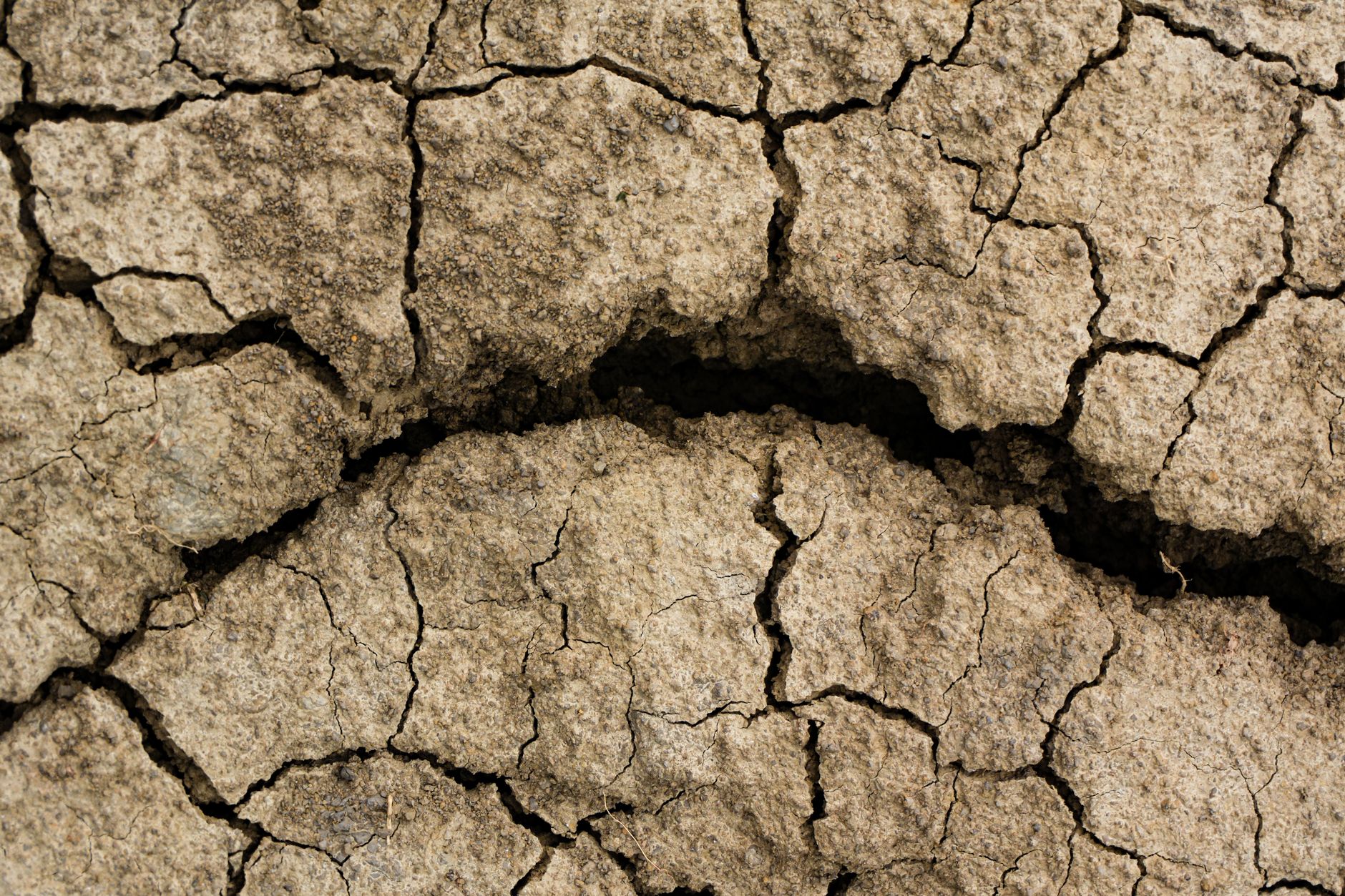
Drought Threat Looms Over India's Economy and Central Bank
India is staring at a challenging period as an extended hot and dry spell threatens to disrupt agricultural output and complicate policy decisions at the Reserve Bank of India. The combination of scorching temperatures and below-normal rainfall poses a dual risk: supply-side inflation shocks and rural income stress that could derail consumption growth.
Farm Sector Under Stress, Food Prices at Risk
Agriculture employs over 40% of India's workforce and contributes approximately 18% to GDP. A prolonged drought would hit rain-dependent crops hardest—pulses, oilseeds, and cotton are particularly vulnerable. Reduced crop yields typically translate into higher food prices, which make up a significant chunk of India's consumer price index.
This creates a headache for the RBI. Food inflation is a supply-side problem that monetary policy cannot directly fix. Raising interest rates won't make it rain or boost harvests. Yet if food prices spike, headline inflation will rise, potentially forcing the central bank's hand even as economic growth weakens.
RBI's Uncomfortable Trade-Off
The central bank faces a policy bind. If drought pushes CPI inflation higher, the RBI may have to keep rates elevated or delay expected cuts, even if growth momentum slows. This would squeeze borrowers and businesses at a time when the real economy needs support.
On the flip side, cutting rates to support growth while food inflation surges could unanchor inflation expectations. Workers demand higher wages, businesses raise prices, and inflation becomes embedded in the economy. The RBI's credibility would take a hit.
The central bank's communication will be critical. If the RBI can convince markets that drought-driven inflation is temporary and supply-driven, it may retain flexibility to support growth. But if the dry spell drags on and agricultural losses mount, investor confidence could erode, weakening the rupee and importing further inflation through costlier imports.
Rural Demand at Risk, Hitting Consumer Stocks
Rural India has been a pillar of recent consumption growth, driven by better farm incomes. A severe drought would reverse this. Farmers facing crop failures cut back sharply on discretionary spending—new vehicles, appliances, branded goods all take a back seat.
This would hurt companies banking on rural demand. Automobile manufacturers, consumer durables makers, and FMCG firms with heavy rural distribution would see volumes decline. Tractor sales, a key indicator of rural health, would likely soften. Two-wheeler demand, already under pressure, could weaken further.
Fiscal Pressure and Import Bill Concerns
Drought typically triggers demands for government relief—loan waivers, subsidies, irrigation support. These measures strain the fiscal deficit at a time when revenue growth may already be slowing due to weaker economic momentum. Higher fiscal spending with lower revenues squeezes the government's ability to invest in infrastructure or support other priorities.
Poor harvests also force India to import more food items like pulses and edible oils, widening the current account deficit. A wider current account deficit, combined with any global risk-off sentiment, could pressure the rupee. A weaker currency makes imported inputs costlier for manufacturers, adding another layer of inflation.
Banking Sector Faces Asset Quality Worries
Banks with significant rural and agricultural lending exposure could see asset quality deteriorate. Farmers unable to service loans due to crop losses would push up non-performing assets in the rural portfolio. While crop insurance and government relief may cushion some of this impact, the stress would still show up in bank balance sheets, particularly for public sector banks and smaller regional lenders.
What Lies Ahead
The RBI and government need a coordinated response. The central bank should signal that it recognizes weather shocks as temporary and won't overreact with aggressive rate hikes that choke growth. The government should deploy targeted relief—irrigation support, seed distribution, crop insurance payouts—rather than broad subsidies that fuel inflation further.
Longer-term, India needs to invest in climate-resilient agriculture, better water management, and robust crop insurance. But in the near term, precision and restraint from policymakers will determine whether a weather shock remains contained or spirals into deeper economic trouble.
The coming months will test the resilience of India's economy and the credibility of its institutions. Agriculture still touches hundreds of millions of lives. Food price spikes, rural income losses, and currency pressures will all complicate the RBI's task of balancing inflation control with growth support.
Based on reports from Google News — Indian Economy.
Impact analysis
BEARISHDrought threatens food inflation and rural demand, pressuring consumer stocks, banks with agri exposure, and the rupee. RBI may delay rate cuts, keeping borrowing costs elevated and limiting equity market upside.
- →FMCG, auto, and consumer durables stocks face rural demand slowdown if farm incomes fall
- →Public sector banks and rural-focused lenders risk higher NPAs from agricultural loan stress
- →Rupee could weaken if current account deficit widens due to higher food imports, raising inflation further
- →RBI likely to maintain hawkish stance, delaying rate cuts and keeping bond yields elevated
What to watch next
Monitor monsoon forecast updates from IMD, monthly CPI inflation prints (especially food component), RBI's Monetary Policy Committee commentary, and Q1 rural consumption indicators like tractor sales and two-wheeler volumes. Any government announcements on agricultural relief or loan waivers will also be critical.
Frequently asked
How does drought affect inflation in India?+
Drought reduces crop yields, leading to lower supply of food items. This pushes up food prices, which form a large part of India's CPI. Higher food inflation drives headline inflation upward, complicating RBI's rate-cut plans even if growth is weak.
Which stocks are most at risk from a drought?+
FMCG companies (Hindustan Unilever, ITC, Nestlé), auto firms (Maruti, Bajaj Auto, Hero MotoCorp), consumer durables, and banks with high rural lending exposure (SBI, PNB, Bank of Baroda) are most vulnerable. These sectors depend heavily on rural incomes and demand.
Will the RBI cut rates if there's a drought?+
Unlikely in the near term. If drought pushes food inflation higher, the RBI will likely hold rates steady or stay hawkish to prevent inflation expectations from rising, even if economic growth slows. The central bank prioritizes inflation control over short-term growth support.
How can investors protect their portfolios?+
Consider reducing exposure to rural-dependent consumption stocks and banks with high agricultural loan books. Defensive plays like pharma, IT (less affected by domestic rural demand), or gold can provide downside protection. Stay liquid and wait for clearer monsoon data before adding cyclical exposure.
Based on reports from Google News — Indian Economy.
More in Economy
View all →
Impact of US-Iran War on India's Economy and Stability

India's Economic Stability at Risk Amid US-Iran Tensions
India Faces Economic Challenges Amid Ongoing US-Iran Conflict

Impact of US-Iran War on India's Economic Stability
India Faces Economic Crisis Amid US-Iran Tensions
