
India Drops to 6th-Largest Economy as Japan, UK Surge Ahead
India's rank as the world's fifth-largest economy has slipped to sixth, with Japan and the UK overtaking the nation. The shift reflects currency movements and divergent growth trajectories among major economies.
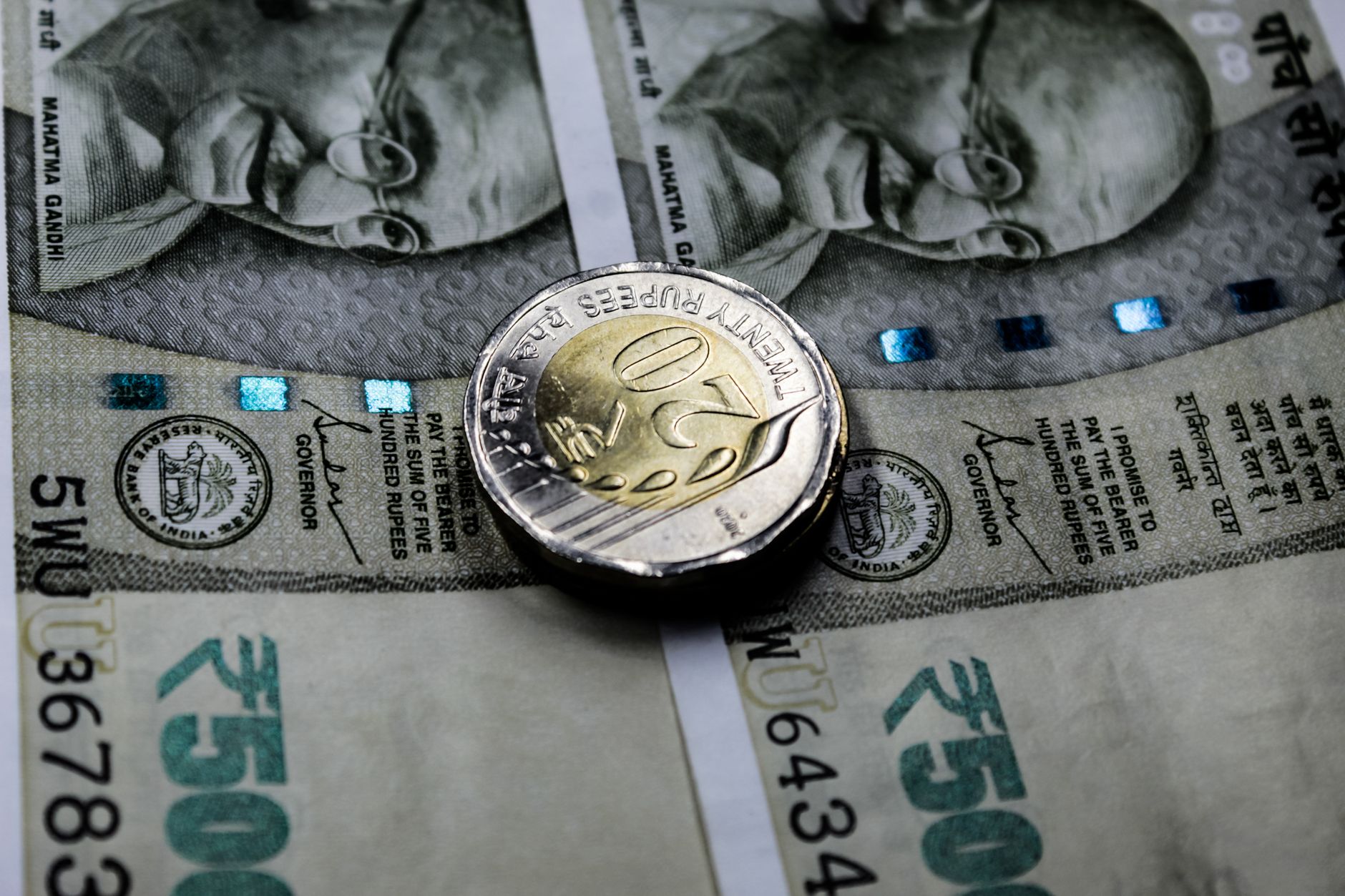
India Loses Top-5 Spot in Global Economic Rankings
India's position as a top-five global economy has eroded, with the nation now ranking sixth worldwide as Japan and the United Kingdom leapfrog ahead. The shift underscores the fluid nature of international economic rankings, driven by currency fluctuations, growth differentials, and macroeconomic headwinds affecting emerging markets.
The demotion marks a significant moment for India's economic narrative. While the country continues to grow faster than most developed economies in percentage terms, nominal GDP measurements—the metric used in most global rankings—tell a different story shaped by rupee depreciation and slowing growth momentum.
What Caused India to Fall Behind?
Currency Depreciation and Nominal GDP Impact
The Indian rupee's weakness against the US dollar has been a primary driver of the ranking shift. When GDP is measured in US dollar terms—the standard for global comparisons—a depreciating currency automatically reduces a nation's nominal size. The rupee has faced sustained pressure from capital outflows, elevated oil prices, and interest rate differentials favoring dollar assets.
Nominal GDP, which values economic output at current market prices and exchange rates, differs from real GDP growth rates. While India's real GDP growth remains robust by global standards, nominal measurements are more volatile and sensitive to forex movements.
Japan's Recovery and UK Resilience
Japan, the world's third-largest economy, has benefited from yen weakness easing monetary policy constraints and boosting export competitiveness. Simultaneously, the yen has strengthened against emerging market currencies, enhancing Japan's nominal GDP when measured internationally.
The United Kingdom, despite Brexit-related uncertainties and domestic economic challenges, has maintained its pound sterling relative strength. Sterling's stability against the rupee—and modest strength against the dollar at key junctures—has supported the UK's ranking position.
India's Growth Story Remains Strong in Real Terms
While the ranking decline has grabbed headlines, India's underlying economic fundamentals deserve scrutiny. Real GDP growth—adjusted for inflation and the true measure of an economy's expansion—continues to outpace most developed nations. India is projected to remain among the world's fastest-growing major economies.
The country's demographic dividend, expanding consumer base, rising middle class, and structural reforms under the Goods and Services Tax (GST) framework position India for sustained expansion. Manufacturing initiatives, digital infrastructure investments, and foreign direct investment inflows continue to support long-term growth prospects.
However, near-term headwinds persist. Global economic slowdown, elevated inflation, tighter monetary policy, and slowing domestic investment growth have moderated India's expansion rate from the robust 8% plus levels seen in recent years.
Global Economic Rankings in Flux
The Ranking Methodology Question
International organisations typically rank economies by nominal GDP in US dollars, a metric that fluctuates with exchange rates and current prices. The International Monetary Fund (IMF), World Bank, and other institutions rely on this approach, which can produce volatile year-to-year changes.
An alternative measure—Purchasing Power Parity (PPP) adjusted GDP—accounts for differences in living costs and price levels. By this standard, India ranks higher, reflecting the actual purchasing power and economic productivity within the country. PPP-adjusted rankings often tell a different story than nominal measures.
Broader Implications for India's Economic Trajectory
The drop to sixth position does not diminish India's importance as a growth engine for global economics. As a ₹200+ lakh crore economy (in nominal rupee terms), India remains a critical market for multinational corporations, a major driver of world GDP growth, and a demographically advantaged nation entering its prime working-age years.
The ranking shift, however, signals that currency stability and maintaining double-digit nominal growth will be essential for India to reclaim and retain a top-five position. Policymakers will likely scrutinise the rupee's weakness, inflationary pressures, and the need to sustain robust investment to support nominal expansion.
Economists point to three key priorities: stabilizing the external sector, maintaining fiscal discipline, and ensuring sustained productivity growth through structural reforms. Without these, India risks languishing outside the top five for the foreseeable future, despite its strong real growth credentials.
Looking Ahead: Reclaiming the Ranking
Whether India's demotion proves temporary or prolonged depends on several factors. A sustained rupee recovery, accelerated real GDP growth, and moderation in global uncertainty could restore India's fifth-place status. Conversely, persistent external pressures and slower growth would cement sixth position or potentially invite further slides.
The ranking volatility also highlights why nominal GDP league tables, while attention-grabbing, tell an incomplete story. India's economic influence, growth trajectory, and future potential remain significant regardless of whether it ranks fifth or sixth in dollar-denominated metrics. The real measure of progress lies in improving living standards, job creation, and inclusive development for India's 1.4 billion people.
Frequently asked
Why did India drop from 5th to 6th largest economy?+
India's ranking fell primarily due to rupee depreciation against the US dollar and slower nominal GDP growth. Since global rankings use US dollar-denominated figures, a weaker rupee automatically reduces India's nominal size. Japan and the UK benefited from relative currency strength and stable economic performance.
Does this ranking reflect India's true economic strength?+
Not entirely. Nominal GDP rankings are sensitive to exchange rates and current prices. India's real GDP growth—adjusted for inflation—remains among the world's fastest. On a Purchasing Power Parity (PPP) basis, India ranks higher, reflecting actual purchasing power and productivity within the economy.
Can India regain its 5th position?+
Yes, if the rupee stabilizes, nominal GDP growth accelerates, and global uncertainties ease. Policymakers must focus on stabilizing the external sector, maintaining fiscal discipline, and driving structural reforms to sustain double-digit nominal growth and reclaim a top-five ranking.
How does PPP-adjusted GDP differ from nominal GDP ranking?+
Nominal GDP measures output at current market prices and exchange rates, making it volatile with forex movements. PPP-adjusted GDP accounts for differences in living costs and purchasing power, often showing emerging markets like India in a stronger position relative to developed economies.
What are the key factors affecting India's economic growth now?+
Global economic slowdown, elevated inflation, tighter monetary policy, and slowing domestic investment have moderated growth. However, India's demographic dividend, expanding consumer base, GST reforms, and manufacturing initiatives continue to support long-term expansion prospects.
Based on reports from Google News — Indian Economy.
More in Economy
View all →
Impact of US-Iran War on India's Economy and Stability

India's Economic Stability at Risk Amid US-Iran Tensions
India Faces Economic Challenges Amid Ongoing US-Iran Conflict

Impact of US-Iran War on India's Economic Stability
India Faces Economic Crisis Amid US-Iran Tensions
