India's Concert Industry Shifts to Premium Packages, Margins Rise 3-10x
Premium concert experiences now drive 12-25% of ticket sales as organisers chase profitability over volume.
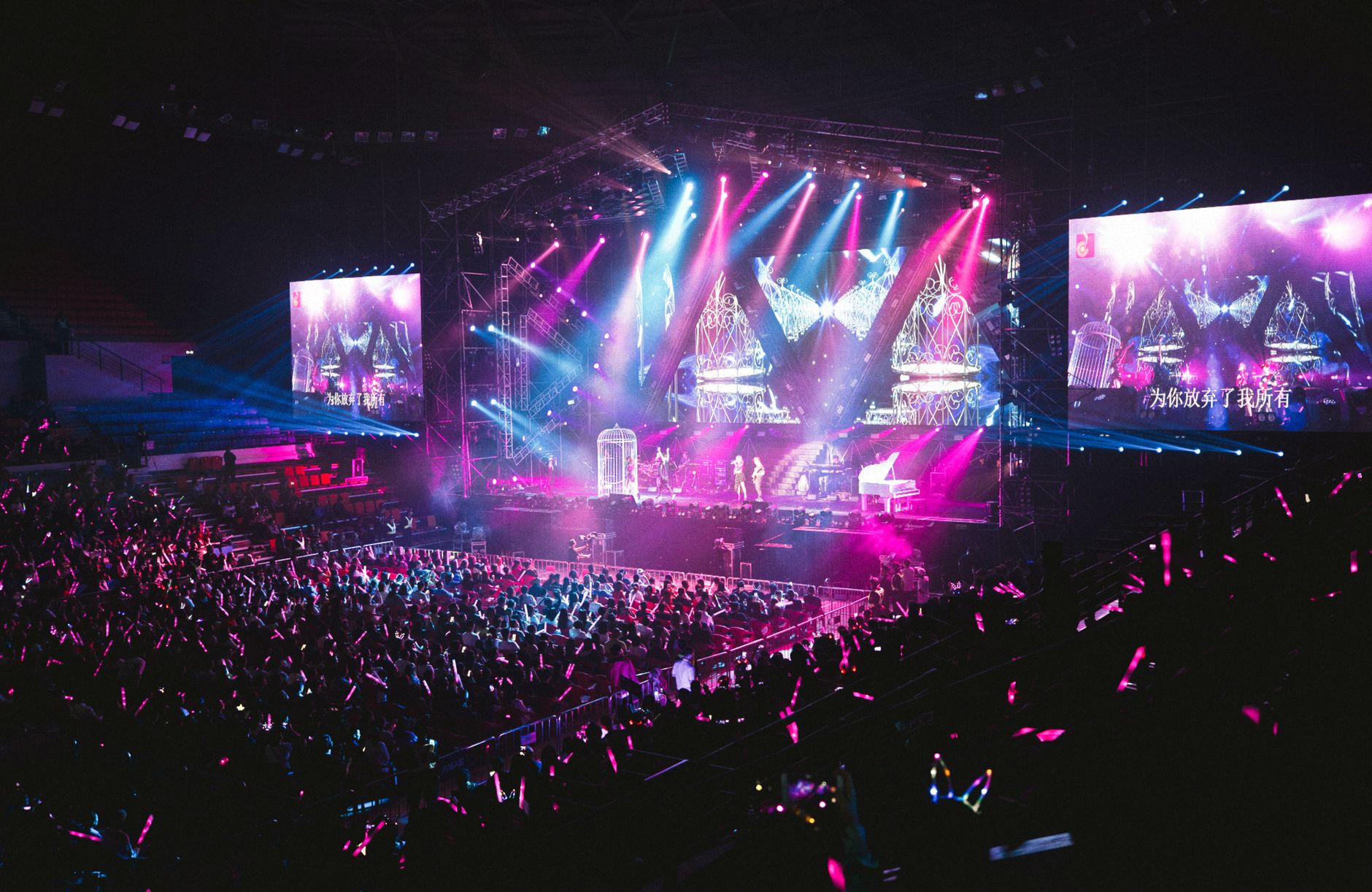
Premium Experiences Replace Volume-Driven Ticket Sales
India's live music industry is pivoting sharply toward premium, high-margin concert experiences as organisers struggle to balance rising artist fees with constrained venue capacity. Traditional mass-market ticketing models are giving way to multi-tiered packages that bundle VIP seating, hospitality lounges, exclusive merchandise, and artist meet-and-greets. These premium offerings command prices 3 to 10 times higher than base tickets, fundamentally altering the revenue model for concerts across metros and Tier-2 cities.
The shift is driven by stark economics. Artist fees for international and top-tier Indian performers now consume 40 to 60 per cent of gross concert revenue. With outdoor venues facing infrastructure and regulatory caps on attendance, promoters cannot scale through volume alone. Premium tier conversion has become the critical profitability lever. A 5,000-attendee concert where 20 per cent buy premium packages at 4 to 5 times the base price generates substantially higher margins than a full-capacity event selling only standard tickets.
What Premium Packages Deliver
Premium concert experiences in India now operate across three distinct tiers. Entry-level VIP packages include reserved seating, express entry lanes, and complimentary beverages. Mid-tier offerings add climate-controlled lounges with gourmet catering, dedicated hospitality staff, and exclusive merchandise. Top-tier packages feature private artist meet-and-greets, backstage access, priority parking, and bespoke dinner experiences.
Major venues in Mumbai, Delhi, Bangalore, and Hyderabad have built dedicated premium lounges with high-speed WiFi, phone-charging stations, and luxury brand partnerships to enhance exclusivity. Some promoters bundle concert packages with hotel stays or transportation services, creating all-inclusive destination experiences. Limited-edition merchandise and festival-exclusive apparel drive impulse purchases, extending per-capita spending well beyond the ticket price.
Premium Adoption Spreads Beyond Metros
Premium concert models are expanding rapidly beyond Tier-1 cities. Bangalore, Pune, and Hyderabad have seen accelerated adoption over the past 18 months. Music festivals and concert circuits in Rajasthan, Goa, and Tamil Nadu are launching with premium experiences built into their core architecture rather than as add-ons. This regionalisation democratises access to premium live entertainment for affluent consumers outside metros while building brand loyalty in high-growth cities.
Promoters are experimenting with destination-concert packages that combine performances with weekend resort stays or culinary experiences, particularly for acts attracting leisure travellers and older demographics. The model reduces financial risk: if standard tickets underperform, premium conversion can cushion margins. Consumers purchasing all-inclusive experiences at ₹12,000 to ₹20,000 perceive better value than those paying ₹3,000 to ₹5,000 for base tickets, because bundled elements create perceived justification for the spend.
Execution Challenges Remain
Not all premium initiatives have succeeded. Poorly executed packages—overcrowded lounges, inadequate catering, cancelled meet-and-greets—generate significant social media backlash and damage promoter reputations. Transparency about package inclusions has become essential. Several consumer complaints centre on hidden charges or over-sold VIP allotments. Premium experiences must deliver genuinely differentiated value, not merely segregated seating. A lounge that feels like a packed standing area defeats the purpose.
Price sensitivity remains a factor for concerts targeting younger audiences or price-conscious markets. Industry insiders report that premium tier attach rates—the percentage of attendees purchasing upgraded packages—now range from 12 to 25 per cent at major metro events, up from single digits three years ago. Average revenue per attendee has grown correspondingly, improving concert profitability even as artist fees climb.
Technology and Partnerships Drive Next Phase
As India's live entertainment market matures, premium experiences will likely become the industry standard. Technology adoption—mobile apps for seamless entry, dynamic pricing for tiered packages, real-time demand-based upselling—will further refine offerings. Collaborations between concert promoters and lifestyle brands, fintech companies, and hospitality chains will create new bundling opportunities.
The shift signals a broader transformation: India's concert industry is moving from a subsistence model based on volume to a sustainable, margin-accretive business that can invest in artist development, venue infrastructure, and consumer experience innovation. For attendees, this means higher costs but, when executed well, richer and more memorable experiences. The premium concert economy represents a structural change in how live entertainment monetises India's growing affluent consumer base.
Based on reports from Google News — Finance India.
Impact analysis
BULLISHThe premium concert economy signals growing discretionary spending power among India's affluent consumers, benefiting hospitality, luxury, and entertainment-focused stocks. Event management companies and venue operators stand to improve margins, while technology platforms enabling ticketing and dynamic pricing could see expanded use cases.
- →Premium concert packages at 3-10x base ticket prices improve promoter margins as artist fees consume 40-60% of gross revenue
- →Premium tier attach rates have grown from single digits to 12-25% at major metro events over three years, boosting average revenue per attendee
- →Regionalisation into Bangalore, Pune, Hyderabad, and destination markets expands addressable market for hospitality and luxury brand partnerships
- →Technology adoption in dynamic pricing, mobile entry, and real-time upselling creates opportunities for fintech and software providers
What to watch next
Monitor premium tier conversion rates and average revenue per attendee data from major concert promoters and venue operators in upcoming quarterly results. Watch for new partnerships between event management companies and hospitality or fintech brands, and track expansion of premium concert formats into additional Tier-2 and Tier-3 cities.
Frequently asked
Which Indian companies benefit from the premium concert trend?+
PVR Inox benefits as a venue operator and entertainment platform provider. Zomato's events and going-out business could capture premium concert bookings and experiences. Paytm and other fintech players stand to gain from ticketing, dynamic pricing, and payments integration for premium packages.
Why are premium concert packages more profitable than regular tickets?+
Artist fees consume 40 to 60 per cent of concert revenue, and venue capacity is limited. Premium packages at 3 to 10 times the base price generate much higher margins per attendee. A concert where 20 per cent buy premium packages can earn more profit than selling out with only standard tickets, while also reducing financial risk if standard sales underperform.
Is the premium concert trend sustainable in India?+
Early data suggests yes. Premium attach rates have grown from single digits to 12-25 per cent in three years at major metro events, and the model is expanding into Tier-2 cities. This reflects growing affluent consumer spending and willingness to pay for differentiated experiences. Poor execution remains a risk, but technology and hospitality partnerships are improving delivery quality.
Based on reports from Google News — Finance India.
More in Markets
View all →
EPFO 3.0 Proposal to Include Gig Workers in Pension Scheme

EPFO 3.0 Proposal to Include Gig Workers in Pension Scheme

EPFO 3.0 Proposal Aims to Include Gig Workers in Pension Scheme
EPFO 3.0 Proposal to Include Gig Workers in Pension Scheme

EPFO 3.0 Proposal Aims to Include Gig Workers in Pension Scheme