
India's Concert Economy Set to Cross ₹15,000 Crore Milestone
Live entertainment boom reshapes consumer spending as urban India prioritises experiential events over traditional leisure
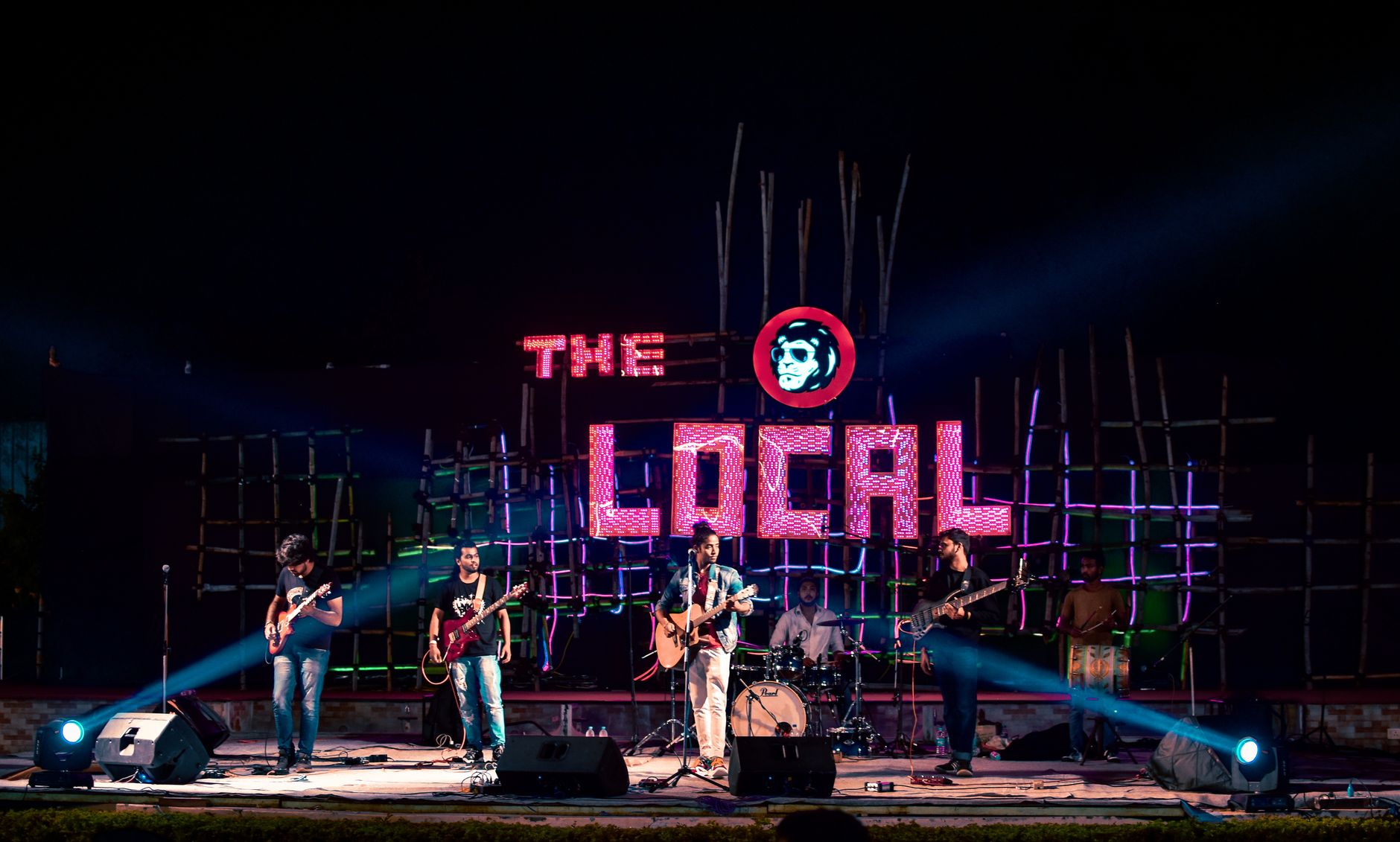
India's Concert Economy Reaches New Peak
India's concert and live events market is poised to cross the ₹15,000 crore mark, signalling a fundamental transformation in how Indians spend their leisure budgets. The shift from traditional entertainment to immersive, experience-driven events reflects deeper changes in consumer behaviour, particularly among young urban professionals with rising disposable incomes.
This milestone represents more than just ticket sales. The ₹15,000 crore figure encompasses merchandise, hospitality services, food and beverage, and a wide range of ancillary businesses. Each concert creates a ripple effect across local economies—employment for event managers, sound engineers, security personnel, caterers, and transportation providers.
Major metropolitan centres like Delhi, Mumbai, Bangalore, and Hyderabad have emerged as concert hubs. Venues regularly sell out for both Indian and international artists, with ticket prices commanding premium rates that were unthinkable a decade ago.
What's Driving the Live Events Boom
Young Indians Choose Experiences Over Things
The 18-35 age demographic is reshaping entertainment economics. These consumers prioritise experiences over material purchases, viewing concert attendance as both entertainment and a lifestyle statement. Events like NH7 Weekender, Sunburn Festival, and international artist tours consistently draw massive crowds willing to pay premium prices.
This demographic shift is supported by rising disposable incomes and increased urbanisation. As more Indians join the middle class, spending on discretionary entertainment—particularly live events—has accelerated beyond traditional growth patterns.
Artist Ecosystem Matures
India's homegrown music industry has evolved considerably. Independent artists, regional musicians, and established Bollywood performers are all capitalising on concert culture. Music streaming platforms and social media have created dedicated fan bases, making it economically viable to organise concerts across Tier 2 and Tier 3 cities, not just metros.
This decentralisation is crucial. Previously, concerts were limited to major cities with established venues. Now, regional artists can fill stadiums in secondary cities, tapping into local cultural preferences and creating new revenue streams.
Infrastructure Investment Accelerates
Private promoters and hospitality chains recognise the lucrative nature of live events. Investment in purpose-built concert venues, amphitheatres, and event spaces has expanded significantly. Better-equipped venues with improved acoustics and guest facilities are enabling the industry to scale beyond traditional concert hotspots.
This infrastructure development addresses a critical bottleneck. Without proper venues, even popular artists cannot capitalise on demand. The current wave of venue construction is laying groundwork for sustained industry expansion.
Economic Multiplier Effects
Industry estimates suggest the concert economy has grown at a compound annual rate exceeding traditional entertainment sectors. Pre-pandemic, the sector was already expanding; post-pandemic recovery has been robust, with pent-up demand driving both attendance and pricing power.
Every concert generates employment across multiple sectors. Sound engineering firms, lighting companies, security agencies, and catering services all benefit. The multiplier effect extends to local businesses, with restaurants, hotels, and transportation providers seeing demand spikes around major events.
International artists touring India have become commonplace, bringing premium-priced tickets and attracting high-spending audiences. Domestic artists are also commanding better rates as they build larger, more engaged fan bases through digital platforms. This dual ecosystem—international and domestic—creates year-round activity and revenue generation.
Challenges Remain
Despite rapid growth, the concert economy faces structural challenges. Regulatory compliance across multiple states remains inconsistent. Varying noise regulations, licensing requirements, and tax structures create operational friction for event organisers who must navigate complex permissions for venues, soundchecks, and outdoor events.
Safety and security at large gatherings require significant investment. Recent incidents at high-profile events have brought scrutiny on crowd management protocols. Professional event management standards and insurance requirements add to operational costs, though they improve overall safety and experience quality.
Ticketing transparency and fraud prevention remain ongoing concerns. Secondary market manipulation sometimes creates negative consumer sentiment, though digital ticketing platforms are increasingly implementing measures to combat counterfeit tickets and unauthorised resales.
Future Trajectory Points Upward
Industry analysts project continued expansion beyond ₹15,000 crore as several tailwinds converge. Increasing middle-class purchasing power, improved event infrastructure, and growing artist supply will sustain growth. Corporate sponsorships and brand partnerships are also elevating event quality and scale, bringing professional marketing and production standards to the industry.
Tier 2 and Tier 3 cities present significant untapped potential. As urbanisation spreads and internet penetration deepens, demand for live entertainment is extending beyond metros. Regional music festivals and concerts in secondary cities are gaining traction, effectively decentralising the live events economy and creating new growth pockets.
Technology integration could unlock new revenue streams. Virtual concert experiences, blockchain-based ticketing, and hybrid events combining in-person and digital audiences are becoming standard, especially for high-profile performances. These innovations expand reach beyond physical venue constraints.
The concert economy's growth signals broader shifts in how Indians define entertainment value. Experiential spending—concerts, festivals, immersive events—is becoming a status symbol and lifestyle marker, especially among younger consumers. This cultural shift suggests the upward trajectory will continue for years to come, potentially making India one of the fastest-growing live entertainment markets globally.
Based on reports from Google News — Indian Economy.
Impact analysis
BULLISHThe ₹15,000 crore concert economy creates investment opportunities across hospitality, real estate, event management, and technology sectors. Companies with exposure to urban consumer discretionary spending and entertainment infrastructure stand to benefit from this structural shift in leisure consumption patterns.
- →Hospitality chains with venue partnerships and hotel properties near concert hubs will see incremental revenue from event-driven occupancy spikes
- →Event management companies, ticketing platforms, and digital marketing firms gain from structural growth in live entertainment spending
- →Real estate developers investing in purpose-built entertainment venues and mixed-use spaces near urban centres capture long-term value from infrastructure demand
- →Technology companies providing streaming, hybrid event solutions, and blockchain ticketing platforms tap into innovation-driven revenue streams
What to watch next
Monitor upcoming concert announcements and ticket sales velocity in Tier 2 cities to gauge market expansion beyond metros. Corporate earnings from hospitality chains and multiplex operators will reveal revenue contribution from live events and experiential entertainment segments in coming quarters.
Frequently asked
Which companies benefit from India's growing concert economy?+
Hospitality chains like Indian Hotels and Lemon Tree benefit from event-driven hotel bookings. Multiplex operators like PVR Inox are expanding into live events. Food delivery and restaurant chains near concert venues see demand spikes. Event management companies and ticketing platforms also gain directly from industry growth.
Why is the concert economy growing so fast in India?+
Rising disposable incomes, urbanisation, and a young demographic (18-35 age group) are driving the shift. Young Indians increasingly prefer spending on experiences like concerts rather than material goods. Improved infrastructure, music streaming platforms creating fan bases, and pent-up demand after the pandemic have accelerated growth significantly.
Is this growth sustainable or just a post-pandemic trend?+
The growth appears sustainable due to structural factors: expanding middle class, improving infrastructure, and cultural shift toward experiential spending. While post-pandemic pent-up demand provided a boost, demographic trends and rising incomes support long-term expansion. Tier 2 and Tier 3 cities offer untapped potential, indicating the industry is still in early growth stages.
Based on reports from Google News — Indian Economy.
More in Economy
View all →
Impact of US-Iran War on India's Economy and Stability

India's Economic Stability at Risk Amid US-Iran Tensions
India Faces Economic Challenges Amid Ongoing US-Iran Conflict

Impact of US-Iran War on India's Economic Stability
India Faces Economic Crisis Amid US-Iran Tensions
