
India's Live Events Industry to Cross ₹15,000 Crore Mark
Post-pandemic recovery drives robust growth in concerts, festivals, and experiential entertainment across India.
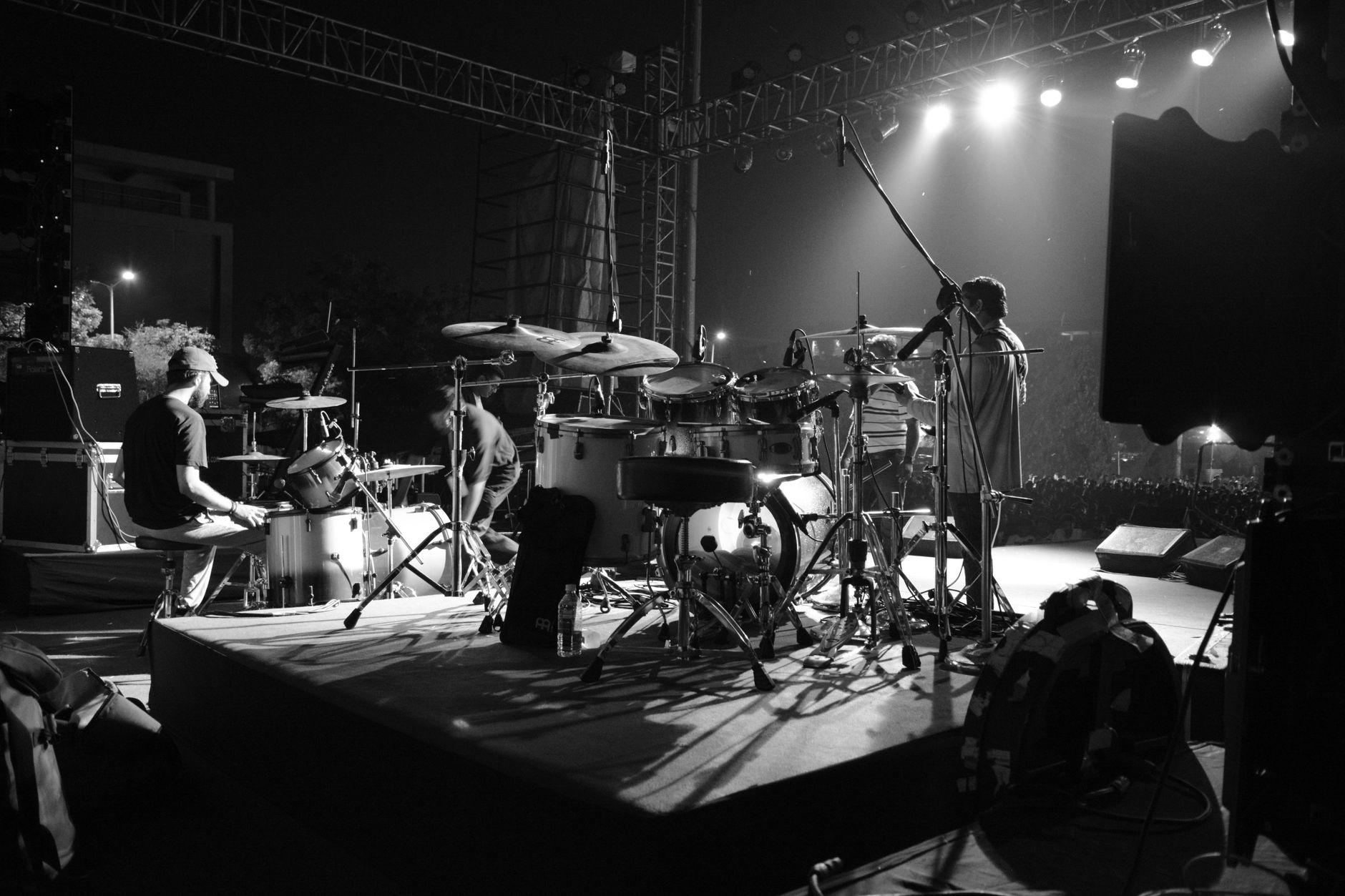
Concert Economy Hits Major Milestone
India's live events and concert economy is set to breach the ₹15,000 crore threshold, marking a significant recovery and expansion in the entertainment sector. This growth reflects changing consumer priorities as Indians increasingly allocate discretionary spending toward live experiences rather than physical goods.
The surge is driven by multiple factors. Pent-up demand from pandemic lockdowns continues to fuel ticket sales. Rising disposable incomes among urban and semi-urban populations have made premium entertainment accessible to a broader audience. Improved infrastructure in major cities now supports world-class productions that were previously impossible to stage in India.
Who's Fuelling This Growth
Young Indians aged 18-35 are the primary drivers. Metropolitan and tier-2 city residents view live concerts and music festivals as aspirational experiences worth sharing on social media. This demographic shift has transformed live events from occasional luxuries into mainstream entertainment choices.
The geographic spread is expanding rapidly. Cities like Pune, Ahmedabad, Lucknow, and Chandigarh now host regular events, no longer leaving the market to just Mumbai, Delhi, Bangalore, and Hyderabad. Event organisers are scheduling regional tours and localised festivals, tapping revenue streams that didn't exist five years ago.
Beyond Ticket Sales: The Multiplier Effect
The ₹15,000 crore figure understates the true economic impact. Ancillary industries benefit substantially when major events come to town. Hotels report occupancy spikes during festival weekends. Food and beverage vendors, local retail shops, and transportation services experience concentrated revenue bursts.
Employment generation is significant. The sector employs event managers, sound engineers, lighting technicians, security personnel, ticketing staff, and marketing professionals. Professional institutes now offer certifications in event management and live production, signalling industry maturation and career stability.
What's Changed Since the Pandemic
Live events suffered complete shutdowns during Covid-19 lockdowns. The recovery has exceeded pre-pandemic levels, with organisers reporting sold-out shows and rising average ticket prices. Health concerns have normalised, and audiences feel confident in crowded venues again.
Content diversity has expanded the addressable market. The sector now encompasses Bollywood-backed performances, stand-up comedy, theatre, corporate events, and niche festivals covering electronic music, folk, and indie rock. This variety ensures consistent ticket sales across seasons and demographics, reducing revenue volatility.
Infrastructure Investments Pay Off
Dedicated concert venues, open-air amphitheatres, and festival grounds have made India a viable destination for international artists. Major cities now possess facilities capable of handling large-scale productions with professional sound, lighting, and crowd management systems.
International artists increasingly include Indian dates in world tours. Domestic artists command premium ticket prices and attract institutional investment. This two-way flow of talent has elevated production standards and audience expectations, creating a positive feedback loop that sustains higher ticket pricing.
Challenges Remain Despite Growth
Regulatory hurdles persist. Noise ordinances, permit delays, and inconsistent local government policies vary across states and municipalities. Large-event planning requires navigating complex bureaucratic processes that differ by location.
Rising operational costs present another challenge. Artist fees, venue rentals, insurance, and logistics push ticket prices higher, potentially constraining demand among price-sensitive segments. Currency volatility affects costs when importing international artists and audio-visual equipment, adding financial uncertainty for organisers.
Investment Opportunities Emerge
The concert economy's expansion creates opportunities for multiple sectors. Hospitality chains benefit from increased occupancy during events. Transportation services experience demand spikes. Fintech platforms offering ticketing solutions are capturing market share.
Event technology providers offering white-label solutions for promoters represent another growth area. Startups focused on fan engagement, seamless digital ticketing, and data analytics are attracting venture capital. The sector's digital infrastructure is rapidly maturing.
Sustainability Will Define Future Growth
Industry analysts project sustained expansion, contingent on stable macroeconomic conditions and continued urban income growth. Scaling beyond ₹15,000 crore will require standardised regulatory frameworks across states, investment in mid-size venues in secondary cities, and nurturing domestic artist talent to reduce reliance on expensive international acts.
Technology integration for ticketing and fan engagement will separate winners from laggards. Sustainability practices to manage environmental and social impact are becoming non-negotiable as younger audiences demand responsible event organisation.
The journey to ₹15,000 crore reflects India's evolving consumer landscape. Indians increasingly value experiences, community, and memorable moments over material possessions. This structural shift in spending patterns positions the live events sector for multi-year growth, offering defensive yet growth-oriented opportunities for businesses and investors who prioritise quality experiences and operational excellence.
Based on reports from Google News — Indian Economy.
Impact analysis
BULLISHThe ₹15,000 crore live events milestone signals robust discretionary spending and creates investment opportunities in hospitality, ticketing platforms, and entertainment infrastructure. Ancillary sectors including transportation, F&B, and event technology stand to benefit from sustained growth in experiential consumption.
- →Hospitality chains and hotels benefit from increased occupancy during concerts and festivals in metro and tier-2 cities
- →Fintech and ticketing platforms capture growing transaction volumes as digital ticketing becomes standard
- →Event infrastructure providers and venue operators see rising demand for professional-grade facilities across expanding geographies
What to watch next
Monitor discretionary spending trends in upcoming quarterly consumer sentiment surveys and festive season ticket sales data. Watch for regulatory announcements on standardised event permits across states, which could accelerate sector expansion or create operational bottlenecks.
Frequently asked
Which companies benefit from India's growing concert economy?+
Hospitality chains like Lemon Tree and Indian Hotels benefit from increased occupancy during events. Ticketing platforms like Paytm Insider and BookMyShow capture transaction volumes. Multiplex operators like PVR and event venue owners also stand to gain from infrastructure demand.
Why are live events growing faster than other entertainment options?+
Post-pandemic pent-up demand, rising disposable incomes among urban youth, and a cultural shift toward valuing experiences over material goods are driving growth. Social media amplifies the aspirational value of attending concerts and festivals, making them mainstream entertainment choices for 18-35 year-olds.
What risks could slow down the concert economy's growth?+
Rising operational costs and higher ticket prices could limit demand from price-sensitive segments. Inconsistent regulatory policies across states create planning challenges for large events. Economic slowdowns affecting discretionary spending and currency volatility impacting international artist costs are also key risks to monitor.
Based on reports from Google News — Indian Economy.
More in Economy
View all →
Impact of US-Iran War on India's Economy and Stability

India's Economic Stability at Risk Amid US-Iran Tensions
India Faces Economic Challenges Amid Ongoing US-Iran Conflict

Impact of US-Iran War on India's Economic Stability
India Faces Economic Crisis Amid US-Iran Tensions
